


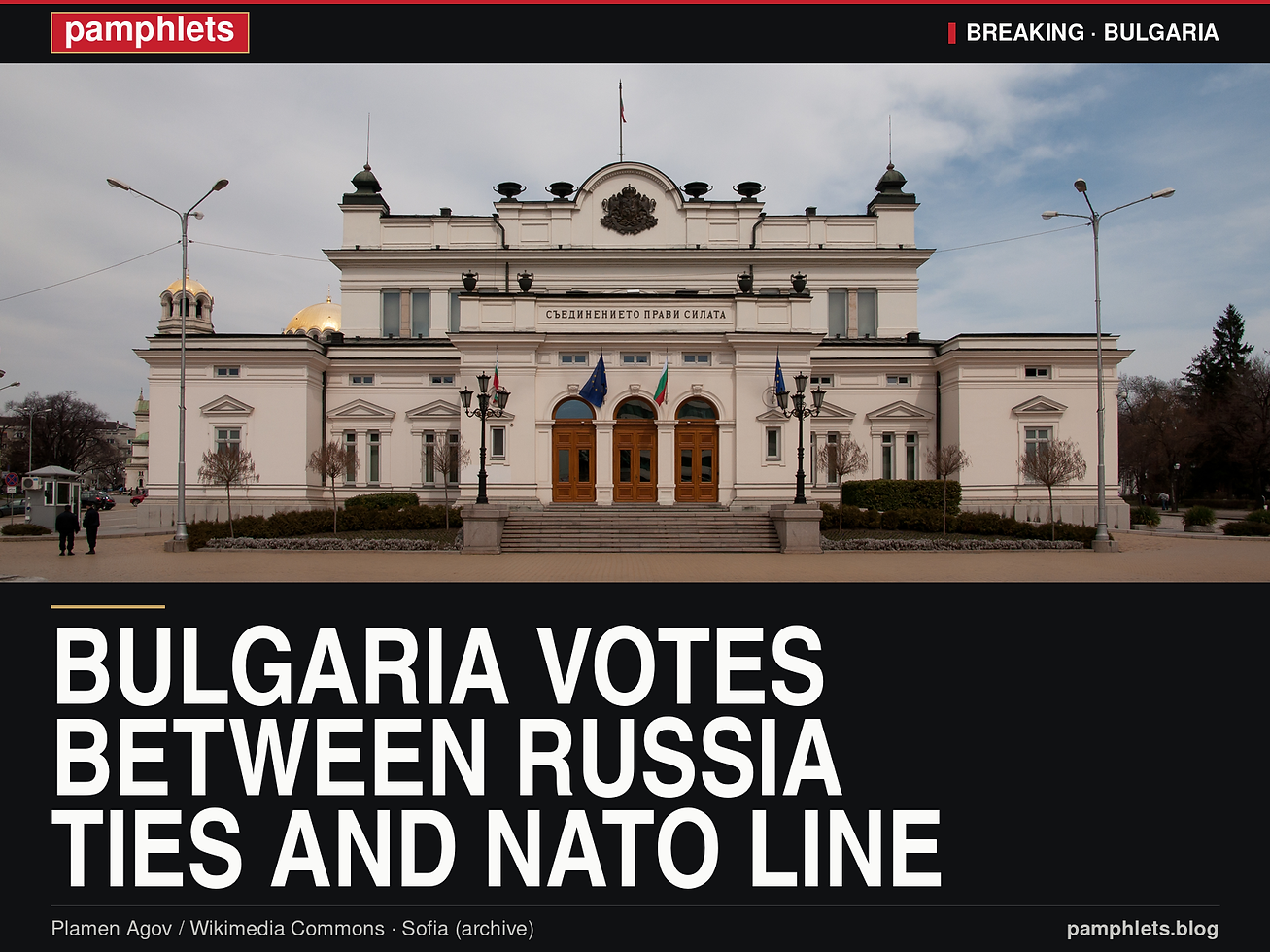
Bulgaria Votes in Presidential Runoff as Russia–West Split Hardens

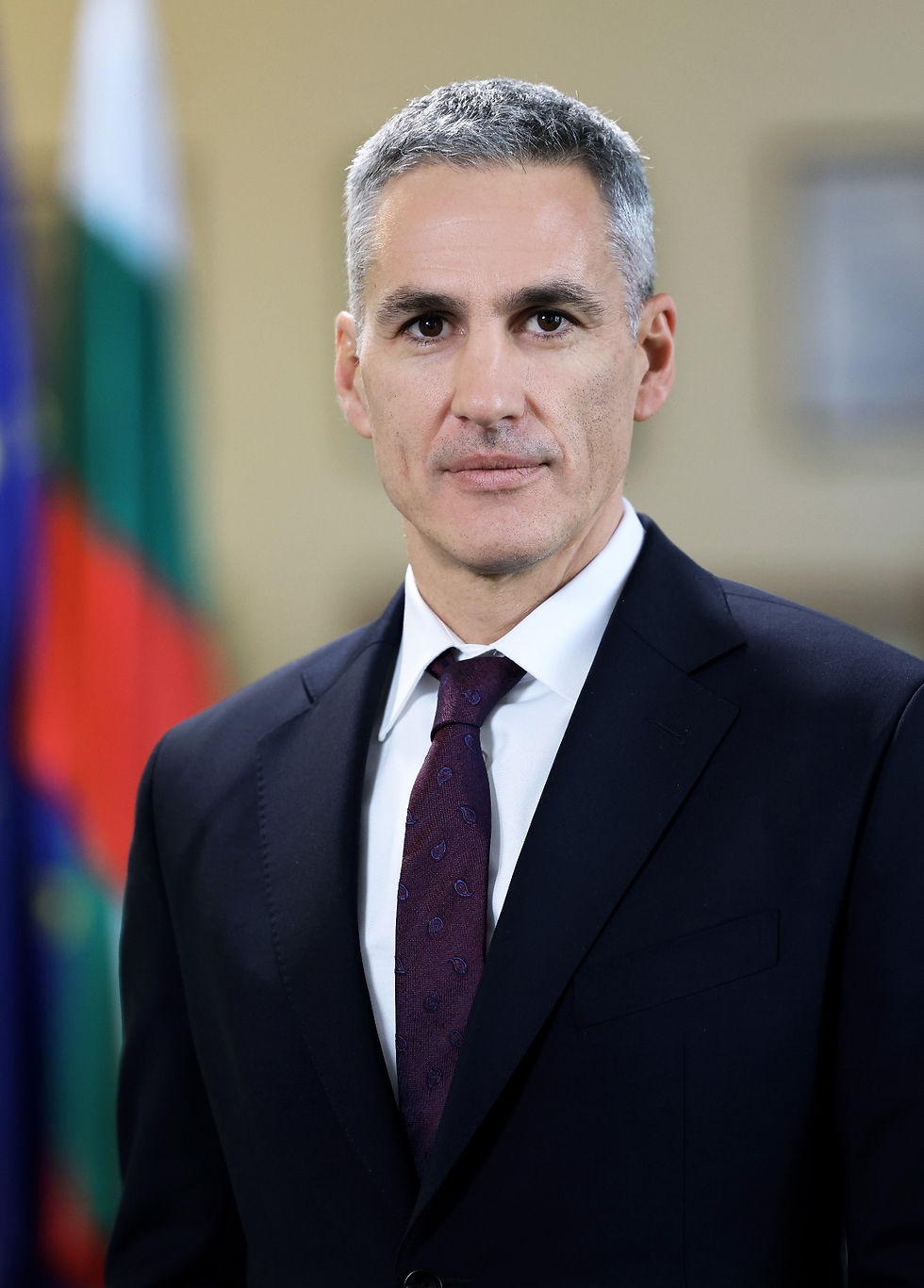
Bulgarians voted Sunday in a presidential runoff that looks ceremonial on paper but carries real power in a country exhausted by political breakdown. Incumbent President Iliana Iotova faces former caretaker prime minister Andrey Gyurov after fewer than three percentage points separated them in the first round.
The vote forces a choice between two approaches to the war on Bulgaria’s Black Sea frontier. Iotova argues for negotiations with Moscow and an end to sanctions. Gyurov backs closer military cooperation with Ukraine and a firmer NATO line.
Official first-round figures show Iotova and running mate Kiril Valchev winning 528,951 votes against 486,232 for Gyurov and Georgi Kandev. Only 1,525,034 of 6,584,025 eligible voters cast ballots—just over 23 percent. That record-low participation is not a footnote. It is the election’s loudest verdict on a political system that has cycled through governments while wages, prices and public services remain under pressure.

Two roads through the same crisis
Iotova took office in January after Rumen Radev left the presidency, built the Progressive Bulgaria coalition and became prime minister. She now seeks her own five-year mandate with support from Radev’s bloc and the Bulgarian Socialist Party. A victory would make her the first woman elected president of Bulgaria.
Her campaign presents diplomacy as the only durable exit from the Ukraine war. In the runoff debate, she said “peace can come only through negotiations” and argued that continued military aid produces more destruction and deaths on both sides. She promises to keep Bulgaria inside the European Union while rebuilding ties with Russia and pushing to lift sanctions.
Gyurov, an economist and former central-bank deputy governor, served as caretaker prime minister earlier this year. Reformist parties—including Continue the Change and Democratic Bulgaria—back him. During his premiership, he signed a security-cooperation agreement with Kyiv.
Gyurov has made attribution and alliance discipline central to his campaign. “Russia must stop its aggression so that the next steps can be taken,” he said during the debate. “Let us name the country from which the threats are coming.”
Those arguments sharpened after a series of drone attacks on merchant shipping off Bulgaria’s Black Sea coast. About two dozen seafarers are feared dead, and a Greek container ship sank Wednesday after a sea-drone strike. Both candidates condemned the attacks and called for diplomacy, but they differ over who should carry blame and what Bulgaria should do next. Radev said the outcome of the strikes “benefits the Russian Federation.”
A presidency with reserve power
Bulgaria’s president does not run the daily government, but the office is not ornamental. The president commands the armed forces, can veto legislation, signs international treaties, appoints ambassadors and names caretaker governments when parliament cannot sustain a cabinet. In a stable system those powers remain in reserve. Bulgaria’s recurring government crises have made them central.
That makes the runoff a contest over more than diplomatic language. Iotova’s victory would align the presidency with Radev’s parliamentary majority and reduce institutional friction. Critics warn that such concentration could weaken checks on the government. Gyurov’s victory would give the opposition a veto point and a national platform against the ruling coalition.
Yet the dismal first-round turnout exposes a deeper crisis than either candidate acknowledges. Bulgaria’s voters have watched parties reorganize, governments collapse and foreign-policy camps harden while material insecurity persists. The runoff asks them to arbitrate a Russia–West argument that dominates elite politics, even as many people appear unconvinced that the state will deliver a better life under either camp.
Sunday’s result will decide who occupies the presidency. The participation rate will show whether the winner possesses anything close to a popular mandate.


Comments