
CAIR-Florida Shuts Down as DeSantis’s “Terrorist” Law Takes Effect

Florida’s government has forced the state’s largest Muslim civil-rights organization to close its doors under a law that lets executive officials brand domestic groups “terrorist organizations” without a criminal conviction.
The Council on American-Islamic Relations and its Florida chapter suspended their advocacy and operations on November 5, when the state’s designation took effect. The shutdown followed a federal judge’s refusal to block most of the law while CAIR appeals, according to Reuters and the American Civil Liberties Union.
The immediate loss is practical. CAIR-Florida provided free legal help to people confronting workplace discrimination, immigration problems, school bullying and attacks on mosques. Those services have stopped across a state with more than 22 million residents.
The broader danger lies in the machinery Florida has built. HB 1471 empowers the governor, cabinet and state security officials to designate organizations as domestic terrorist groups. Once a designation becomes effective, the state can freeze public funding, force an organization to dissolve and criminalize broad forms of support. The law also directs colleges to expel students who “promoted” a designated organization.
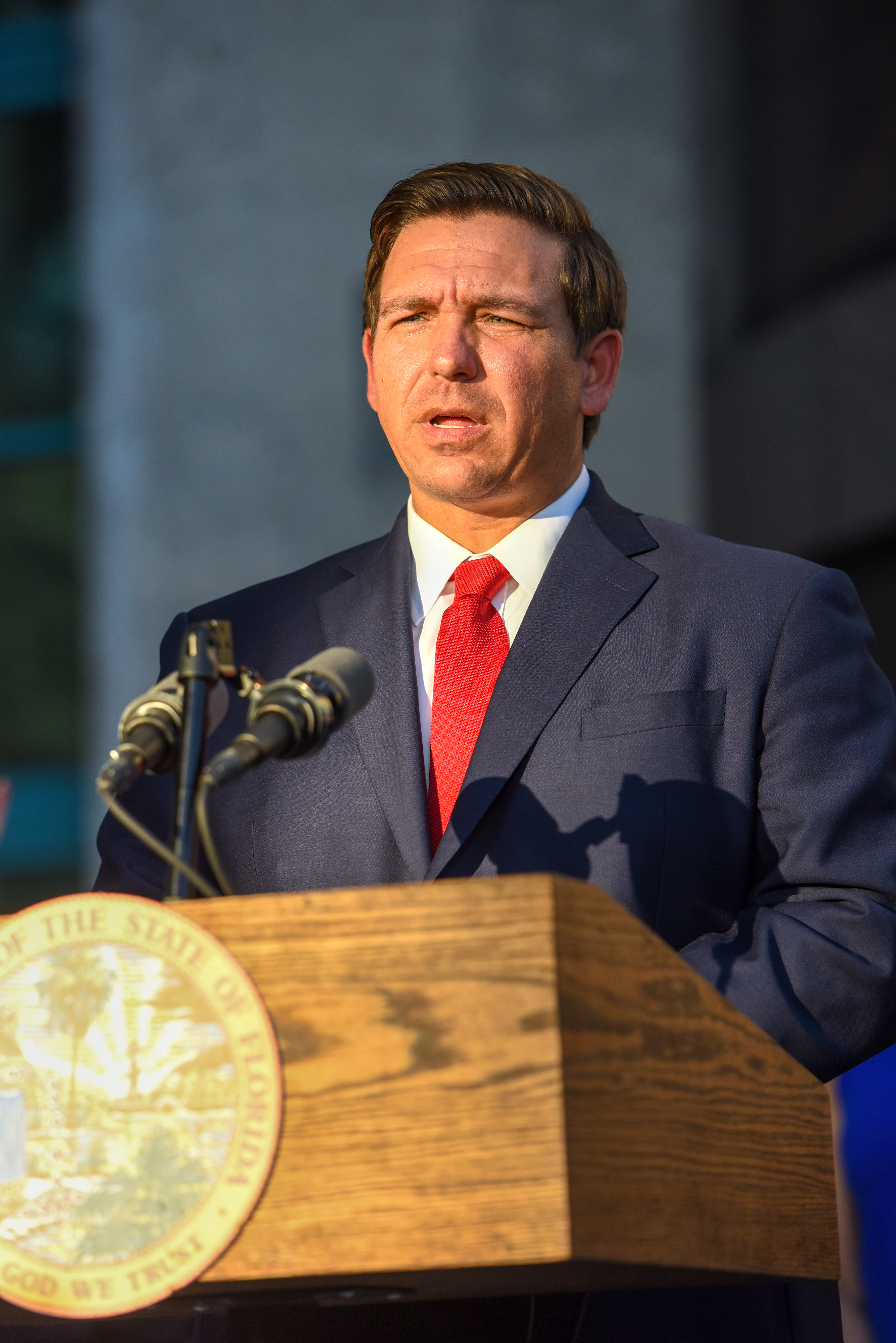
Florida’s official notice says Governor Ron DeSantis and the cabinet approved CAIR’s designation on September 29. The notice became effective after 30 days. CAIR has not been charged with, much less convicted of, terrorism. The group rejects Florida’s allegations and says the state is punishing constitutionally protected speech and association.
Chief U.S. District Judge Allen Winsor called the state’s framework “novel—and perhaps unprecedented.” His November 4 order denied most of CAIR’s request for a preliminary injunction, finding that the organization had not yet shown it was likely to win its due-process and association claims. But he blocked prosecutors from using the law to punish CAIR, its employees or third parties for providing legal services connected to the case.
That narrow protection keeps lawyers in the courtroom. It does not keep CAIR-Florida’s offices open.
“We are heartbroken that we have no choice but to close our doors to protect our staff and people of all faiths who support our work,” CAIR-Florida executive director Hiba Rahim said in the ACLU statement. She compared the state’s action to Alabama’s effort to ban the NAACP, a campaign the U.S. Supreme Court rejected in a landmark freedom-of-association ruling.
DeSantis and Florida Attorney General James Uthmeier celebrated the result. “Good win,” DeSantis wrote on X. The governor has described the law as a framework to combat extremism and impose accountability in education. The state’s position is that the designation is a civil measure, not criminal punishment.
That distinction offers little comfort to an organization that must shut down to protect its staff and supporters from exposure. A government does not need to win a criminal case if it can make association itself too dangerous to sustain.
The target matters. CAIR documents anti-Muslim discrimination and has defended pro-Palestinian speech at a moment when Republican officials have increasingly equated criticism of Israel with extremism or antisemitism. The group’s closure therefore reaches beyond one institution. It warns students, workers, donors and organizers that lawful political advocacy can carry state-imposed consequences before any jury hears evidence.
The conflict also belongs to a larger struggle over who gets to define dissent in the United States. Pamphlets recently reported on Washington’s shifting relationship with Israel in Trump Says U.S. Will End $4 Billion Israel Aid as Vance Demands New Relationship. Florida’s law moves in the opposite direction: it expands executive power at home while narrowing the civic space available to groups that challenge U.S. and Israeli policy.
CAIR has filed notice of appeal. The litigation may eventually decide whether Florida can preserve this designation system. The political fact is already clear. A Muslim civil-rights organization serving Floridians for more than two decades has gone dark—not after a conviction, but after an executive designation backed by a law that makes continued operation perilous.


Comments