


China Proposes Controls on 40 AI, Biotech and Solar Technologies

China proposed a new framework for exporting 40 sensitive technologies on Friday, spanning artificial intelligence, biotechnology and solar manufacturing. The move places control over industrial know-how at the center of the contest over the next generation of productive capacity.
The proposal includes 23 AI-related technologies, Reuters reported on October 16. Beijing's Ministry of Commerce opened a consultation period running through November 15. The proposed catalogue changes should not be mistaken for an across-the-board ban already in force.
The distinction matters. Export controls regulate transfers of specified technologies under licensing and compliance rules; they do not necessarily stop a foreign user from accessing a Chinese AI model through an ordinary website, app or cloud service. Reuters reported that the proposal broadly preserves access through such services and contains provisions for publicly available technologies.
Who controls the knowledge behind production?
Artificial intelligence models are often discussed as products that users type into. But the strategic issue reaches deeper: training methods, data-processing systems, model architecture, deployment tools and the expertise required to build competitive domestic industries.
The same logic applies to advanced solar manufacturing, where process knowledge can determine efficiency, cost and a factory's ability to move from one technological generation to the next. Countries unable to acquire or develop that expertise risk becoming buyers of high-value equipment and intellectual property rather than producers of it.
Washington has spent years restricting China's access to advanced chips and chipmaking tools. Beijing's proposed changes underscore that restrictions on technology transfer are no longer the exclusive instrument of the United States. The resulting struggle is not simply about who can sell more products next quarter; it is about who commands the capabilities to make those products.
A proposal whose final shape still matters
The consultation period leaves significant questions about definitions, enforcement, licensing and the treatment of partnerships. Researchers and manufacturers will need to distinguish the final legal rules from the wider political claims already surrounding them.
For developing economies, there is also an uncomfortable contradiction: technology diffusion can reduce dependence on wealthy countries, while strict intellectual-property barriers can make domestic industrialization harder. China's policy will have consequences beyond its rivalry with the United States, particularly for countries seeking their own AI and renewable-energy industries.
The most important test will be whether the final catalogue protects strategic know-how without closing practical channels for international research, affordable technology and development.
Photo credit
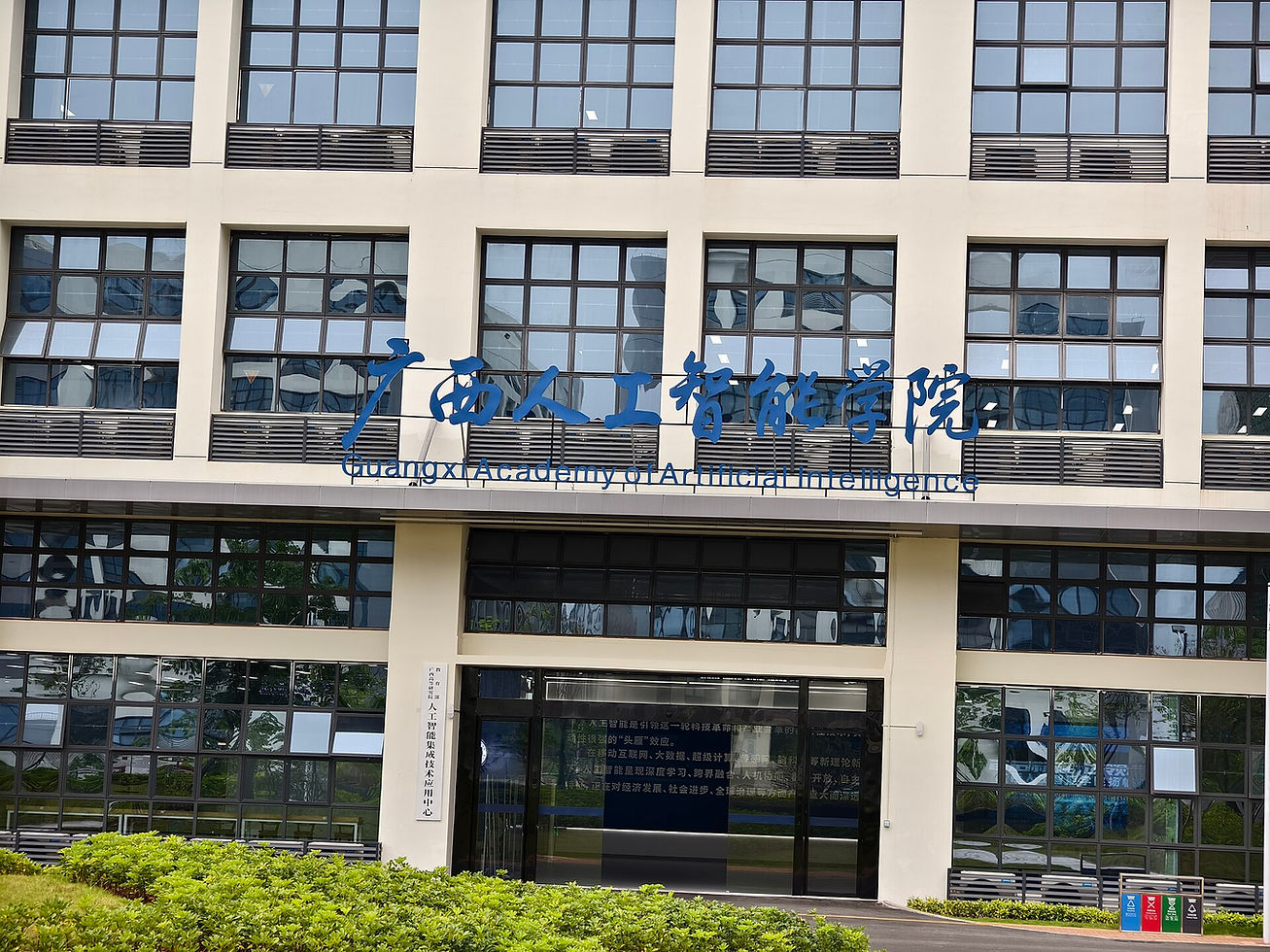
Photograph: Wikimedia Commons, Guangxi Artificial Intelligence Academy, Nanning; illustrative, not the October 2026 policy announcement.



Comments