


Czech Coalition Pushes Public-Media Bill Through at 4:36 A.M.

CZECHIA — October 24, 2026
Czechia’s ruling coalition forced a bill that would dismantle the country’s licence-fee system for public broadcasting through its first parliamentary hurdle at 4:36 a.m. Saturday, after curbing debate and moving the measure outside the chamber’s planned agenda.
The proposal would abolish the monthly 205-koruna household fee and finance Czech Television and Czech Radio directly from the state budget. The government sells the switch as relief for households. Its immediate arithmetic tells a different story: the broadcasters’ combined funding would fall by roughly 1.4 billion koruna, or about 15 percent, to 7.8 billion koruna a year.
That is not a neutral change in accounting. It would move the institutions’ income into the annual political budget fight, where a hostile government could reward obedience, punish scrutiny or manufacture a crisis by withholding funds.
A vote engineered for the small hours
Prime Minister Andrej Babiš’s ANO-led coalition, supported by the far-right SPD, introduced the measure outside the scheduled order on Friday. Parliamentary speaker Tomio Okamura limited debate and set the vote for 4:36 a.m. The governing majority then sent the bill to committees for further consideration.
Hundreds gathered outside parliament, and some stayed through the night. Public-media workers announced a one-day strike for November 3, while civic groups called a Prague demonstration for Sunday.
Babiš insisted, “There is no war for independent media.” Yet his coalition has repeatedly attacked critical reporting, and the bill would place the broadcasters’ financial oxygen under direct government control. The point is not that every state-budget system automatically produces censorship. The point is that this bill couples political dependence with a large funding cut and a legislative process designed to suppress scrutiny.
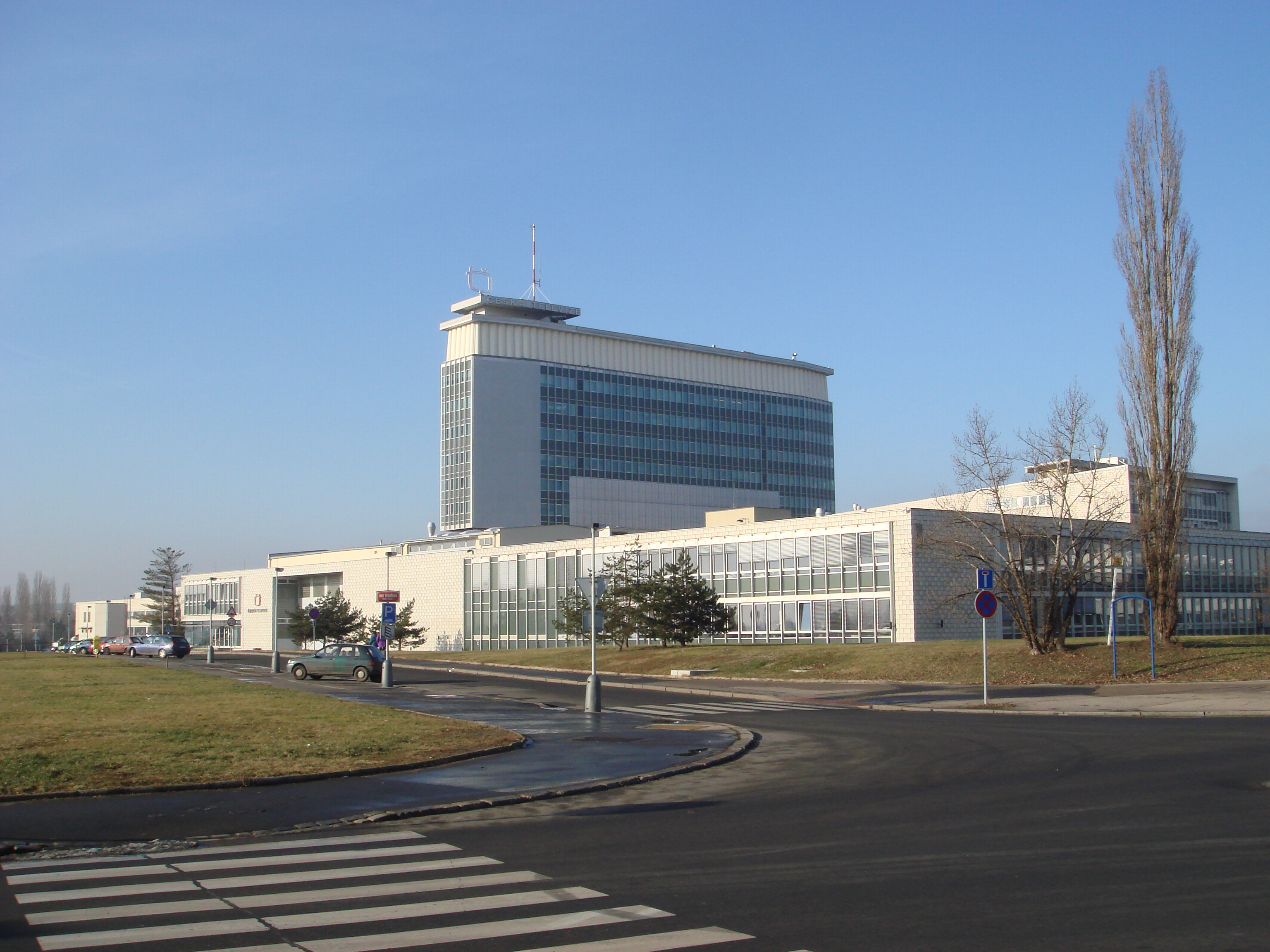
ARCHIVE — The headquarters of Czech Television at Kavčí hory in Prague. Photo: Ondřej Žváček / Wikimedia Commons, CC BY 2.5. Source
Workers are defending public infrastructure
Czech Television is the country’s most-watched broadcaster across major age groups. Public media are also among its most trusted news institutions. That public value explains why journalists, technicians and other employees have turned to collective action.
Their strike is not a narrow fight over one newsroom budget. Public broadcasters maintain regional reporting, cultural programming, children’s services and coverage that commercial outlets often abandon because it does not promise a quick return. A 15 percent cut means fewer reporters, weaker regional desks and greater pressure to replace public service with cheap content.
The European Broadcasting Union, the European Federation of Journalists and other media organisations warned on October 23 that the bill threatens financial sustainability and editorial independence. They said European law requires “adequate, stable and predictable funding” for public-service media. Direct dependence on yearly budget negotiations moves Czechia in the opposite direction.
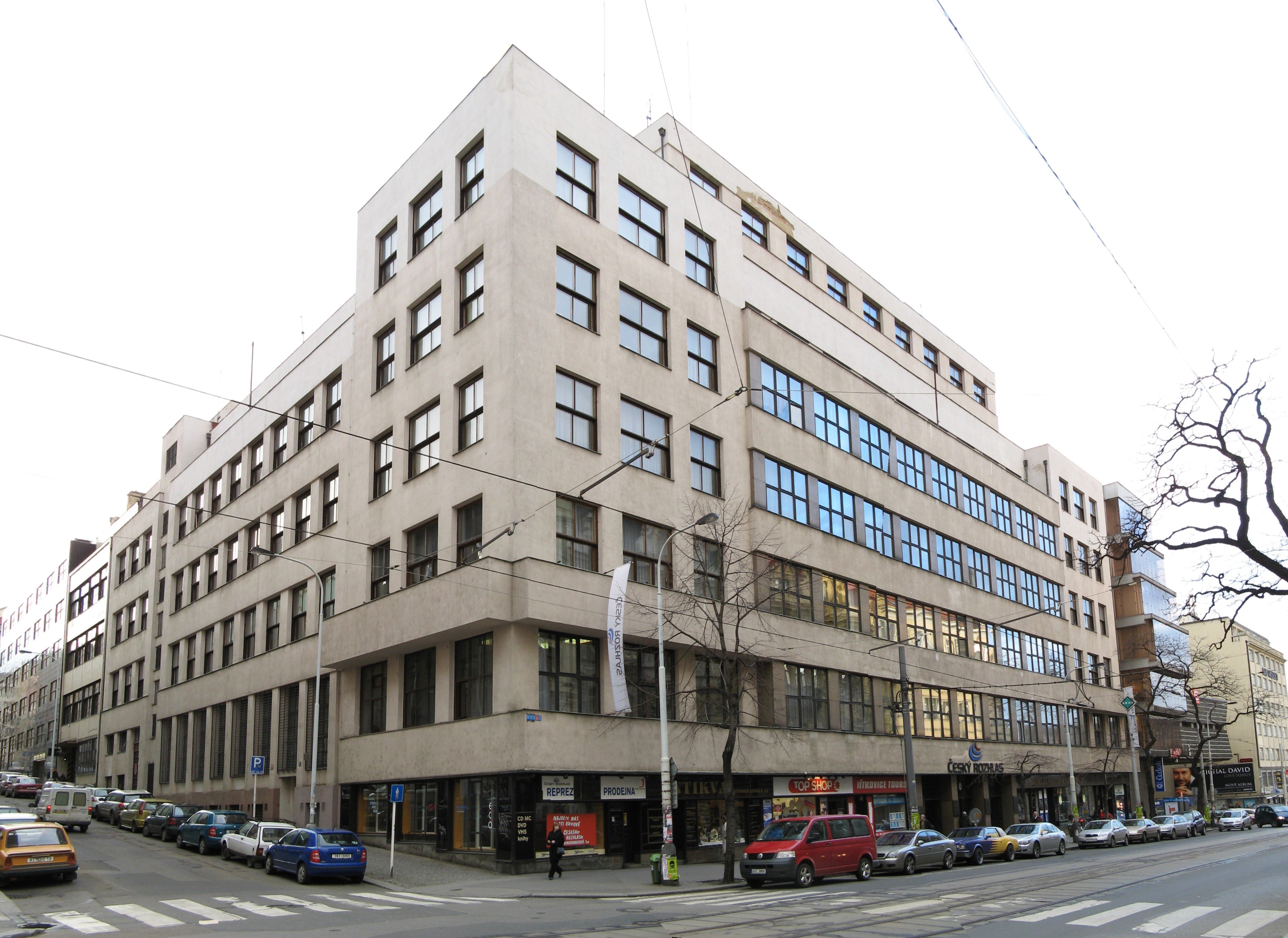
ARCHIVE — The historic Czech Radio building on Vinohradská Street in Prague. Photo: Ludek / Wikimedia Commons, CC BY-SA 3.0. Source
Small savings, concentrated power
The household fee costs 205 koruna a month—about $9.45. Abolishing it gives the government a simple talking point during a cost-of-living squeeze. But eliminating a visible fee does not eliminate the cost of broadcasting. It transfers that cost to the general budget while giving ministers more power over how much money reaches the institutions.
That bargain asks working people to accept a weaker public sphere in exchange for a small monthly saving, while a billionaire prime minister’s coalition gains leverage over institutions that investigate power. It is austerity disguised as relief.
The bill is not final. Committee scrutiny, further readings and an opposition-controlled Senate still stand ahead. That makes the coming strike and Sunday’s protest more than symbolic. They can raise the political price of turning public broadcasting into a budget line that politicians may tighten whenever journalism becomes inconvenient.
The overnight vote revealed the method: rush the bill, limit debate and let exhaustion do the rest. The resistance is answering with another method—workers organising openly, defending institutions the public already owns, and refusing to let a 4:36 a.m. vote settle the future of Czech journalism.


Comments