


El Niño Drought Pushes War-Torn Sudan Toward a Wider Famine

Sudan’s war has already shattered farms, markets and supply routes. Now El Niño has scorched the country’s rain-fed agricultural belt just as a harvest was supposed to ease hunger. The result is a new famine threat produced not by weather alone, but by the collision of drought, conflict and a collapsing aid system.
Rainfall from July through September was Sudan’s lowest in more than three decades, according to U.S. Geological Survey data reviewed by Reuters. North Darfur recorded its driest peak rainy season since 1984; North Kordofan its driest since 1990; Gedaref its driest since 1991. These are not abstract climate records. They measure missing grain, dead pasture and families forced to move again.
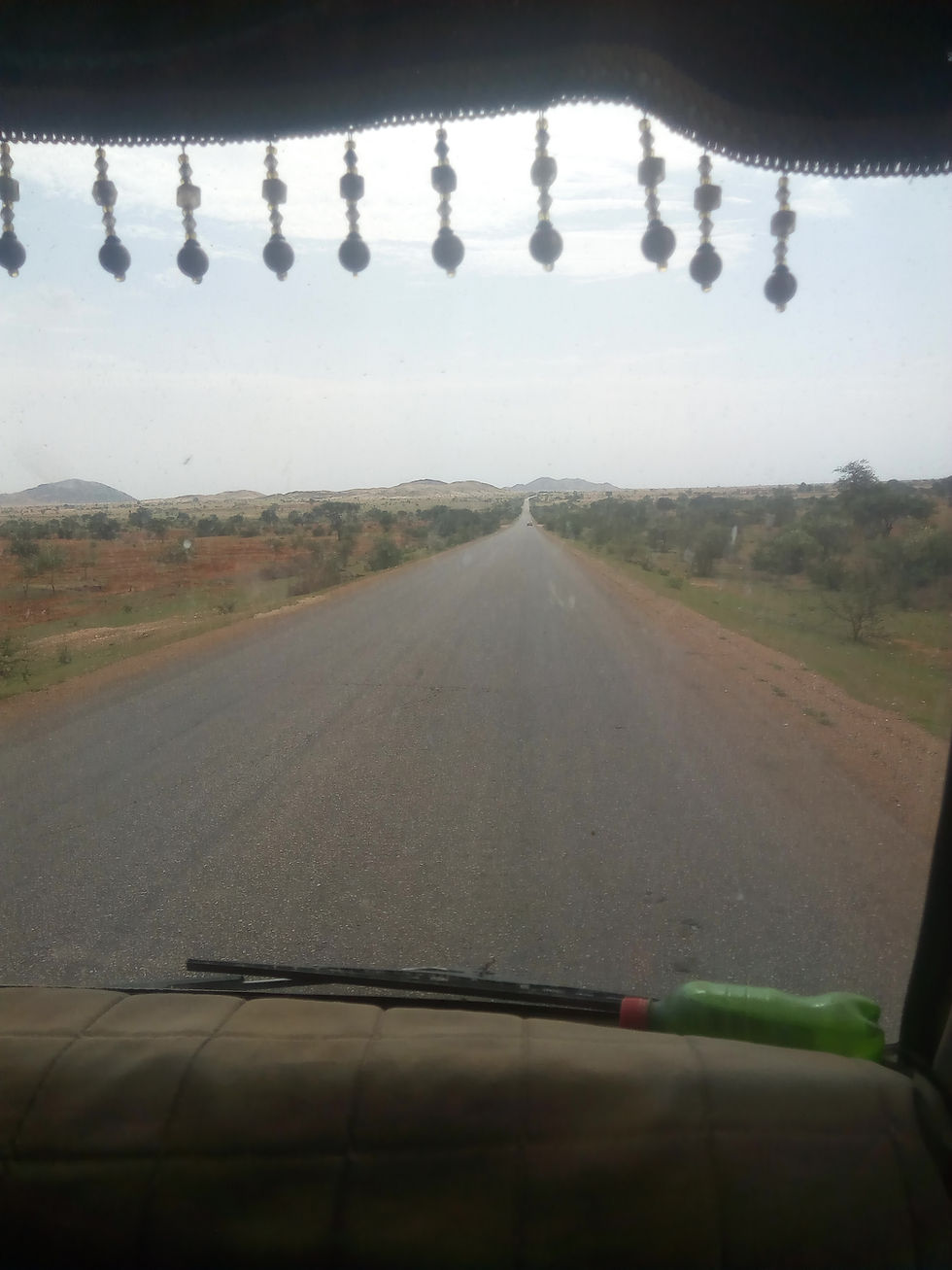
The drought has hit the southern rain-fed belt that supplies much of Sudan’s food. In the Um Ruwaba area of North Kordofan, a farmer and sesame trader estimated that roughly 40 percent of local farmland would produce no harvest. In Gedaref, one large producer said he expected only a quarter of last year’s crop. Temperatures there ran seven to nine degrees above the historical average on October 20.
“The risk of famine is growing in many conflict-affected areas of Sudan, with the impact of El Niño-induced drought compounding already dire conditions,” the UN-backed Integrated Food Security Phase Classification warned in an October 12 alert quoted by Reuters.
The new forecast is brutal. The World Food Programme expects another 350,000 people to fall into severe hunger by the end of 2026, with the increase reaching 1.2 million by August 2027. Darfur and the Kordofan region face the sharpest deterioration.
Sudan entered this climate shock from a position of engineered vulnerability. The war between the Sudanese Armed Forces and the Rapid Support Forces has displaced millions, destroyed rural livelihoods and repeatedly obstructed aid. Both forces deny blocking relief, but humanitarian agencies have documented restrictions throughout the conflict. Famine was already identified in parts of the country during 2024 and 2025.
FAO and WFP warned earlier this year that famine risk extended across 14 areas of North Darfur, South Darfur and South Kordofan. Their joint assessment estimated that 19.5 million people—41 percent of Sudan’s population—faced crisis-level hunger or worse through May 2026, including 5 million in emergency conditions. They projected 200,000 people in catastrophe-level hunger during June through September.
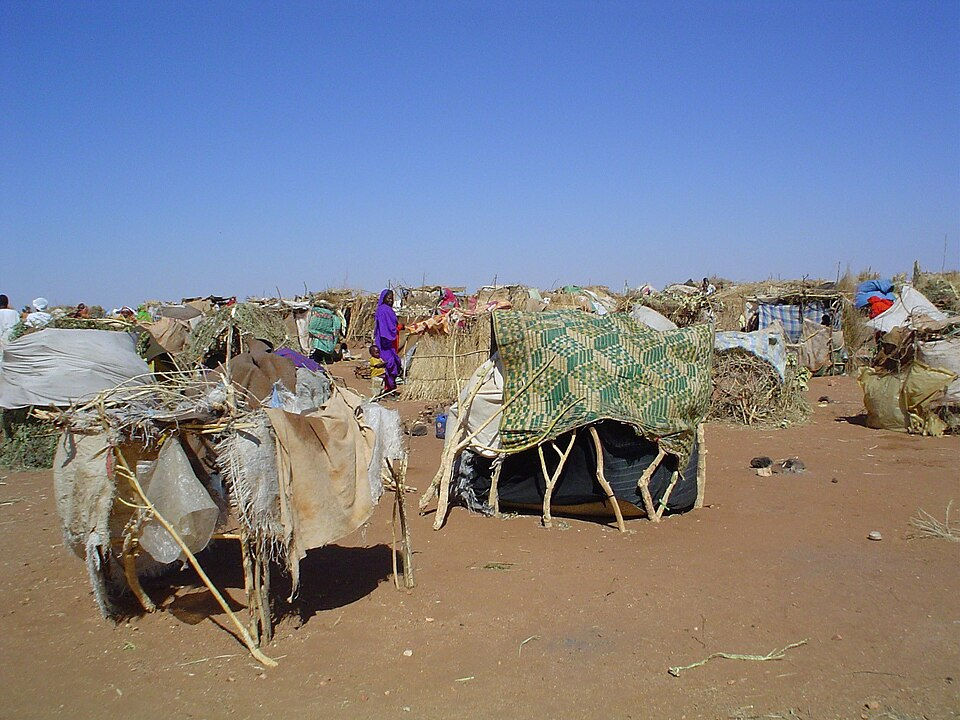
Those figures expose the political economy of famine. A drought becomes mass starvation when people cannot reach land, markets or public support. The same communities that lost homes to artillery and militia violence now return to fields without rain. Traders watch livestock lose weight as the currency collapses. Families move because of hunger even when the road itself remains dangerous.
At the same time, the institutions meant to keep people alive are being stripped of resources. WFP had $276 million for its Sudan operation as of October 17—less than half of last year’s budget—and says it needs another $134 million to confront drought-driven hunger. It has already reduced rations for people it can reach. In Tawila, a Darfur camp sheltering about 700,000 displaced people, rations were cut in half while thousands of new arrivals continued to come.
“It’s no longer just about bullets,” said Adam Rojal, a spokesman for the General Coordination of IDPs and Refugee Camps in Sudan. Hunger itself is now driving displacement.
Sudan’s agriculture minister has played down the danger, saying the coming harvest would be lower but not significantly below last year’s. The evidence from farmers, rainfall records and international monitors points the other way. This is not a temporary shortage waiting for markets to correct. It is a national food system being dismantled by war and then hammered by extreme weather.
The answer cannot be another cycle of late emergency appeals. Aid agencies need immediate funding and unrestricted access. Farmers need seed, water, livestock support and safe routes to markets. Above all, the armed actors must stop treating food and humanitarian access as weapons. Sudan’s famine risk is widening in plain sight. Delay will turn a forecast into a death toll.


Comments