


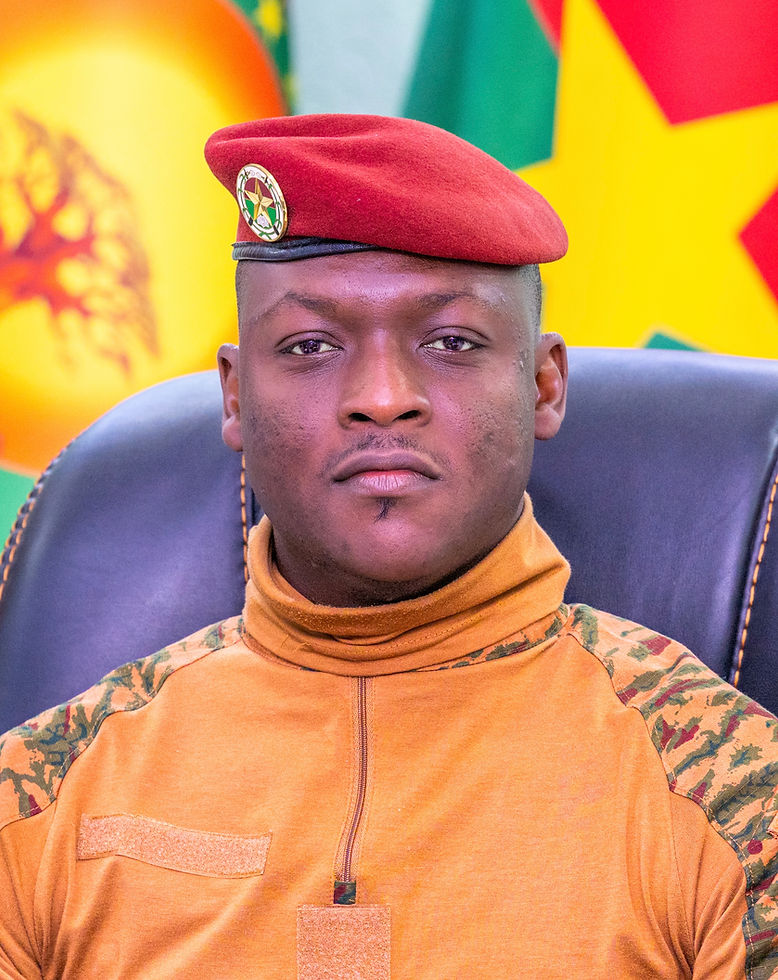
Ibrahim Traoré and Burkina Faso’s Search for Sovereignty

Updated: 1 hour ago
Sankara’s shadow
The 1987 assassination of Thomas Sankara made him a lasting symbol of anti-colonial sovereignty in Burkina Faso. In 2022, Captain Ibrahim Traoré took power in a military coup after a second coup within a year. His supporters invoke Sankara’s legacy; that comparison is a political claim, not proof that the two leaders or their governments are equivalent.

For a related discussion of China’s role in Africa, read the essay below.
Resource sovereignty
Traoré’s government has sought greater control over natural resources and reduced Burkina Faso’s military relationship with France. The country opened its first gold refinery in 2026 as part of that sovereignty agenda. A refinery is a meaningful industrial step, but it does not by itself establish that gold revenues are now broadly shared or that the country has escaped dependence on foreign markets and capital.
The unresolved costs of military rule
The political record is also mixed. Burkina Faso faces a severe armed insurgency, and civilians continue to bear the costs. Press freedom has deteriorated since the 2022 coup: media outlets have been suspended and foreign journalists expelled, according to reporting by the Reuters Institute. Anti-imperialist language should not make restrictions on journalists or abuses by any armed force disappear from the story.
What sovereignty has to deliver
Sankara’s legacy can help explain why demands for self-reliance resonate. The harder test for Traoré is whether the government can improve security, expand public services, protect civic life, and make resource policy accountable to ordinary people. Those outcomes remain unsettled. Support for sovereignty is compatible with scrutiny of military rule.


Comments