


Mexico Moves to Bar Dual Citizens From Its Highest Offices

Mexico is moving toward a constitutional rule that would require presidential candidates, state governors and the mayor of Mexico City to renounce any second citizenship, a measure President Claudia Sheinbaum’s government presents as a safeguard against foreign influence.
The reform has already passed both chambers of Congress and a majority of Mexico’s state legislatures. Lawmakers still need to issue a formal declaration of constitutionality before the amendment can be published in the official gazette. The new requirement would begin applying to prospective candidates in 2028.
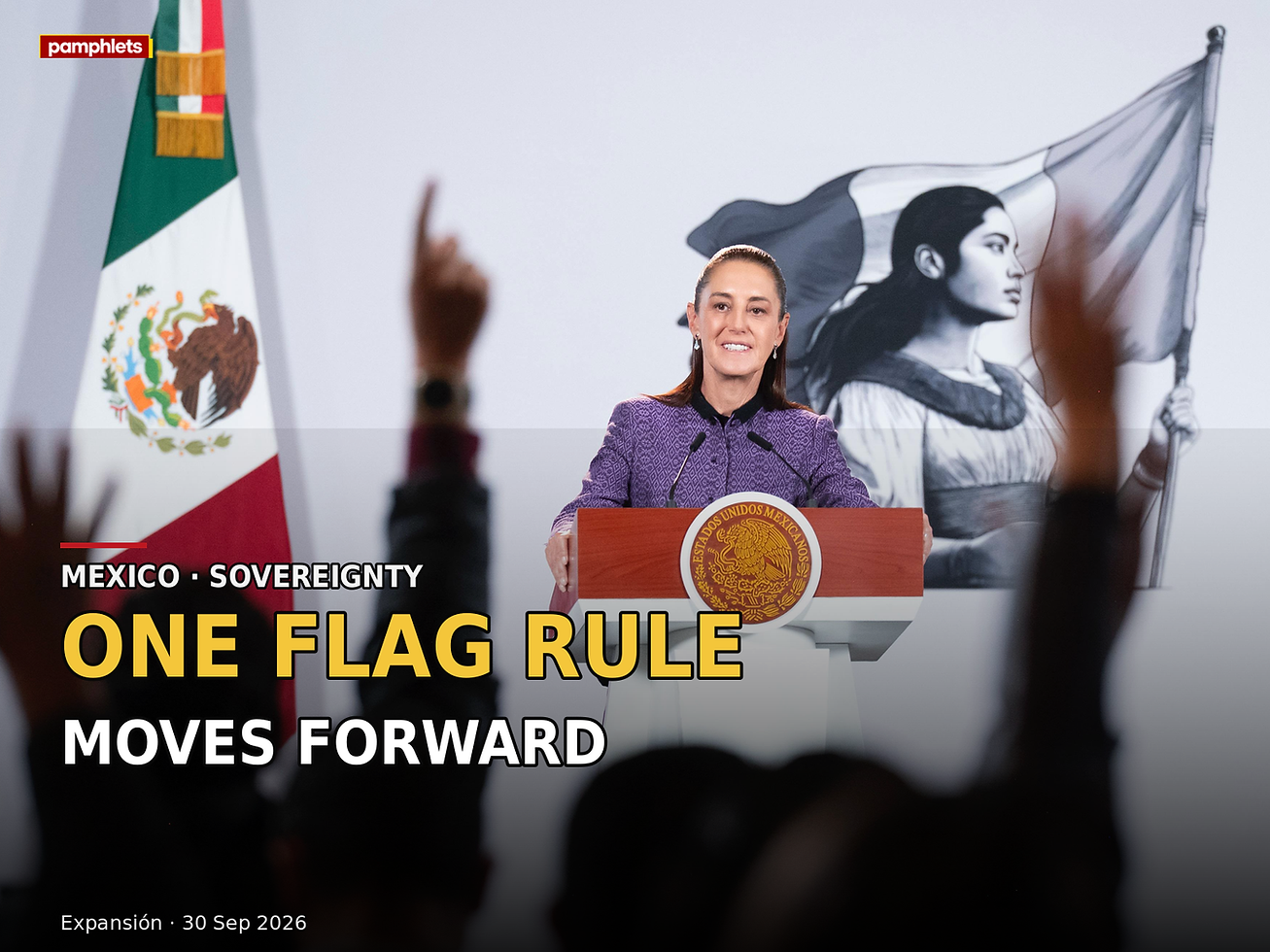
Sheinbaum has defended the restriction in explicitly sovereignty-centered terms, arguing that Mexico’s highest elected officials should owe political allegiance to only one country. “Presidents of Mexico can only have one flag, one homeland, one people to defend,” she said while promoting the proposal.
Supporters say the reform responds to growing pressure from Washington and to a broader concern that foreign citizenship can create conflicts of interest for officials who control national security, public finances and foreign policy. Mexico’s government has repeatedly emphasized sovereignty as tensions with the Trump administration have increased.
Critics argue that the measure goes too far. Dual citizenship is common among Mexican families with ties to the United States and elsewhere, and opponents say the amendment risks treating millions of binational Mexicans as less politically trustworthy even when their legal and social ties to Mexico are strong.
The debate has also become entangled with domestic succession politics. Billionaire Ricardo Salinas, a fierce government critic who has hinted at political ambitions, has attacked the proposal as an attempt to block potential rivals. Reuters reported that a Morena source, speaking anonymously, said limiting a possible Salinas candidacy was among the reform’s political aims. Salinas has said publicly that he does not hold dual citizenship.
Other critics have focused less on individual politicians and more on the precedent. Larry Rubin, president of the American Society of Mexico and himself a dual U.S.-Mexican citizen, has argued that holding two nationalities does not make someone less Mexican and warned against alienating migrant and binational families.
Mexico’s ambassador to the United States, Roberto Lazzeri, has defended a narrower reading of the change. He has said dual nationality itself is not being condemned; rather, the state is imposing a higher obligation on people seeking its most powerful elected offices.
The reform therefore puts two principles in direct tension: Mexico’s long political tradition of defending sovereignty from foreign interference, and the political rights of a large population whose lives and citizenship span borders. The constitutional amendment appears likely to take effect, but the fight over what national loyalty should mean in a binational society is only beginning.


Comments