


New Zealand on a Knife Edge

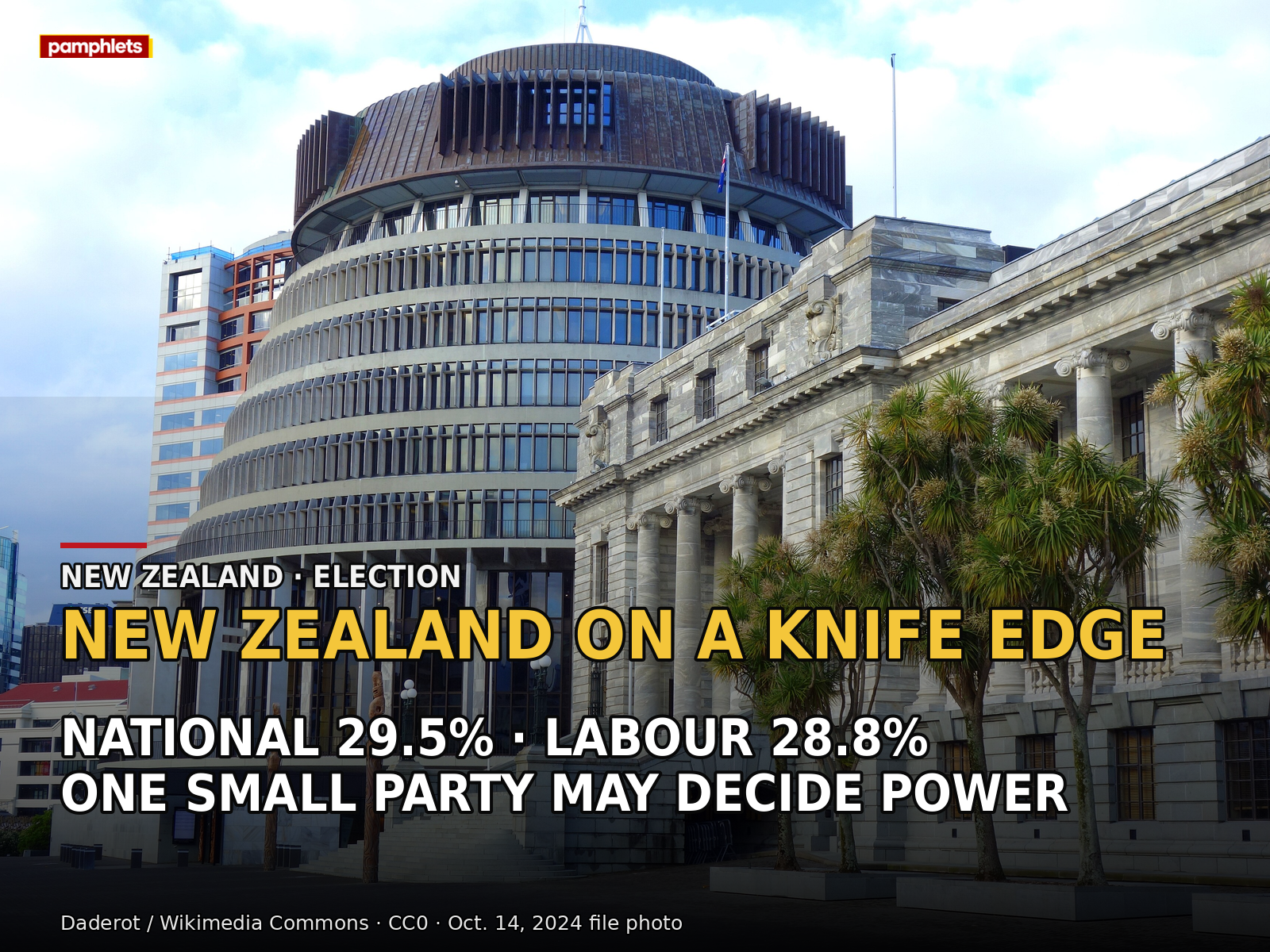
New Zealand enters the final four days of its general-election campaign with the government and opposition separated by less than one percentage point—and neither side able to command Parliament alone.
The final 1News-Verian poll, released Tuesday, put Prime Minister Christopher Luxon’s conservative National Party at 29.5% and Chris Hipkins’ Labour Party at 28.8%. Those figures sit well inside the survey’s margin of error. The Greens reached 16.4%, while National’s governing partners ACT and New Zealand First fell to 10% and 8.4%.
The decisive number may belong to neither major party. Opportunity, a small centrist party seeking to enter Parliament for the first time, polled at 6.2%—above New Zealand’s 5% threshold—and would take about seven seats. On the poll’s arithmetic, both the right bloc and the Labour-led left would need its support.
That makes Saturday’s vote more than a duel between Luxon and Hipkins. It is a referendum on two competing responses to the country’s prolonged cost-of-living, housing and public-services squeeze, followed by a probable negotiation over who can turn votes into a governing majority.
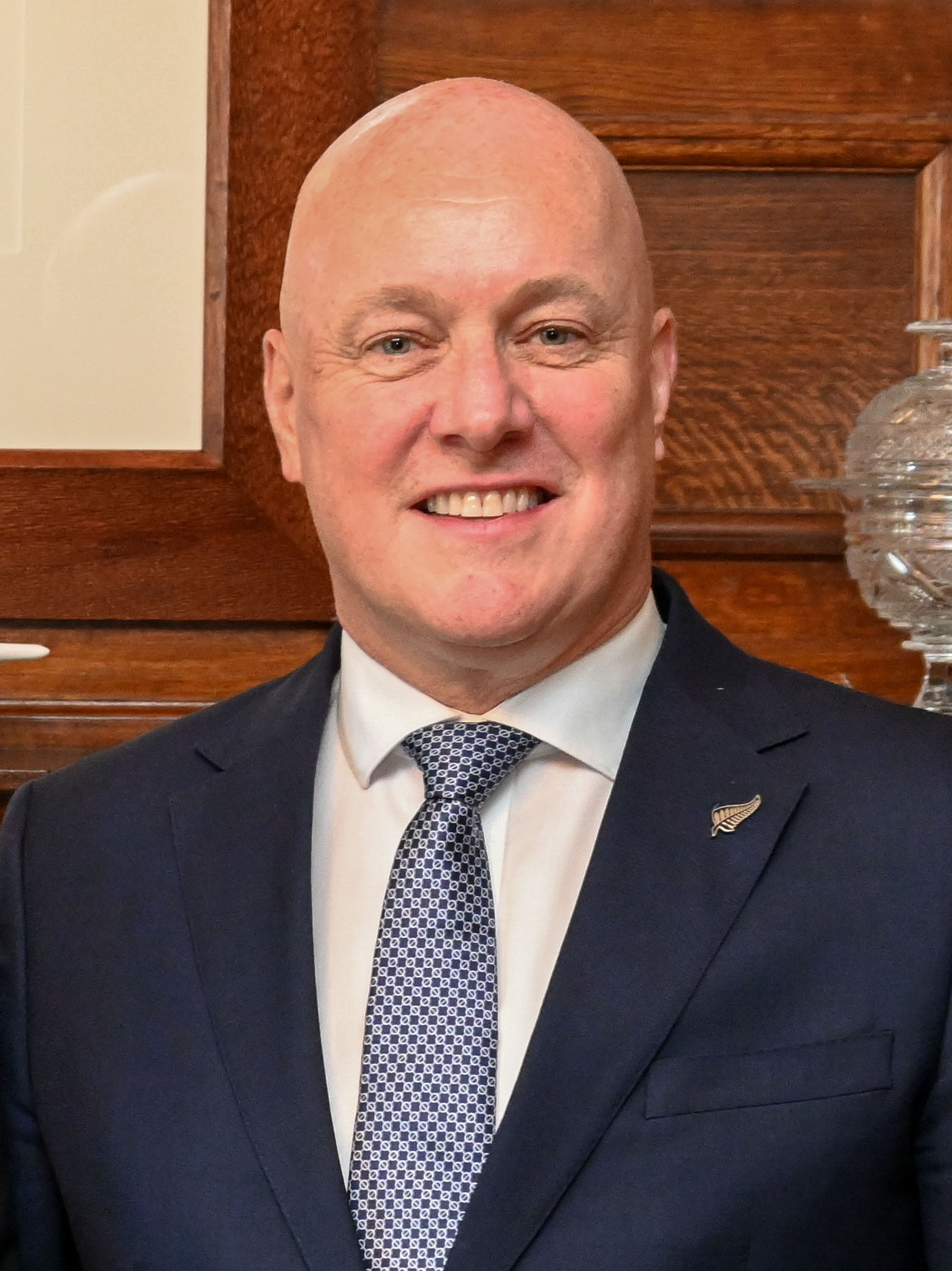
Luxon told 1News that “the only poll that matters” would come on Saturday and urged voters to “stick with the plan.” National is campaigning on no new taxes, lower debt and spending, a return to budget surplus in 2028–29, expanded access to 5% home deposits and a council-rates cap. Its program combines selective household measures with a firm fiscal ceiling.
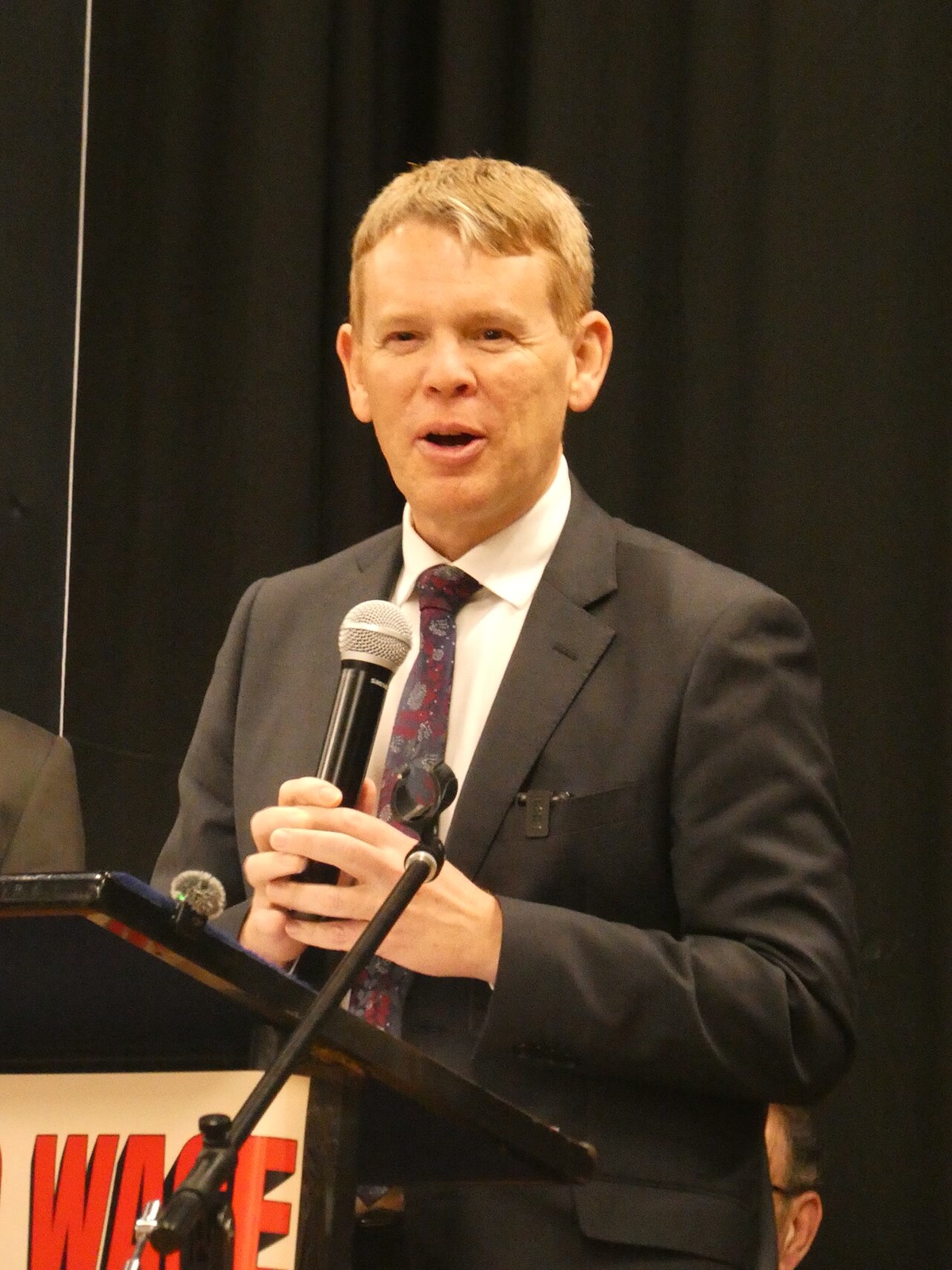
Hipkins said Labour had developed “some real momentum” but acknowledged that “it’s going to be a close election.” Labour has made living costs its central argument: three free GP visits each year, restored free prescriptions, capped public-transport fares, action against price gouging and a 10% reduction in student debt for graduates who remain in New Zealand. It proposes a targeted capital-gains tax on investment and commercial property, excluding family homes, farms, businesses and KiwiSaver, to finance health measures.
The contest exposes the limits of a two-party headline in a proportional system. New Zealand’s mixed-member proportional rules almost always force coalition bargaining. The poll translates into roughly 58 seats for National, ACT and New Zealand First—short of a majority. Labour, the Greens and Māori-aligned MPs would also fall short or sit near the line, depending on electorate results and the size of Parliament.
Opportunity leader Qiulae Wong said her party would speak first with the party holding the most seats, but a close result could require waiting for special votes. Her party has named five minimum conditions for support: stronger competition enforcement, lobbying and donation rules, a ten-year health plan, an end to bottom trawling and renewed commitment to the Paris climate agreement.
National has ruled out a formal governing arrangement with Opportunity, a position that could shut off its clearest path to power if the poll holds. Labour has more room to negotiate, but any agreement would bind a new government to concessions from the Greens, Māori representatives or Opportunity.
The electorate is already moving. New Zealand’s Electoral Commission recorded 913,762 advance votes in the first seven days, more than 200,000 above the same stage in 2023. More than 2,300 polling places will open on November 7, with preliminary results released progressively after voting closes at 7 p.m.
Polls are snapshots, not ballots. The Verian survey questioned 1,006 eligible voters from October 29 to November 2 and carried a maximum sampling error of about 3.1 percentage points. Nine percent remained undecided. An overhang—created if a party wins more electorate seats than its party vote allocation—could also enlarge Parliament and shift the majority threshold.
But the final poll establishes the stakes with unusual clarity. National and Labour are locked together. Smaller parties hold the leverage. New Zealanders will decide the broad direction on Saturday; the precise shape of power may only emerge in the bargaining that follows.


Comments