


Oleshky Ceasefire Opens a Lifeline for Civilians Starved Under Occupation

Russia and Ukraine have agreed to a localized ceasefire in Oleshky, the occupied Ukrainian city where hunger, destroyed infrastructure and mined roads have trapped civilians for months. The pause is scheduled to begin October 29 and is meant to open a corridor for humanitarian aid and voluntary evacuation.
The deal offers a narrow but urgent lifeline. It does not end the war, settle control of the city or erase the legal duties of an occupying power. Its value will be measured in food delivered, patients treated and people moved safely—not in diplomatic spectacle.
A city cut off from survival
Oleshky sits on the Russian-held east bank of the Dnipro River, across from Kherson. About 24,000 people lived there before Russia’s full-scale invasion. Current estimates place the remaining population between 1,700 and 2,000, including roughly 50 children. Most of those still there are elderly.
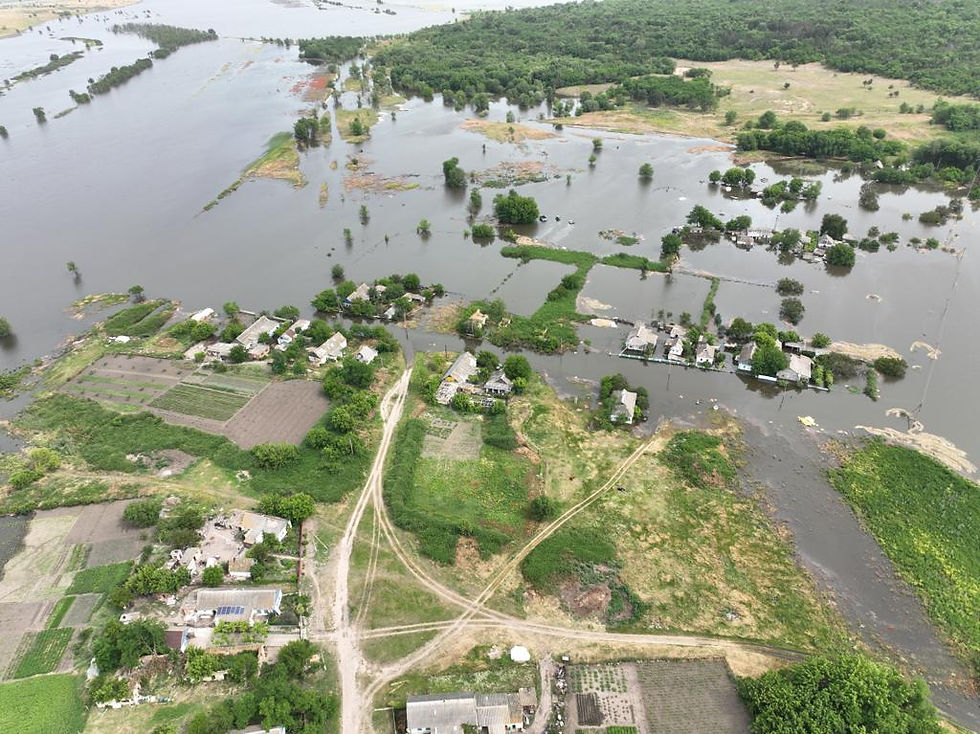
The city has endured occupation since the first day of the 2022 invasion. The destruction of the Kakhovka dam in June 2023 then flooded much of Oleshky and the surrounding region, deepening the damage to homes, roads and public services. Residents now face unreliable electricity, heating and running water, while medical care and basic supplies have collapsed.
The United Nations told the Security Council this month that people in Oleshky were “crying for help.” Regular road deliveries of food stopped in May, according to UN reporting cited by the Associated Press. Some residents have risked mined roads and drone fire to escape. Others cannot travel because of illness, age, missing documents or fear of attack.

A truce with an implementation test
The White House said the agreement temporarily halts military action around Oleshky so civilian teams can assess needs, deliver aid and arrange safe passage. US First Lady Melania Trump, whose office announced the deal, called the city a “front-line war city on the brink of disaster.”
The Kremlin later confirmed that an agreement had been reached and said Russian and Ukrainian military officials were coordinating implementation dates. Ukrainian negotiator David Arakhamia also confirmed the arrangement, according to Reuters. The planned pause follows weeks of appeals from Ukrainian officials, the United Nations, the International Committee of the Red Cross and Pope Leo XIV.
But a ceasefire on paper is only the first step. The parties must publish clear routes, schedules and security guarantees. Mines must be marked or cleared. Evacuation must remain voluntary, and civilians must be allowed to choose whether to travel toward Ukrainian- or Russian-controlled territory. Independent humanitarian organizations need access to verify that aid reaches residents without political screening, confiscation or coercion.
The agreement also cannot blur responsibility. Under international humanitarian law, Russia, as the occupying power, must ensure food and medical supplies for the population and permit relief when residents are inadequately supplied. A media event cannot substitute for those obligations, and a temporary corridor cannot legitimize occupation.
Relief must reach people, not cameras
The White House has emphasized Melania Trump’s personal role in the negotiations and said an American media organization will document the operation. That claim will draw attention. It should also draw scrutiny.
Oleshky’s civilians do not need another publicity set. They need food, medicine, clean water, heat and a safe route out before winter tightens its grip. The corridor must protect people on both sides of the front line and operate under transparent rules that neither military can manipulate.
If the pause begins as promised on October 29, it could show that limited humanitarian agreements remain possible even while the wider war continues. It could also create a model for other trapped communities. If it fails, the consequences will fall on residents who have already survived invasion, flood, isolation and hunger.
The world should judge this ceasefire by a simple standard: whether the people of Oleshky receive what they need and leave, if they choose, without being shot, mined, detained or used as props.


Comments