


South Africa Votes as Service Crisis Puts ANC Cities on the Line

JOHANNESBURG — South Africans are voting Wednesday in municipal elections that turn daily failures in water, electricity, employment and public safety into a national test of political power.
The African National Congress enters the vote under pressure in the cities where government is felt most directly. The party of Nelson Mandela fell below 50 percent in a municipal election for the first time in 2021. Polls cited by Reuters suggest its share could now fall below 40 percent, though the ballots—not forecasts—will determine the result.
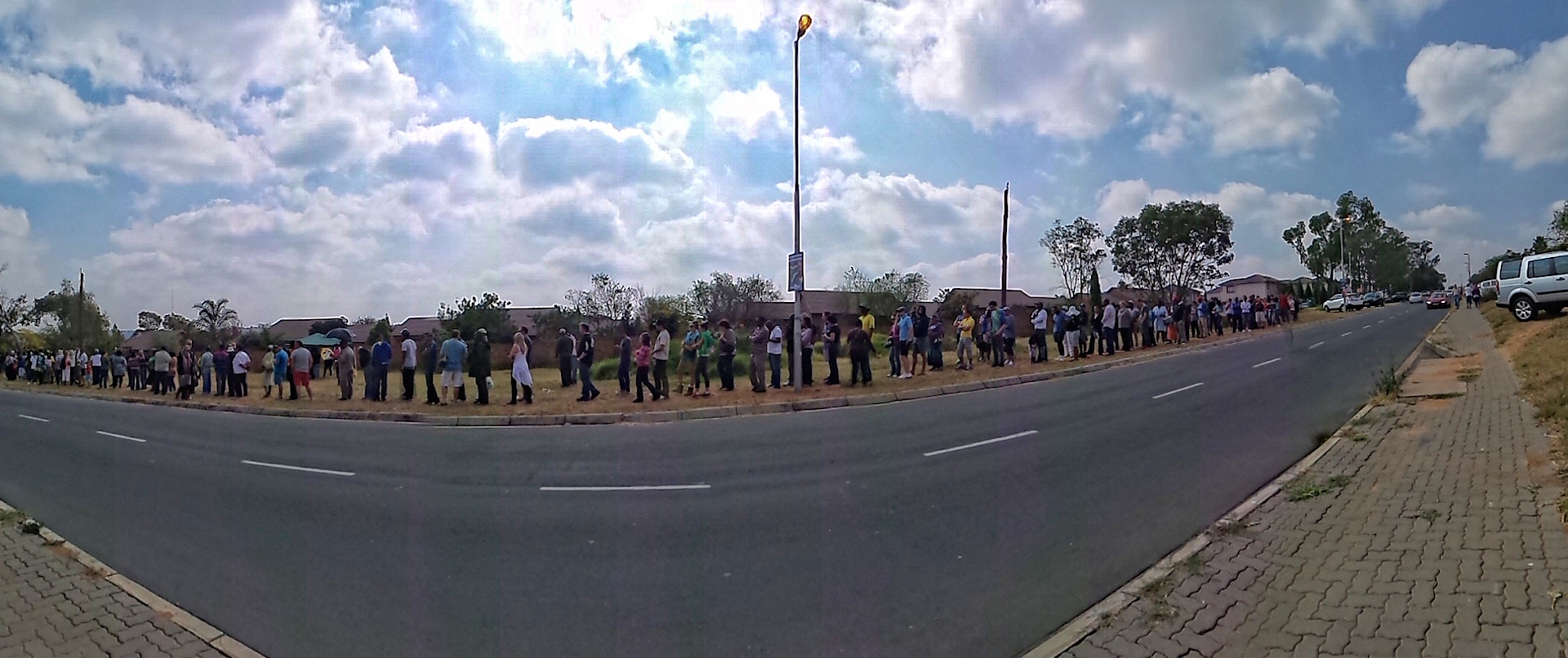
Image credit and license: Wikimedia Commons · CC BY-SA 3.0
The contest is enormous. South Africa’s Electoral Commission certified 136,790 candidates across eight metropolitan municipalities, 44 district municipalities and 205 local municipalities. It secured 23,696 voting stations, including permanent, temporary and mobile sites. Polls run from 7 a.m. to 9 p.m., with final results expected Sunday.
Cities are the test
Johannesburg is the largest prize. Democratic Alliance mayoral candidate Helen Zille is projected to win the biggest share without reaching a majority, which would force another round of coalition bargaining in the country’s commercial center. Tshwane, which includes Pretoria, and eThekwini, which includes Durban, are also central battlegrounds.
That arithmetic carries consequences beyond party headquarters. Municipal coalitions have repeatedly fractured, rearranged leadership and slowed decisions while residents waited for repairs. Water cuts, power failures, unemployment and crime have made local government a measure of whether democracy can deliver material security—not merely administer another election.
President Cyril Ramaphosa acknowledged the scale of the crisis. “Municipal failures have contributed to declining public trust and confidence in democratic governance,” he said, while arguing that the vote offers a chance to reverse the damage.
The ANC’s historic role in ending apartheid still commands loyalty, especially among voters who know what the liberation movement made possible. But that history does not supply clean water or repair a transformer. A governing party protects its legacy by improving people’s lives, not by asking them to treat past victories as a substitute for present services.
The opposition is fragmented. The DA is favored to retain Cape Town and gain ground in Johannesburg. Former president Jacob Zuma’s uMkhonto weSizwe party is strong in parts of KwaZulu-Natal, including eThekwini. Smaller parties and independent ward candidates could hold decisive leverage where no major bloc wins outright.
Coalition arithmetic meets material need
South Africa’s 2024 national election already ended the ANC’s parliamentary majority and produced a coalition with the DA and smaller parties. Wednesday’s municipal vote will show whether that national realignment has reached the streets—or whether local loyalties produce a more complicated map.
Coalition government is not automatically failure. It can force negotiation and widen representation. But agreements built only to divide offices collapse when budgets, procurement and service priorities reach the table. Voters have reason to demand public coalition contracts, stable spending plans and clear consequences when partners abandon them.
The election also carries a representation problem. Official figures show women are 38 percent of all candidates and young people aged 18 to 39 account for 32 percent. A political system cannot renew itself if the people carrying the greatest burden of unemployment and failing services remain underrepresented on the ballots.
No single result will repair South Africa’s municipalities. But the vote can redraw who controls them, who must negotiate and who can be removed. The mandate is local; the warning to every national party is unmistakable: liberation history, market promises and campaign slogans all meet the same test when a tap runs dry.
Sources
Reporting and verification: Reuters · Electoral Commission of South Africa · South African Government candidate certification
Hero photograph: June 2026 South African voting station by Lefcentreright, released under CC0
Comments