


Türkiye Enters U.N. Leadership Race as Security Council Deadlocks

Türkiye has forced open a stalled contest for the world’s most powerful diplomatic office, formally nominating veteran envoy Feridun Sinirlioğlu to succeed António Guterres as United Nations secretary-general after the Security Council failed again to unite behind a candidate.
Ankara submitted the nomination on Friday, October 30. Türkiye’s U.N. ambassador, Ahmet Yıldız, delivered President Recep Tayyip Erdoğan’s letter to the presidents of the General Assembly and Security Council. The move became public Saturday, less than two months before Guterres’s second term expires on December 31.
The timing matters. Anadolu Agency reported that the latest Security Council straw poll ended without a consensus candidate. Türkiye had held back while Latin American and Caribbean contenders tested their support. With the contest still fractured, Ankara has entered an experienced diplomat from outside the region and challenged the informal convention that the next secretary-general should come from Latin America or the Caribbean.
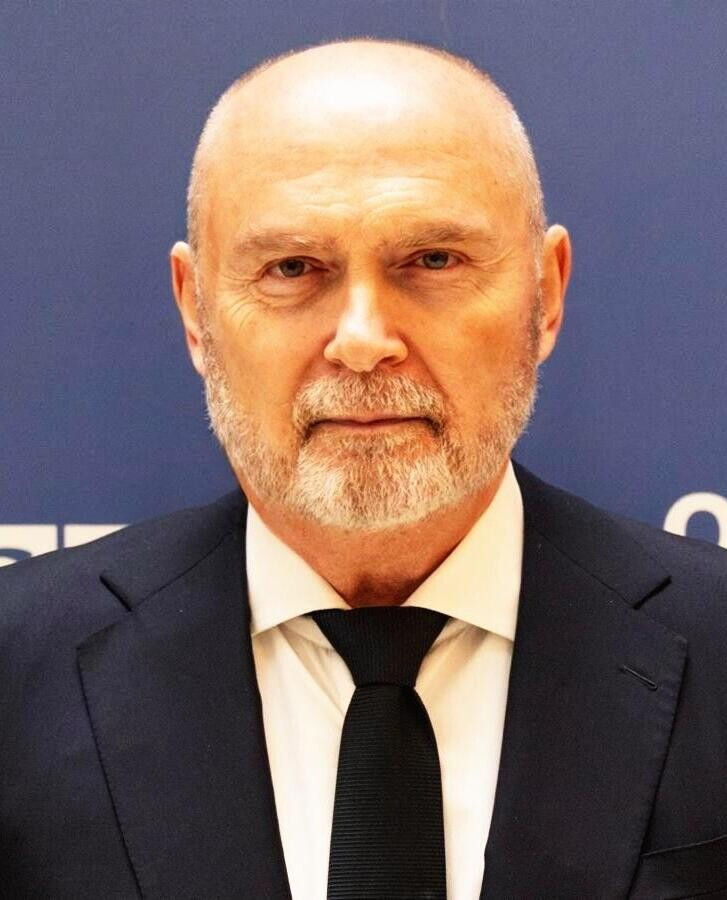
Sinirlioğlu, 70, is not a symbolic nominee. He has spent more than four decades in Turkish diplomacy, served as foreign minister in 2015 and represented Türkiye at the U.N. from 2016 to 2023. He currently leads the Organization for Security and Co-operation in Europe, a consensus-based body strained by the war in Ukraine and deep conflict among its members.
Erdoğan’s nomination letter emphasized that record. He said Sinirlioğlu possessed the “experience and culture of consensus required to lead the United Nations Organization,” according to Anadolu. That language advertises a bridge-builder. It also markets Ankara’s ability to speak with rival capitals at a moment when the U.N. system looks increasingly unable to restrain wars in Gaza, Iran and Ukraine.
But the candidacy immediately collides with the same power structure Erdoğan has spent years attacking. Under Article 97 of the U.N. Charter, the Security Council recommends one candidate and the General Assembly makes the appointment. Any of the council’s five permanent members—the United States, China, Russia, Britain and France—can block the recommendation. A candidate needs at least nine council votes and no permanent-member veto.
That structure turns a supposedly global selection into a bargain among nuclear powers. The General Assembly’s final vote usually ratifies the deal rather than shaping it. Erdoğan’s familiar demand that “the world is bigger than five” therefore shadows his own nominee: Sinirlioğlu can win only by navigating the veto system Türkiye says must change.

The Associated Press reported that Greece, currently an elected Security Council member, could resist the bid, while Israel may push back through its alliance with Washington. Sinirlioğlu also enters against a powerful regional and gender claim. The U.N. has never chosen a woman as secretary-general, and Latin American governments argue that their region’s turn is overdue.
The field already includes Costa Rica’s Rebeca Grynspan, Chile’s Michelle Bachelet, Argentina’s Rafael Grossi, Guyana’s Carolyn Rodrigues-Birkett, Ecuador’s María Fernanda Espinosa and Ivonne A-Baki, Senegal’s Macky Sall, and Uganda’s Olara Otunnu. Türkiye’s late intervention does not settle the race. It exposes how little consensus the council has built.
This contest will decide more than who occupies the office on January 1. The next secretary-general inherits a cash-starved institution, repeated Security Council paralysis and a humanitarian system forced to cut while wars multiply. The office carries no army and cannot override a veto. Its power rests on political independence, public credibility and the ability to make deadlocked states move.
Sinirlioğlu now enters that test with a formidable résumé and an unavoidable contradiction. Türkiye presents him as a consensus candidate while using his bid to challenge a broken consensus. If the permanent five cannot agree, the selection process itself will deliver the clearest verdict on the U.N.: an institution expected to manage global crises but unable to choose its leader without great-power permission.


Comments