


Türkiye Ratifies Mecca Defense Pact With Saudi Arabia and Pakistan

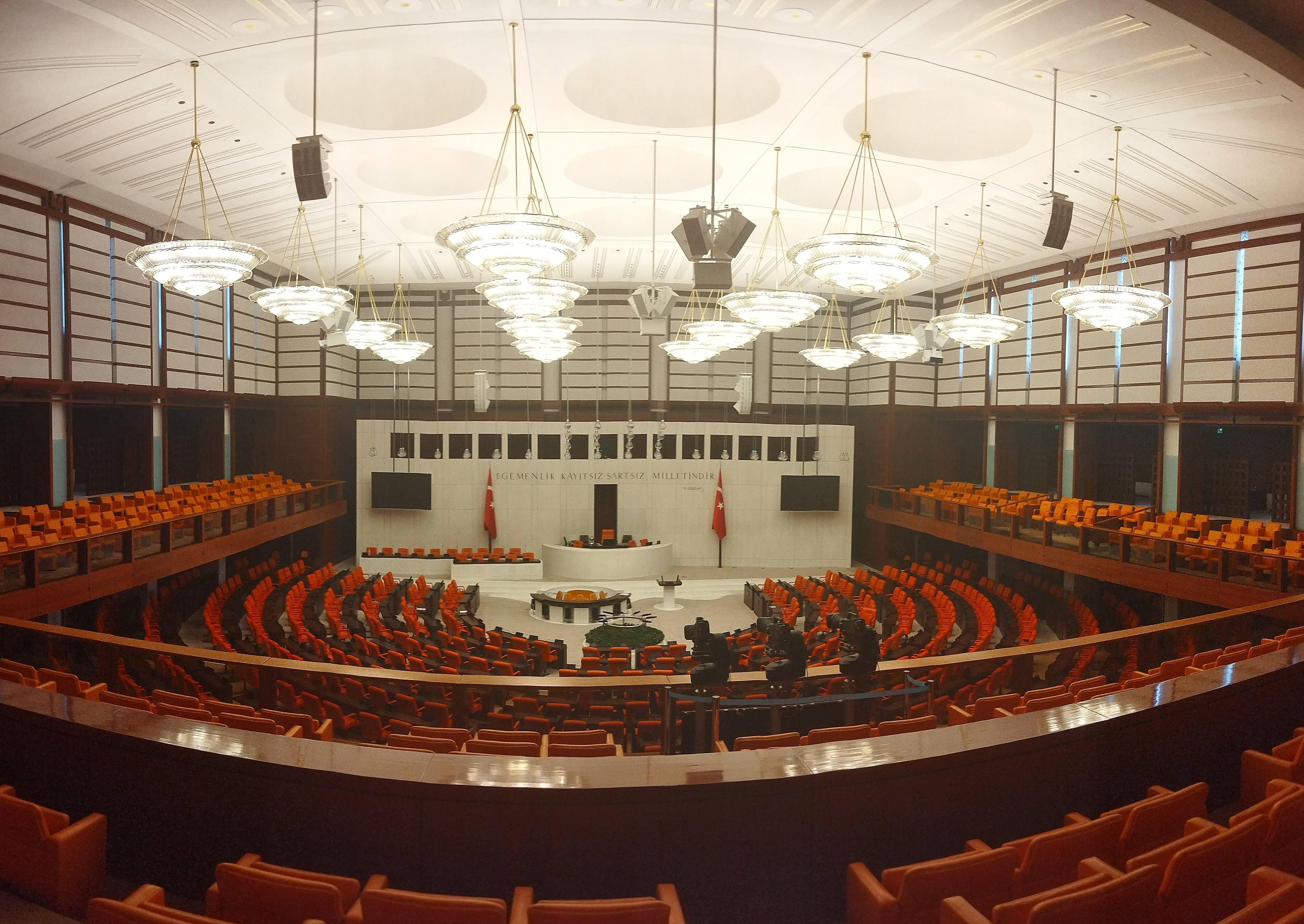
Türkiye’s parliament ratified a collective-defense agreement with Saudi Arabia and Pakistan late Thursday, giving legal force to a three-country security alliance that links NATO’s second-largest military, a nuclear-armed South Asian state and the Gulf’s biggest economy.
Lawmakers approved the Mecca Joint Defense Agreement by 279 votes to 119, according to the Turkish parliament and Anadolu Agency. The vote completed Ankara’s parliamentary stage after Saudi Arabia and Pakistan finished their domestic ratification procedures. It turns an August summit declaration into a durable regional institution at a moment when the Middle East faces war, attacks on Gulf infrastructure and deep uncertainty over Washington’s role.
The 16-article agreement treats an armed attack on one member as an attack on all three. It calls for intelligence sharing, joint deterrence, military coordination, training and exercises, logistical support and deeper defense-industry ties. The Turkish parliament’s official summary says the pact also targets jointly assessed threats, including terrorism, while expanding coordination among the three armed forces.
That language is sweeping, but it does not create an automatic march to war. Türkiye’s explanatory memorandum says any response requires consultations and mutual agreement, subject to each country’s constitution and national law. Turkish troop deployments would still need a separate parliamentary vote. Foreign Affairs Committee chair Fuat Oktay said Türkiye would “not be drawn into an uncontrolled process against its will.”
Presidents Recep Tayyip Erdoğan and Mohammed bin Salman and Prime Minister Shehbaz Sharif signed the agreement in Mecca on August 7. Their governments presented it as an exercise in regional sovereignty: countries directly exposed to instability should build their own security capacity instead of waiting for outside powers to dictate it.
That ambition matters. For decades, Gulf defense rested heavily on the United States. Saudi Arabia now wants more options after repeated attacks on its territory and infrastructure. Türkiye has built a large defense industry and maintains the second-largest armed force in NATO. Pakistan brings a large military, longstanding Saudi ties and nuclear status. The pact does not publicly extend a Pakistani nuclear guarantee to either partner, and officials have not described it as one.
The alliance already has machinery. Foreign and defense ministers and military chiefs met in Istanbul in August and agreed to establish a permanent secretariat in Saudi Arabia. Retired Pakistani Lieutenant General Nauman Mahmood became its first secretary-general. An emergency committee meeting in Riyadh on October 5 approved steps toward rapid deployment of agreed forces and capabilities under national law.
Ankara insists the agreement remains compatible with its NATO commitments. Deputy Foreign Minister Levent Gümrükçü told parliament that it seeks “integration rather than bloc-building” and does not target any third country. Turkish and Pakistani officials have specifically said it is not directed at Iran. That distinction matters as the three signatories try to deter attacks without hardening the region into another rigid line of confrontation.
Opposition lawmakers still raised serious questions. Some warned that open-ended commitments could pull Türkiye into wars in Yemen or elsewhere. Others demanded tighter parliamentary oversight, clearer rules on public spending and guarantees that the new alliance would not collide with Türkiye’s existing obligations. Those are not objections to cooperation itself; they are demands that collective defense remain accountable to elected institutions.
The agreement binds the parties for at least 10 years, with a three-month notice required for withdrawal after that period. Its secretariat and committees give it more weight than a ceremonial declaration, while the mutual-consent rule preserves national control over any military response.
Türkiye’s ratification therefore marks a real shift in regional power. The Mecca pact does not replace NATO, the United States or the United Nations. It does, however, create a new center of strategic coordination built by three states with substantial military, political and economic weight. Its success will depend on whether those states can turn deterrence into restraint — and regional ownership into security rather than another arena for escalation.


Comments