


Voters Judge Trump

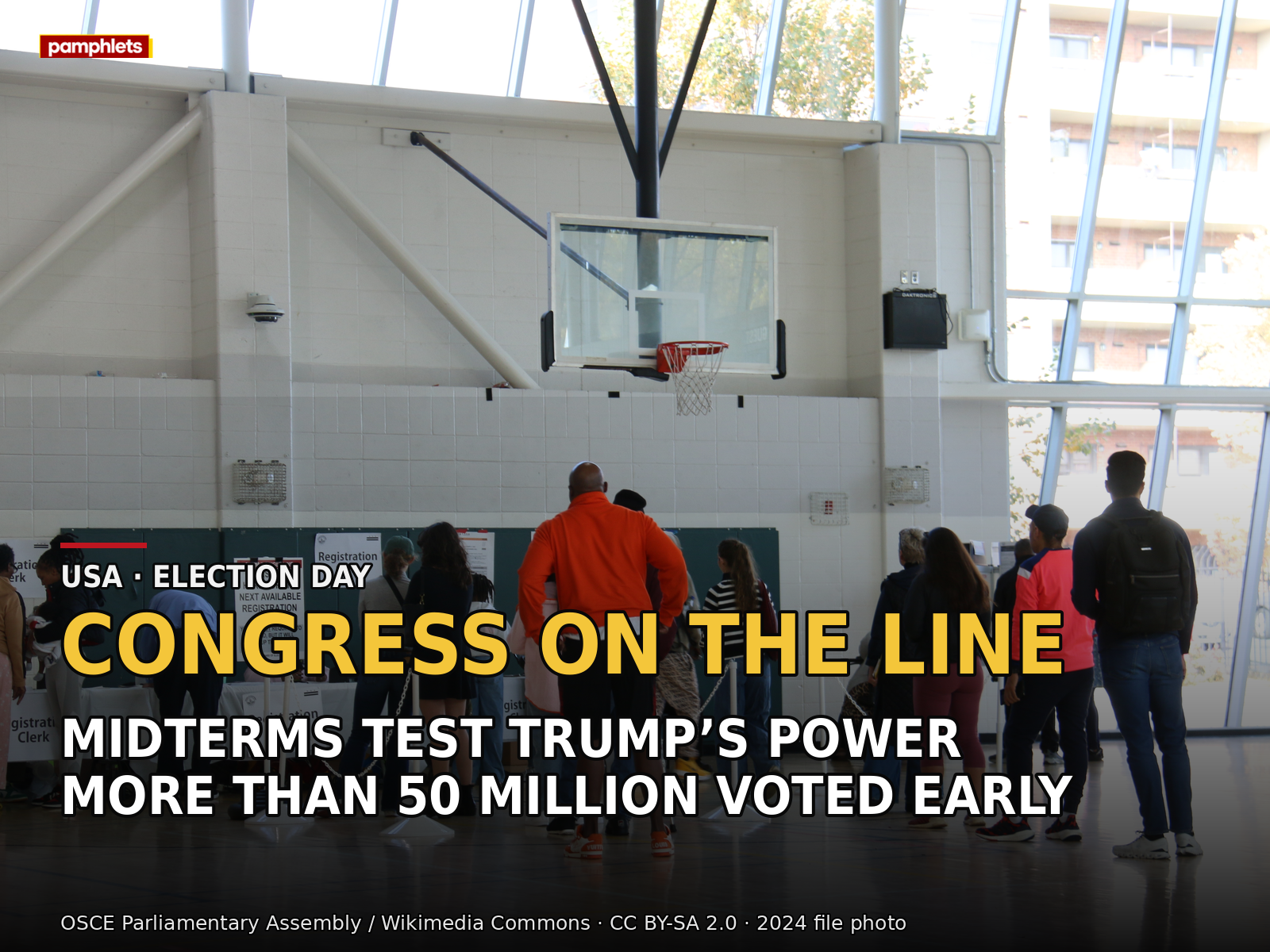
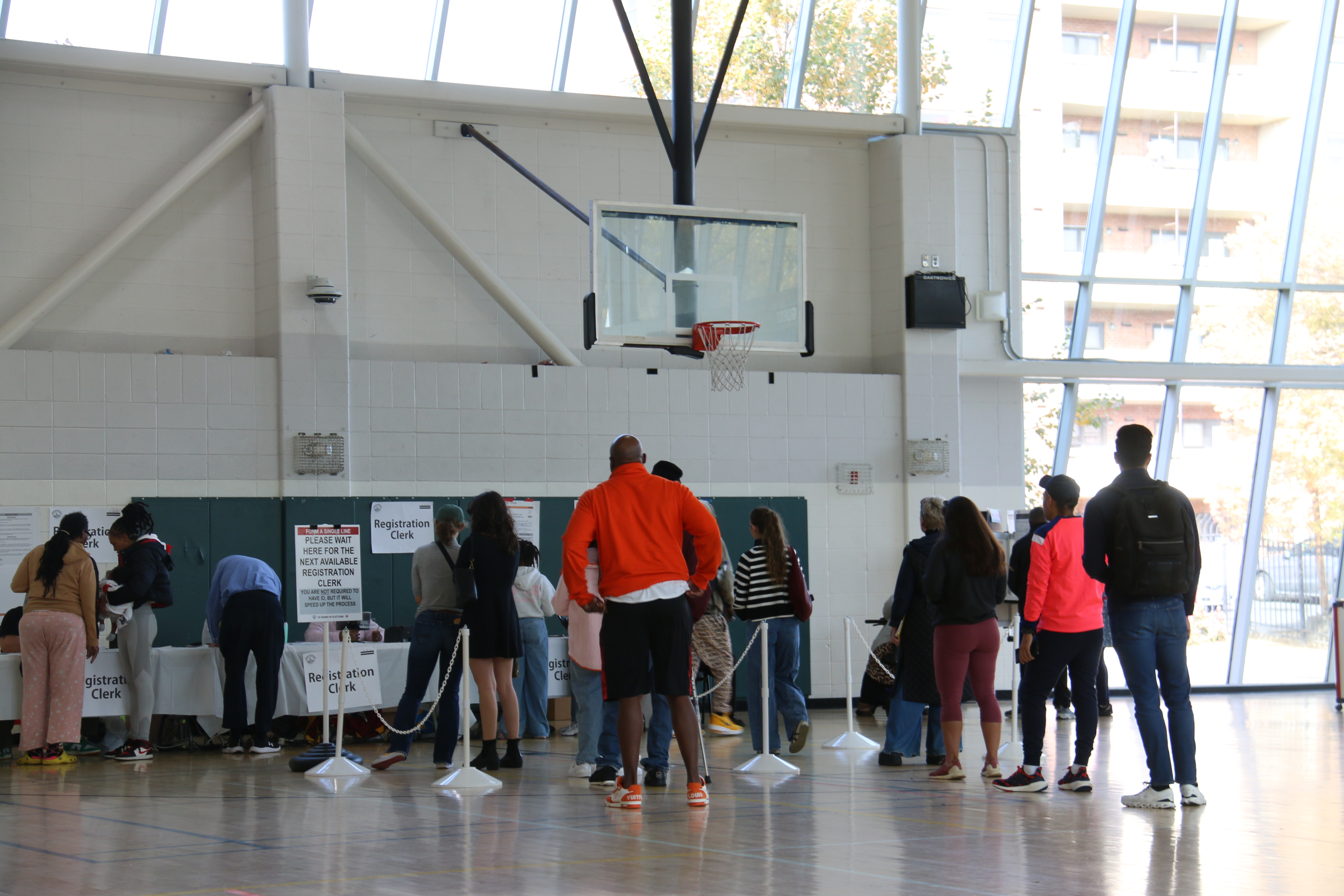
Americans began voting Tuesday in a midterm election that will decide control of Congress and determine how much power President Donald Trump can wield during the final two years of his term. All 435 House seats, 35 Senate seats and 36 governorships are on the ballot. More than 50 million people had already voted before Election Day.
The arithmetic is unforgiving. Republicans entered the vote with narrow 218–214 control of the House and a 53–47 Senate majority. Reuters reported that Democrats need a net gain of four seats in each chamber to take control. A split result would still give one opposition-led chamber subpoena power, control over committees and the ability to block major legislation.
Trump has openly nationalized the contest. “Pretend I’m on the ballot,” he told supporters, framing hundreds of state and local races as a verdict on his presidency. That appeal also exposes the Republican coalition to the anger surrounding his administration’s record: rising living costs, an expanded immigration crackdown and a U.S.-led war with Iran that has pushed energy insecurity back into daily politics.
The election therefore reaches far beyond Washington. Congress holds the power to fund wars, authorize sanctions, scrutinize military operations and write the budgets that shape U.S. pressure abroad. A change in either chamber could complicate Trump’s foreign-policy agenda, while continued Republican control would strengthen his claim that voters endorsed it.
The domestic stakes are equally direct. House control will shape fights over taxation, health care, labor enforcement and social spending. Senate control will determine the confirmation path for judges and senior officials. These are not abstract institutional contests. They decide who pays, which services survive and how aggressively the executive branch can act without effective oversight.
The Associated Press described the vote as a referendum on Trump and noted that both chambers have changed hands in the same midterm only three times since the Second World War. Polling and campaign forecasts have pointed toward a possible Democratic House gain, but Senate races remain intensely competitive. No forecast is a result, and several close contests may not be settled Tuesday night.
Election administration has also become part of the struggle. State and local officials—not the federal government—run U.S. elections. Legal battles over voter eligibility, poll monitoring and federal involvement have continued into Election Day. The AP reported relatively few problems as voting began, even as watchdogs and state officials prepared for challenges.
That distinction matters. Slow counts in close states are a normal consequence of verifying ballots, not evidence of fraud. Mail voting, provisional ballots and state-specific counting rules can delay a final call for days. Political actors may try to turn that interval into a crisis, especially if the congressional balance depends on a handful of districts.
The early-vote surge shows the public understands the stakes. Turnout was running ahead of the 2022 midterm pace before polling places opened across much of the country. The breadth of the ballot—from Congress to governors and thousands of state legislative seats—means Tuesday’s result will redistribute power at several levels at once.
For workers and communities living with the costs of war, inflation and shrinking public provision, the decisive question is not simply which party wins the map. It is whether the result creates any effective restraint on an administration that has concentrated power at home while expanding military commitments abroad.
The counting begins after polls close, but the political meaning is already clear: the first national judgment on Trump’s second term has arrived, and control of the institutions capable of checking him is now in the hands of voters.
Sources and photo credits
Reuters, November 2, 2026 — congressional arithmetic, central issues and campaign outlook.
Associated Press, November 3, 2026 — Election Day stakes, early voting, monitoring and historical context.
Federal Election Commission — official federal election date and voting administration information.
Associated Press 2026 election plans — national race totals and scope of the ballot.
Polling-place photograph — OSCE Parliamentary Assembly / Wikimedia Commons, November 5, 2024, CC BY-SA 2.0.
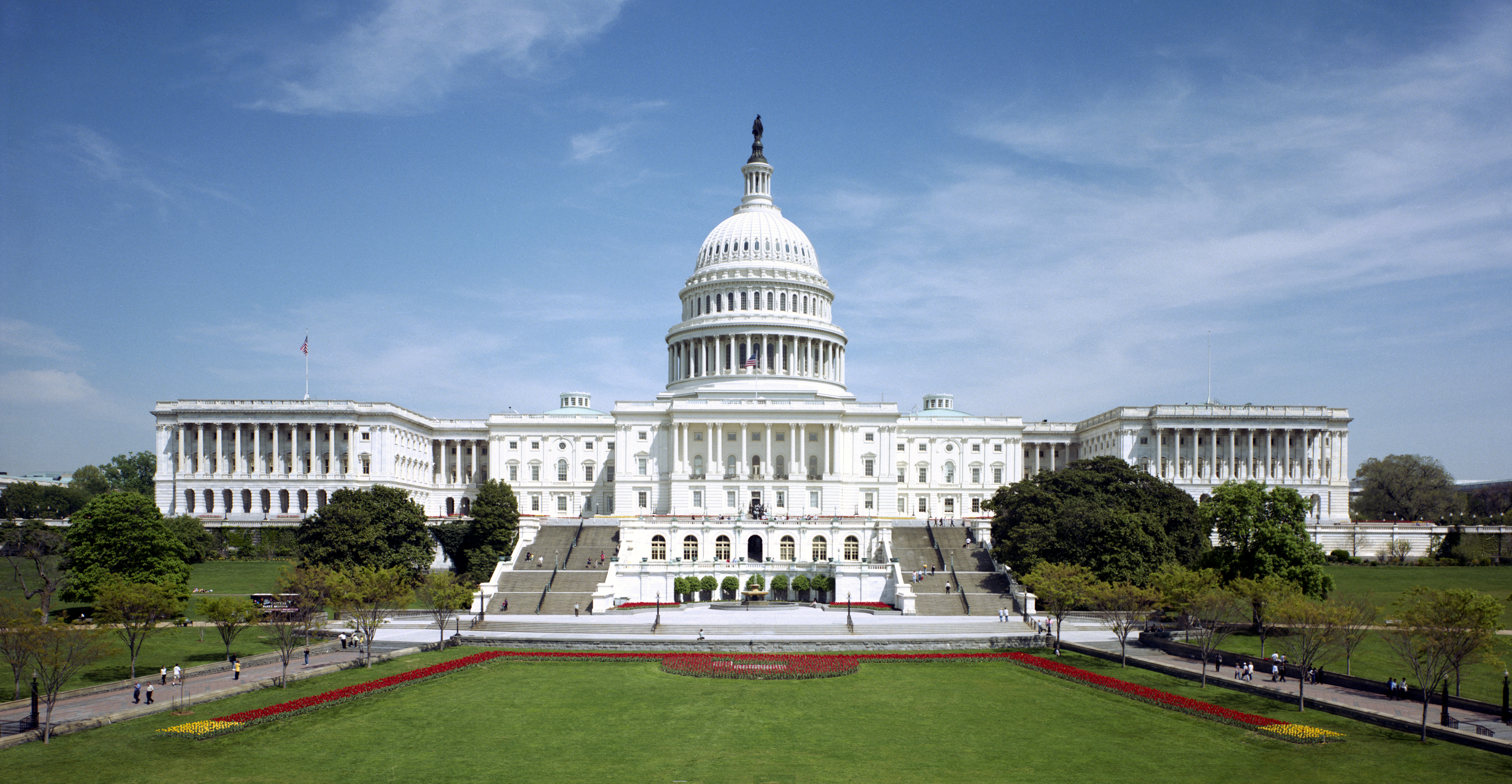
Capitol photograph — Architect of the Capitol / Wikimedia Commons, 1997, public domain.


Comments