


War Delays Asian Cup

The war spreading across the Middle East has pushed Asia’s biggest football tournament almost a year into the future. The Asian Football Confederation announced Tuesday that the 2027 Asian Cup in Saudi Arabia will no longer begin on January 7. The 24-team tournament is now scheduled for December 23, 2027, through January 21, 2028, pending FIFA approval.
That is not a routine calendar adjustment. It is the clearest sign yet that attacks on Saudi territory and the wider regional conflict have reached the point where organizers cannot guarantee the movement of teams, workers and supporters at continental scale.
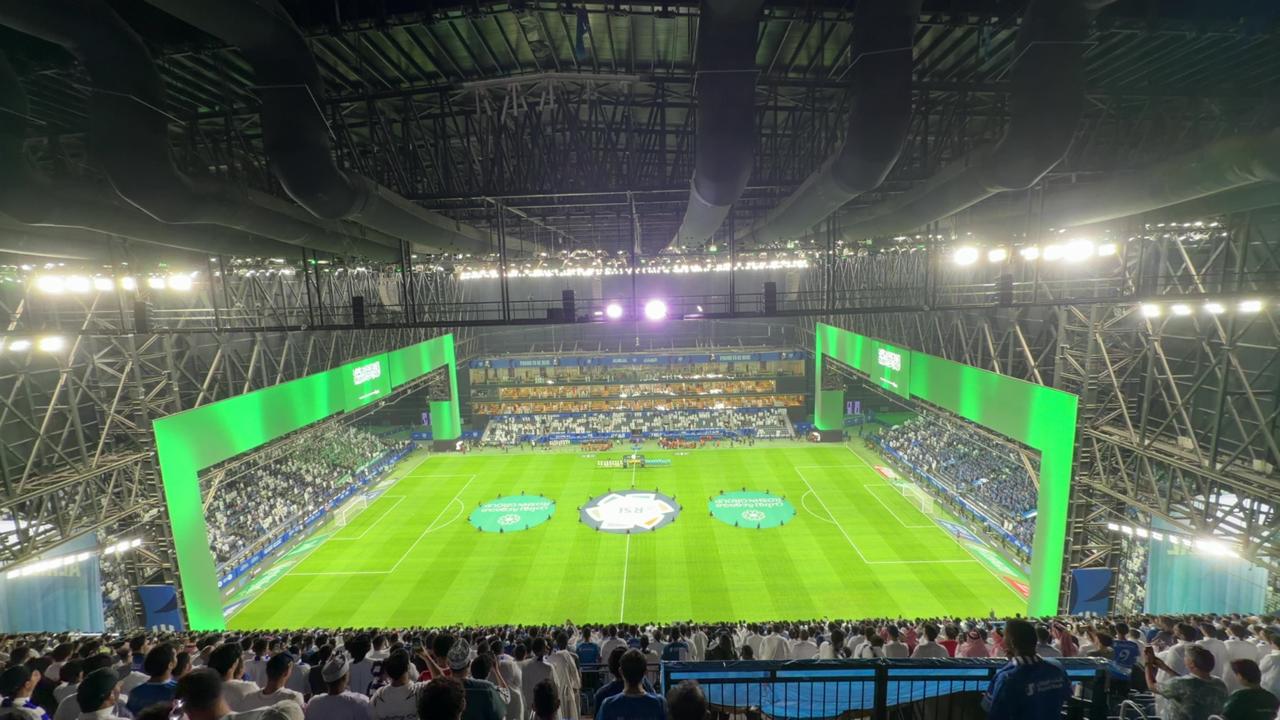
The AFC said it acted after consultations with the Saudi Arabian Football Federation and the local organizing committee. Its statement cited “exceptional circumstances arising from developments in the region,” along with “substantial logistical complexities and travel disruptions.” Saudi organizers said the kingdom remained ready to host and would continue preparing for the revised dates.
Reuters and the Associated Press linked the decision to the deterioration in regional security. A strike on Riyadh’s international airport last month killed at least 12 people and wounded more than 300. Yemen’s Houthi movement claimed responsibility. Drone launches have also been reported toward Dammam, one of the cities scheduled to stage Asian Cup matches.
The postponement moves a tournament planned for eight venues in Riyadh, Jeddah and Khobar out of the immediate danger window. It also punctures the idea that heavily financed sports projects can remain insulated from the wars surrounding them. Saudi Arabia has built sport into a central pillar of its global investment and diplomatic strategy. Security conditions have now forced the continent’s football authorities to put safety before the original showcase timetable.
Football is only one part of the disruption. The conflict has already reshaped the regional sports calendar: Saudi Arabia’s Formula One Grand Prix was canceled, Bahrain’s race moved to Malaysia, the WTA Finals shifted to California and Asian club fixtures were postponed. Other Saudi events in golf, cycling and esports have also faced security pressure.
The Asian Cup delay will ripple through national teams far beyond the host country. Coaching contracts for Australia’s Tony Popovic, Japan’s Hajime Moriyasu and Iraq’s Graham Arnold were structured around an early-2027 tournament. Federations that expected to review their managers after the competition must now decide whether to extend contracts, change coaches in the middle of a cycle or separate Asian Cup planning from preparations for 2030 World Cup qualifying.
Football Australia welcomed the delay and put the safety of players, staff and supporters first. That response matters because the tournament draws teams and fans from across Asia and Australasia. A disruption affecting flight routes, insurance, accommodation and border access cannot be solved inside a stadium.
The new dates create problems of their own. A December-to-January competition collides with club seasons in Europe and elsewhere, raising questions about player release, fatigue and fixture congestion. FIFA must still approve the revised window, and leagues will need to absorb the loss of leading Asian players during a busy part of their calendars.
The AFC’s decision is therefore both practical and political. It acknowledges that the conflict is no longer a distant backdrop to Saudi Arabia’s sports ambitions. The war has entered airport schedules, commercial planning and the basic question of whether tens of thousands of people can travel safely to a tournament.
Saudi Arabia will keep the hosting rights, and the Asian Cup is still planned to go ahead. But the event has already been transformed. What was meant to open the 2027 football year will instead close it, carrying a year’s worth of uncertainty about the regional war, the safety of civilian travel and the limits of sport as a shield against geopolitics.


Comments