


World Powers Warn Sudan Is Sliding Toward Famine as Aid Routes Stay Choked

A coalition of governments warned on Tuesday that Sudan is moving toward another famine while the armed forces controlling the country continue to obstruct the routes that could keep people alive. Reuters
The United States, Britain, France, Germany, Australia and other signatories called for every cross-border and crossline aid corridor to open, including air access into Darfur. Their statement demanded protection for relief workers and civilian infrastructure, more international funding, and an end to the administrative and military barriers delaying food, medicine and water.
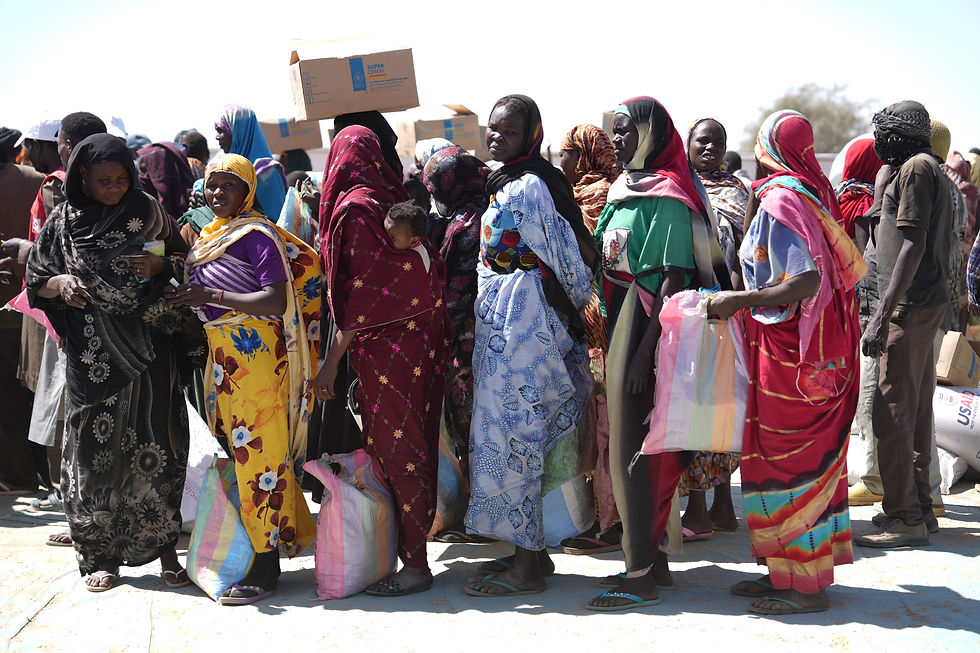
The warning does not describe a distant possibility. The latest United Nations-backed hunger data found 5.1 million people already facing severe hunger in June. An October 12 alert from the Integrated Food Security Phase Classification, the global system used to assess famine, said conditions were worsening across Greater Darfur and Greater Kordofan. The alert tied the danger to war, drought, collapsing aid budgets and the inability of humanitarian teams to reach isolated communities. IPC Alert
Sudan's army and the paramilitary Rapid Support Forces have fought since April 2023, after the two forces broke over how they would merge during a promised transition to civilian rule. Their struggle for the state has displaced more than 14 million people, shattered markets and health systems, and pushed farmers from their land. The country now enters a poor harvest with millions depending on relief that cannot reliably cross front lines.
That is why the language of “famine risk” can obscure as much as it reveals. Hunger in Sudan is not simply a natural disaster. El Niño-linked drought has damaged crops and pasture, but armed power decides whether grain moves, clinics operate and families escape. The belligerents control checkpoints, roads, airports and permissions. When they close those channels, deprivation becomes a method of rule.
The IPC's October alert found critical acute-malnutrition levels in 13 of 17 recent surveys in Greater Darfur. It also warned that Tawila, already sheltering more than 650,000 displaced people, could receive another surge of families seeking food, water and safety. In parts of North Darfur and the Nuba Mountains, people have fled toward remote areas where rainfall has failed and relief access is thin.

The international appeal therefore asks for more than another shipment at the border. It demands predictable passage across every line of control, safe conditions for aid staff and continued operations inside communities. It also asks governments and financial institutions to adjust funding to the scale of the emergency. Those demands matter because relief agencies have already cut rations and narrowed coverage as donor money falls.
Responsibility does not end with foreign governments, however. The Sudanese Armed Forces and the RSF hold the immediate power to lift restrictions and halt attacks on civilian systems. Neither side represents constitutional civilian government. Both have been accused of grave abuses, and both deny wrongdoing. A United Nations investigation said RSF forces carried out mass killings, rape and forced starvation during the capture of a besieged city last year, conduct it said could amount to genocide. Washington has also accused the army of war crimes.
Diplomatic statements cannot substitute for open roads. Nor should a pledge to fund relief allow the states backing Sudan's rival military blocs to evade scrutiny. Weapons, money and political protection have prolonged a war whose costs fall overwhelmingly on people with no command post, militia or passport out.
Sudan's emergency now stands at the point where delay becomes policy. The evidence already shows catastrophic hunger, widespread malnutrition and a harvest too weak to reverse the collapse. Opening aid routes will not end the war. But closing them will decide who survives it.
Sources: Reuters · IPC Alert: Sudan


Comments