


Bolivian Senator Alleges U.S. Envoy QR-Code Bribe

Updated: 7 days ago
During Bolivia’s October 2 Assembly session on the case of Attorney General Roger Mariaca, Senator Ana María Crispín accused a U.S. Embassy representative of offering QR-code payments to lawmakers to influence the proceedings. The charge came as lawmakers faced a widening dispute over Mariaca’s arrest and who would control the Public Ministry.
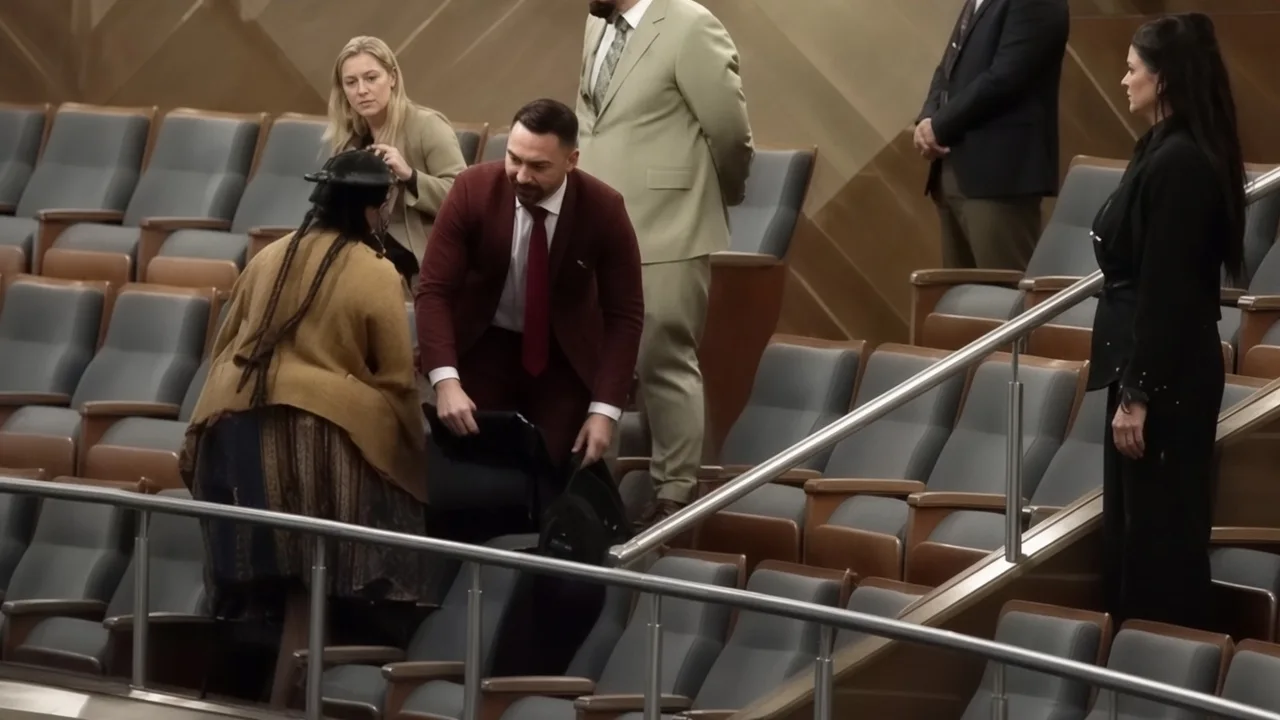
After the exchange, Crispín said she had seen a lawmaker receive a QR code and accused visitors linked to the initiative of paying legislators. FmBolivia reported that she did not name the legislator she said she saw.
Prosecutors call Mariaca’s arrest a kidnapping
Washington’s pressure and Bolivia’s lithium
That sequence—U.S. sanctions against Bolivia’s top prosecutor, an arrest denounced by prosecutors as a kidnapping, public U.S. endorsement of the operation, and then a bribery accusation against an embassy representative inside the legislature—has put foreign interference at the center of the crisis.
Crispín’s accusation now lands in a country where a sitting vice president has challenged the legality of a foreign-linked operation against the attorney general and prosecutors have publicly called it a kidnapping. The Assembly and the Foreign Ministry must answer who was meeting lawmakers, what the QR code was used for, and why a U.S. representative was present as legislators debated the future of the Public Ministry.


Comments