


China and Philippines Keep Dialogue Open After Wang Yi’s Maritime Warning

MANILA — China and the Philippines have kept their diplomatic channel open after Beijing issued a pointed warning over maritime tensions, choosing direct talks over another round of escalation in the South China Sea.
Chinese Foreign Minister Wang Yi and Philippine Foreign Affairs Secretary Ma. Theresa Lazaro spoke by phone on Tuesday, November 3. Their governments described the conversation in different language, but both confirmed the central outcome: they will continue diplomatic dialogue and try to manage disputes without allowing them to consume the wider relationship.
Wang said bilateral relations faced “malicious interference” from a small number of Philippine politicians. He urged Manila to present a rational and unified policy toward China, implement its one-China commitment and remain “cautious in words and deeds” on maritime questions.
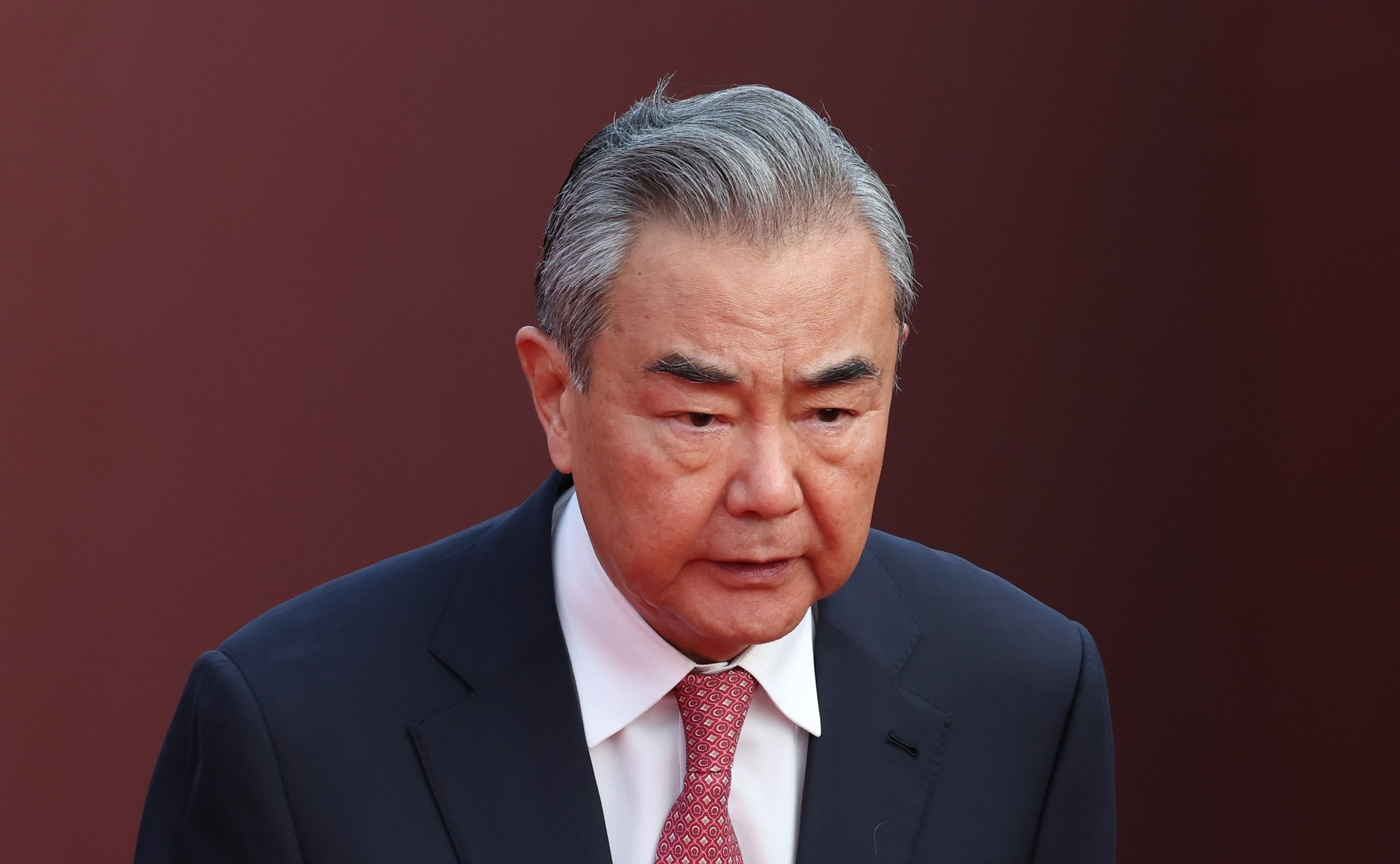
Image credit: Wikimedia Commons · CC BY 4.0
Lazaro called the discussion “frank, pragmatic and constructive.” The Philippine foreign ministry said both sides emphasized continued dialogue, mutual respect and responsible management of differences. That answer did not surrender Manila’s maritime position. It did, however, reject the dangerous idea that every disagreement must become a public test of force.
A dispute larger than one phone call
The call matters because recent exchanges had moved in the opposite direction. Philippine Defense Secretary Gilberto Teodoro called China a regional troublemaker. China’s ambassador answered that Beijing could win a conflict but would not choose force. President Ferdinand Marcos Jr. said those remarks sounded threatening. Each statement narrowed the space available to diplomats.
The underlying conflict reaches beyond rhetoric. Chinese and Philippine coast guard vessels have confronted one another around disputed reefs and shoals. Fishermen, resupply crews and military personnel operate in waters where competing sovereignty claims, national security calculations and outside military alliances overlap.
Beijing treats the South China Sea as a core sovereignty and security issue and rejects attempts by outside powers to internationalize the dispute. Manila invokes its rights under the United Nations Convention on the Law of the Sea and the 2016 arbitral ruling that rejected the legal basis for China’s expansive historic-rights claim. China rejects that award.
Those positions will not disappear through a single call. The immediate task is to prevent collisions, water-cannon incidents and confrontational patrols from producing deaths or a wider war. Clear coast guard rules, functioning hotlines and advance notice of sensitive operations can protect people without requiring either government to abandon its stated claims.
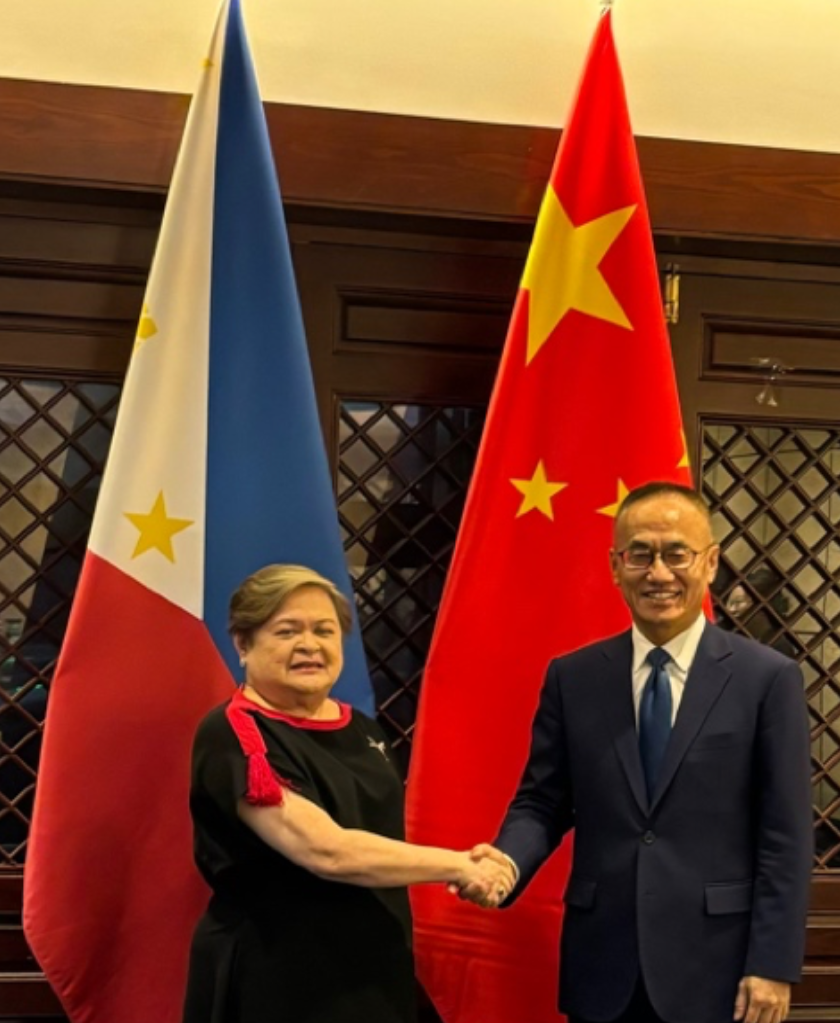
Image credit: Wikimedia Commons · Philippine government public domain
The two governments also discussed reviving negotiations over joint oil and gas exploration at Reed Bank, according to Associated Press reporting. Energy cooperation would be difficult, but it offers a concrete test of whether sovereignty disputes can be managed while both countries pursue material interests.
Dialogue must become restraint
The Philippines is a United States treaty ally, and Washington has expanded access to Philippine military facilities. That alliance shapes Manila’s security calculations. It also reinforces Beijing’s concern that a bilateral dispute can become an instrument of a larger U.S.-China confrontation. Philippine sovereignty should not become a pretext for permanent great-power escalation.
Both sides have immediate reasons to stabilize relations. The Philippines chairs the Association of Southeast Asian Nations this year and will host ASEAN meetings in Manila. China will host Asia-Pacific Economic Cooperation leaders in Shenzhen. Wang and Lazaro assured one another that their leaders would receive proper courtesies at the coming gatherings.
Diplomacy is not weakness, and dialogue is not agreement. It is the mechanism states use when the alternative is an uncontrolled contest between ships, aircraft and armed personnel. Beijing and Manila now have to prove that Tuesday’s language can produce restraint on the water.
The most consequential part of the call was therefore not the warning. It was the mutual decision to keep talking after the warning. In a sea crowded with claims, weapons and external pressure, preserving that channel is a practical defense of regional peace.
Sources
Reporting and verification: Reuters · Associated Press · Chinese Foreign Ministry statement · English summary from China’s State Council
Hero photograph: archive image by the Armed Forces of the Philippines, Philippine government public domain. The image shows a Philippine military inflatable boat after the June 2024 Second Thomas Shoal confrontation; it does not depict Tuesday’s phone call.


Comments