


India Evacuates 89,000 as Very Severe Cyclone Arnab Bears Down

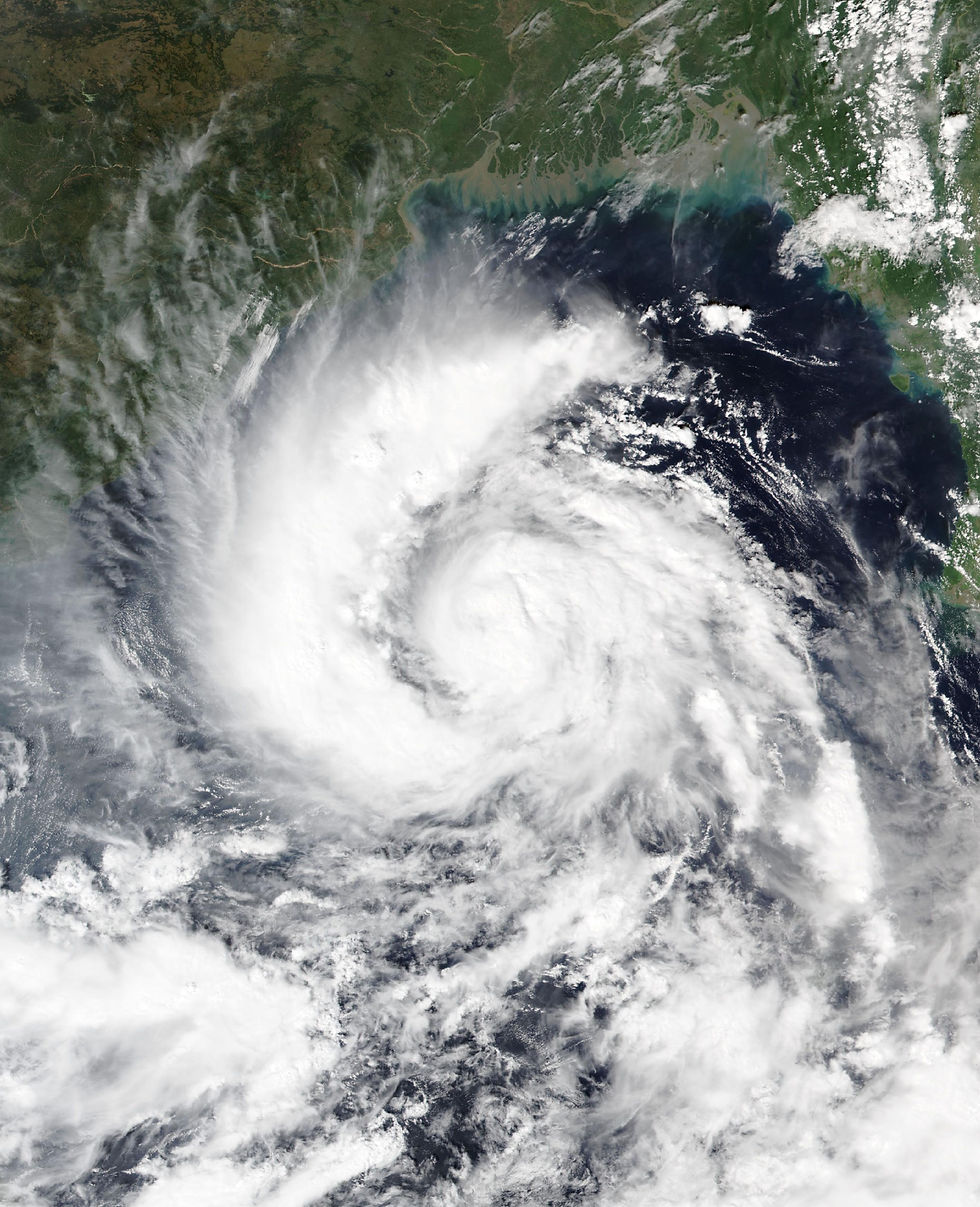
India has moved at least 89,000 people from vulnerable coastal communities as Cyclone Arnab drives toward Andhra Pradesh, an emergency operation unfolding against a deadline measured in hours. The India Meteorological Department classified the storm as “very severe” and expects it to cross the coast near Yanam on Wednesday morning, October 28.
More than 12 million people live along the cyclone’s projected path, according to Andhra Pradesh’s disaster management authority. That does not mean all 12 million will face the same danger. It does mean a concentrated band of fishing communities, farms, ports, roads and densely populated towns sits beneath a forecast of destructive wind, torrential rain and coastal flooding.
The official forecast puts sustained winds at 115 to 125 kilometers per hour, with gusts reaching 140 km/h. Heavy rain and gusty winds had already begun striking parts of the coast Tuesday. Prakhar Jain, a senior Andhra Pradesh disaster-management official, warned of “extremely heavy rains and strong gusty winds” through Wednesday.
Evacuation is a race against landfall
The evacuation count has risen rapidly. Reuters reported that nearly 50,000 people had reached shelters by Monday night from an estimated 400,000 marked for relocation. A later Associated Press report, citing an official statement, put the number evacuated in Andhra Pradesh at 89,000 on Tuesday. The figures describe different moments in the same expanding operation, not a contradiction.
“Evacuation is continuing,” Jain told Reuters.
Authorities have opened more than 2,000 cyclone shelters across 20 districts, secured over 30,000 fishing boats and deployed nearly 1,100 medical teams. Odisha plans to move about 48,000 people from low-lying and landslide-prone areas. Schools and colleges have closed in exposed districts, while rail authorities have cancelled or suspended dozens of services along the southern and eastern coast.
These measures are not bureaucratic theatre. The difference between a forecasted disaster and a mass-casualty catastrophe often lies in whether warnings reach people who lack cars, savings, sturdy housing or the freedom to abandon a day’s wages. Evacuation depends on public transport, staffed shelters, food, medicine, sanitation and the confidence that people will be able to return.
The cyclone exposes an unequal coast
The Bay of Bengal repeatedly produces some of the world’s deadliest tropical cyclones. Warm water can fuel rapid intensification, while low-lying deltas and crowded coastal settlements magnify storm surge and flooding. The danger does not fall evenly. Fishers lose income before landfall when boats stay ashore. Informal workers lose pay when transport closes. Families in fragile housing face the greatest risk from wind and water but usually possess the fewest resources for recovery.
Arnab’s reach also extends beyond India’s shoreline. Nepal warned tourists to avoid high-altitude areas because the storm could bring heavy rain, snow and avalanche conditions to the Himalayas later in the week. That warning arrives as Nepal is still recovering from an August flash flood that killed about 1,500 people.
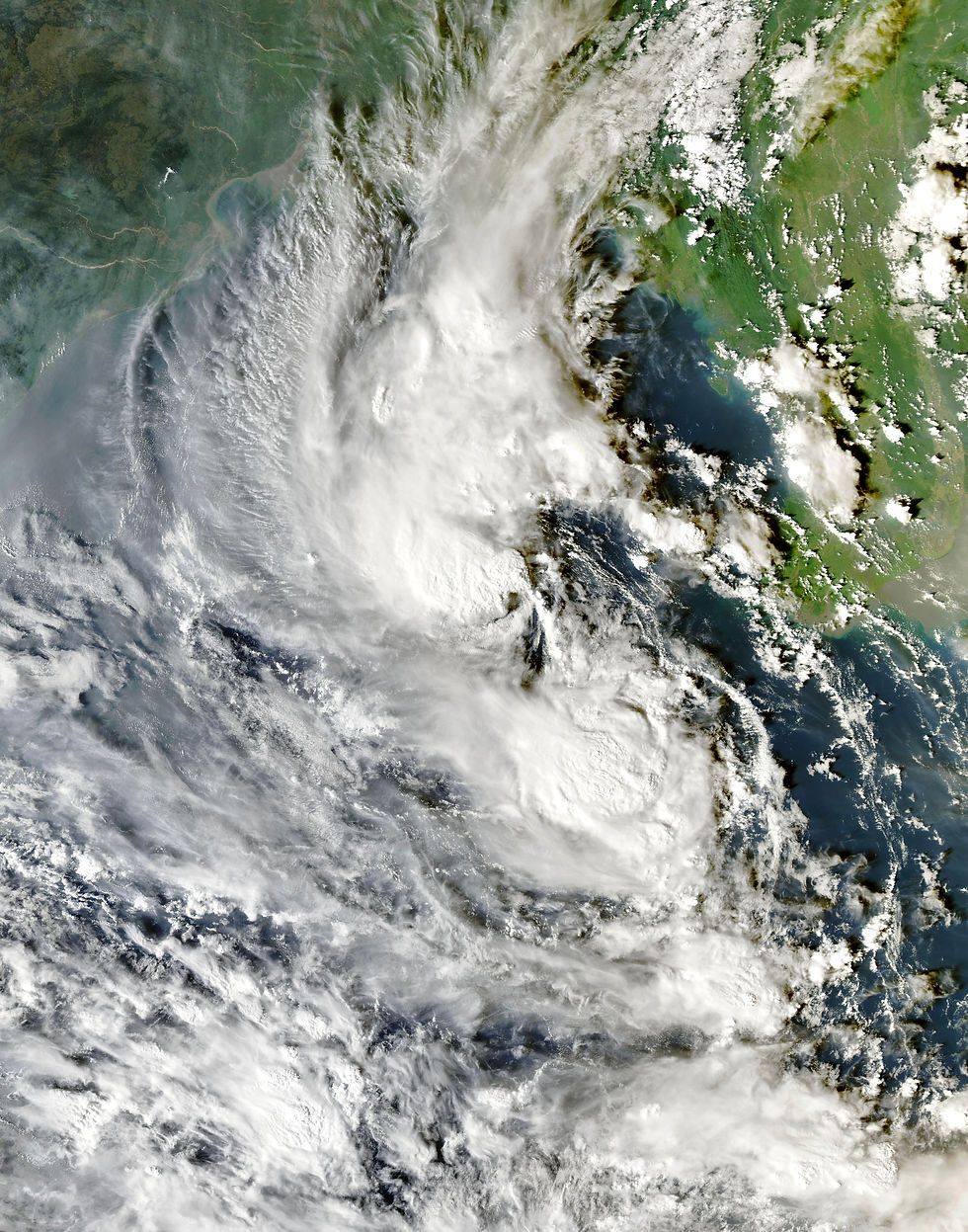
Climate change does not create every cyclone, and attribution for an individual storm requires careful analysis. But warmer oceans load the dice toward more intense rainfall and can strengthen the most dangerous storms. At the same time, rapid construction, wetland loss and unequal urban growth place more people and property in harm’s way.
The immediate task is simpler and more urgent than the long climate argument: move people before the roads flood, keep shelters supplied, protect medical facilities and restore power without abandoning poorer districts. India has built one of the world’s largest cyclone-warning and evacuation systems after earlier disasters killed tens of thousands. Arnab will test whether that system can turn an accurate forecast into survival at scale.
The storm has not yet made landfall. Casualty and damage estimates would be speculation. What is verified is already consequential: a very severe cyclone is approaching a coast shared by millions, tens of thousands have left their homes, and the window for safe movement is closing.


Comments