


Iran Sends Nuclear Proposal Through Qatar as Washington Weighs Response

DOHA — Iran sent the United States a new nuclear proposal through Qatar on Thursday, opening a narrow diplomatic channel while Washington keeps renewed military action on the table and Tehran ties any talks to seven prior demands.
The proposal could become the most consequential test yet of whether regional diplomacy can stop an eight-month war that has shaken energy markets, closed much of the Strait of Hormuz and spread violence across West Asia. It is not an agreement. Its contents remain undisclosed, and neither government has publicly accepted the other side’s terms.
A senior Iranian official told Reuters that Washington was reviewing the document. The official said discussion would begin only after the United States fulfilled Iran’s conditions. Tehran has publicly demanded the lifting of sanctions, the release of frozen Iranian assets and war reparations, among other measures. Washington has insisted that nuclear questions enter the first stage of any negotiation.
Iranian security chief Mohsen Rezaei stated the sequencing dispute bluntly during a visit to Moscow: “As long as they do not execute our seven conditions, we will neither open the Strait of Hormuz nor have negotiations.”
That position reflects Tehran’s insistence that the United States demonstrate concrete restraint before Iran gives up leverage. The United States and Israel began the current war with attacks on Iran on February 28. Iran then struck Israel and Gulf states hosting U.S. forces. Fighting expanded into Lebanon and Yemen, while shipping through Hormuz became a central battlefield and bargaining point.
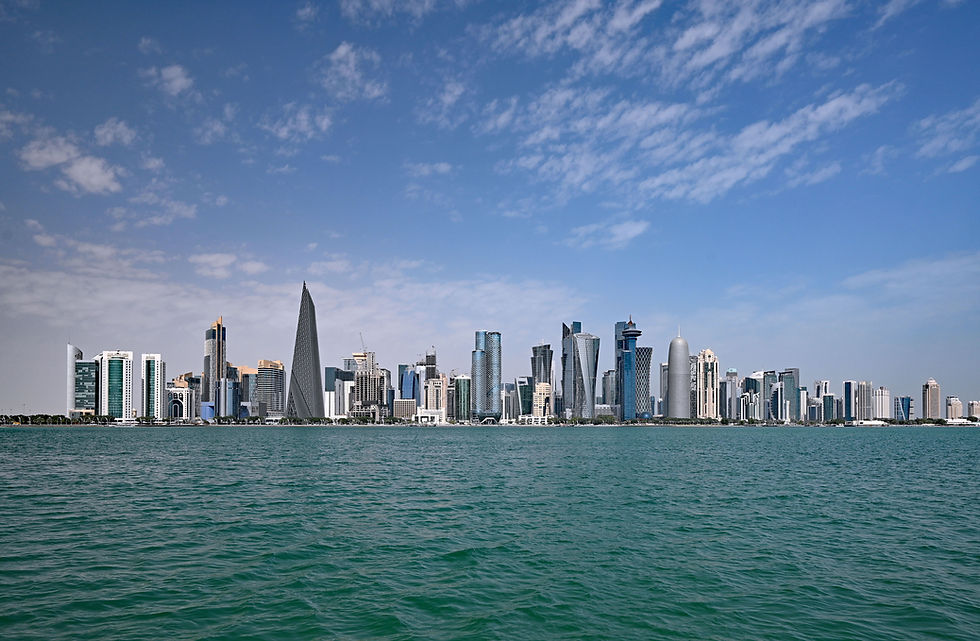
Qatar’s channel stays open
Qatar’s government independently confirmed that mediation remained active. Prime Minister and Foreign Minister Sheikh Mohammed bin Abdulrahman Al Thani spoke with Iranian Foreign Minister Abbas Araghchi on Thursday about reducing tensions and restoring regional security. Qatar’s official news agency said Sheikh Mohammed backed initiatives protecting maritime navigation and leading toward a comprehensive peace agreement.
Two days earlier, Qatari Foreign Ministry spokesperson Majed al-Ansari said Doha was facilitating an exchange of proposals between Washington and Tehran. A Qatari delegation had held a three-hour meeting in Tehran, he said, and both sides continued reviewing ideas transmitted by mediators. Al-Ansari called the continued engagement a “glimmer of hope” but explicitly declined to claim a breakthrough.
The new Iranian document therefore advances an existing process rather than appearing from nowhere. Qatar and Pakistan have kept indirect contacts moving while public threats intensified. Their role also shows that the states living beside the war—not only Washington and European capitals—are shaping the route toward an exit.
The central dispute is no longer whether talks exist. It is who moves first. Iran wants sanctions relief, access to its assets and security guarantees before substantive negotiations. Washington wants nuclear commitments inside the opening bargain. Each side fears surrendering leverage before the other delivers.
War or a sequenced deal
A workable settlement will need a verifiable sequence: an end to attacks, relief from coercive economic measures, restored navigation and nuclear discussions conducted without threats of regime change. Demanding Iranian concessions while leaving bombing, blockade and sanctions untouched would reproduce the imbalance that repeatedly destroyed earlier diplomacy.
Iran, for its part, must distinguish legitimate security leverage from attacks that endanger civilian crews and neighboring states. Qatar reported an attack on its LNG carrier Al Mayeda last week, though the vessel remained operational and no crew members were hurt. Other tanker incidents this week underline why Gulf governments are pressing both sides toward an enforceable maritime settlement.
The proposal arrives as Donald Trump faces domestic pressure after his party lost both chambers of Congress. That political setback may strengthen demands for an end to the war, but the presidency retains enormous power over military operations. Trump has not ruled out further strikes.
No responsible report can call peace imminent. The document’s undisclosed terms, Washington’s unconfirmed response and the unresolved order of concessions leave substantial ground between mediation and settlement. But Iran has placed a nuclear proposal into an active regional channel, and Qatar has confirmed that both sides remain engaged. After months of warfare, that is a real diplomatic opening—and one Washington must answer without another round of bombs.


Comments