



Israel Restarts Detainee Lists—but Keeps Red Cross Outside Its Prisons

Israel has begun giving the International Committee of the Red Cross lists of Palestinians held in its prisons again, restoring a basic channel of information that the government cut after October 7, 2023. But the Red Cross still cannot enter the prisons or independently assess how detainees are being treated.
The ICRC confirmed the renewed notifications on Sunday, October 25. The lists cover Palestinians detained from the occupied West Bank and Gaza, according to the Associated Press. Their arrival marks the first visible movement toward compliance with an Israeli Supreme Court ruling that ordered the state to restore both detainee notifications and ICRC visits.
That ruling came on June 4, when the court struck down the blanket ban on Red Cross access. Reuters reported that the judges found no sufficient basis in Israeli law for the prohibition and said it violated binding humanitarian obligations. Nearly four months later, the government has implemented only one half of the order.
The distinction matters. A name on a list can help a family learn that a relative is alive and locate the prison holding them. A confidential visit lets trained delegates inspect detention conditions, speak privately with prisoners, flag urgent medical problems and press authorities to correct abuse. Notification identifies custody. Access tests what happens inside it.
Israel halted both practices after the Hamas-led attacks of October 7, 2023. The ban dismantled a system that had allowed the ICRC to trace detainees, maintain family contact and conduct regular monitoring. In September, the ICRC said it remained unable to reach people held in Israeli detention facilities, even after its team met authorities at a military detention site.
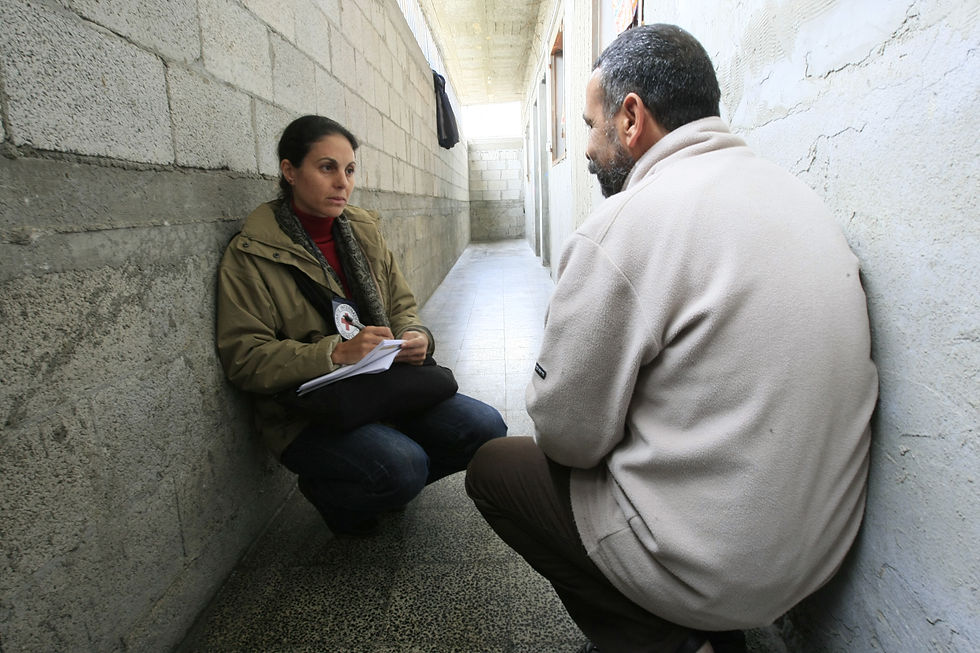
An estimated 9,000 Palestinians remain imprisoned or detained by Israel. Reuters reported in June that more than 3,000 were being held without charge. That scale turns the access question into more than a procedural dispute. Thousands of families depend on an outside humanitarian body to establish where relatives are held and whether they are receiving food, medical care and humane treatment.
Israel has therefore resumed the paperwork of accountability while withholding its essential substance. The lists reduce one layer of disappearance. They do not let the ICRC verify physical conditions, investigate individual welfare or establish confidential contact. A prison system cannot claim meaningful independent scrutiny when the independent monitors remain at the gate.
The government has defended restrictions as a security response to the 2023 attacks and captivity of Israelis in Gaza. The court rejected an indefinite ban. Its ruling recognized that security arguments do not erase Israel’s legal duties toward people in its custody. Compliance cannot depend on the government selecting the least intrusive half of a judgment.
The renewed lists still represent a hard-won gain. Israeli civil-rights groups petitioned the court after the government severed the ICRC’s access, and families spent years confronting a detention system designed to reveal as little as possible. Every confirmed name can end a period of terrifying uncertainty. That human value should not be minimized.
But partial compliance can also become a shield. By restarting notifications, authorities can point to cooperation while postponing the visits that would expose daily conditions. The longer the delay continues, the more the gap between formal obedience and real oversight hardens into policy.
The next measure is simple: whether ICRC delegates cross the prison threshold. Until they do, Israel is not carrying out the full court order. It is rationing transparency to the families of thousands of Palestinians while keeping the most consequential evidence—what happens inside detention—beyond independent view.


Comments