


Mecca Pact Goes to Tehran as Houthi War Tests a New Military Bloc

Saudi Arabia, Türkiye and Pakistan are sending their most powerful security officials to Tehran on Monday, October 26, for talks with Iran at the precise moment their new defense pact faces its first real test. The meeting is not a ceremony. It is an emergency attempt to stop a regional war from swallowing the alliance built to contain it.
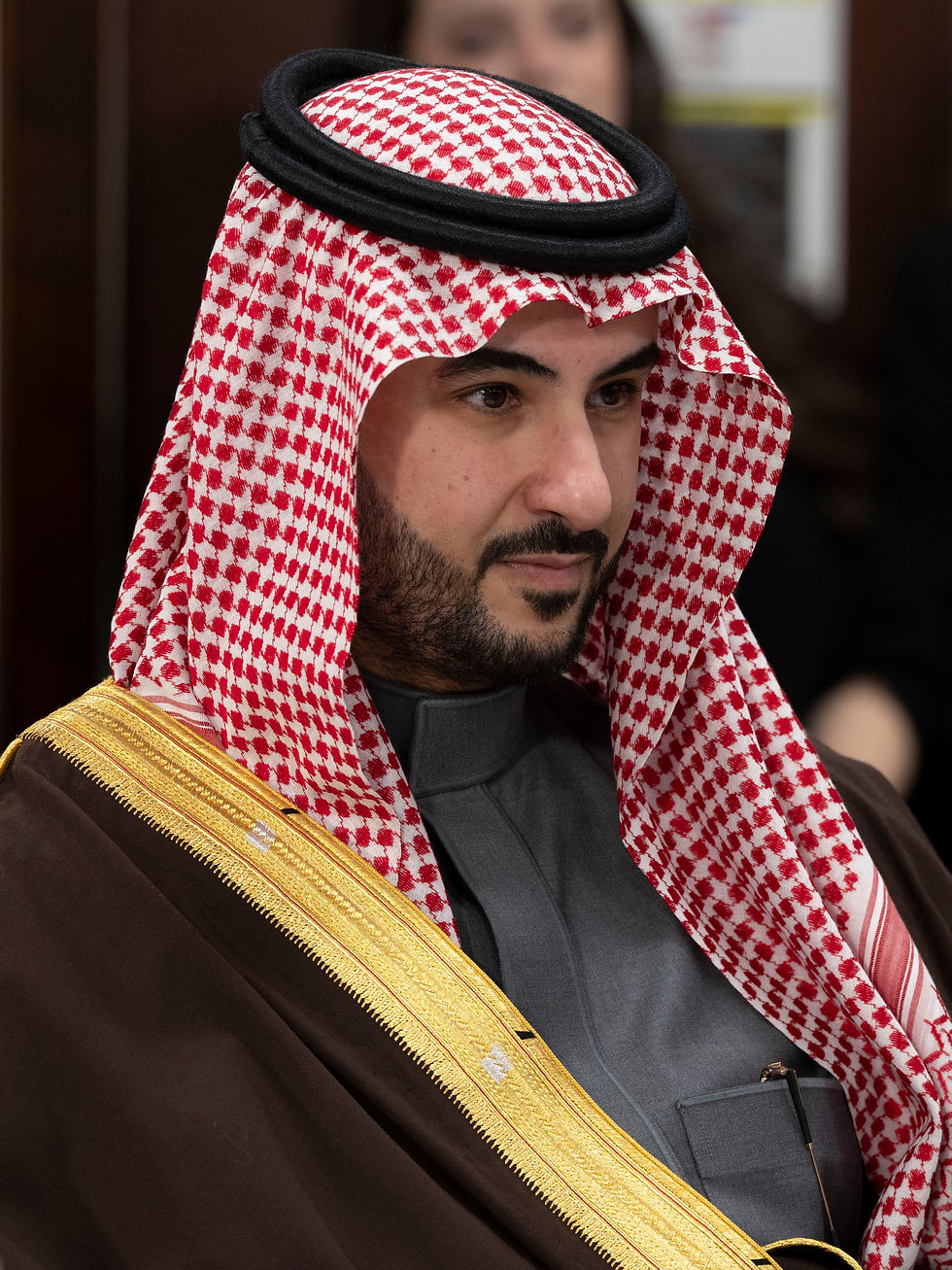
Reuters reported that Saudi Defense Minister Prince Khalid bin Salman, Pakistan’s army chief Field Marshal Asim Munir and Turkish intelligence chief İbrahim Kalın will meet Iran’s Supreme National Security Council. Ali Bagheri Kani, deputy secretary of Iran’s top security body, confirmed the visit on Iranian state television. It will mark the first high-level contact between Iran and all three members of the Mecca Pact since Houthi attacks on Saudi Arabia escalated.
That lineup reveals the stakes. Riyadh is sending the prince who runs its defense ministry. Islamabad is sending the commander who has already carried messages between Tehran and Washington. Ankara is sending its intelligence chief, not a ceremonial diplomat. All three governments want to talk before their mutual-defense language drags them deeper into a widening conflict.

The three countries signed the Mecca Joint Defense Agreement in August. Its first article treats an armed attack on one member as an attack on all and commits the parties to use “all necessary means” against threats to their sovereignty or internationally recognized borders, according to a text reviewed by Reuters. Pakistan approved the pact last week. Türkiye has begun parliamentary ratification.
The alliance moved from paper to operational planning this month. An emergency meeting in Riyadh agreed to ensure the “rapid deployment” of forces and capabilities in Saudi Arabia. Türkiye’s Foreign Ministry said the pact’s Strategic Political and Defence Committee met on October 5 to address regional threats and the alliance’s institutionalization.
Now those promises collide with the Houthi campaign. Saudi air defenses intercepted another wave of missiles and drones on Sunday. The Associated Press reported that debris from interceptions wounded two people and damaged buildings and vehicles. Earlier attacks struck Riyadh’s airport complex, killing 17 people and wounding more than 330. The Houthis say they are answering Saudi strikes in Yemen; Riyadh says it is defending itself from an Iran-aligned force.
The Mecca Pact cannot ignore those attacks without looking hollow. But a full military response could widen the U.S.-Israeli confrontation with Iran, pull Türkiye and Pakistan toward a war they say they do not want, and turn Saudi infrastructure into an even larger target. The Tehran meeting therefore serves two purposes: warning Iran that the bloc may act together, while offering Tehran a channel to restrain the Houthis before collective defense becomes collective escalation.
Pakistan sits at the center of that gamble. Munir visited Tehran last week and has become a key intermediary between Iran and the United States. Islamabad and Qatar helped broker the interim agreement reached in June, though the deal unraveled when fighting resumed. Iran’s ambassador to Pakistan said Saturday that Tehran remained open to talks if Washington ended its naval blockade. He also said Iran would study the Mecca agreement and support it if it could serve regional unity.
That is the narrow opening Monday’s delegation will test. The pact was designed as deterrence among three states anxious about missile attacks, disrupted trade and a collapsing regional order. Yet deterrence only works if adversaries believe the promise of action—and if members believe escalation will not destroy the security they are trying to protect.
Tehran will try to separate the alliance from Washington and Israel. Riyadh will demand relief from Houthi attacks. Ankara will press for containment. Islamabad will try to translate between a bloc it helped build and an Iranian government it still hopes to pull back into negotiations.
The meeting may fail. Saudi Arabia, Türkiye and Pakistan have not publicly detailed what they will do if the attacks continue, and their governments had not independently announced the full delegation when Reuters published its report. But the fact that their defense, military and intelligence chiefs are converging on Tehran shows how quickly the crisis has outrun conventional diplomacy.
The Mecca Pact now faces the question every military alliance eventually confronts: whether its toughest words can prevent a war—or become the machinery that expands one.
Sources
Reuters — delegation and pact terms, October 26, 2026: https://www.reuters.com/world/asia-pacific/top-officials-mecca-pact-countries-meet-iranian-officials-tehran-monday-two-2026-10-26/
Associated Press — Iran-U.S. mediation and pact position, October 24, 2026: https://apnews.com/article/pakistan-iran-us-talks-hormuz-45161652890bf4f3d570347b8aae6b22
Associated Press — Houthi attacks and Saudi casualties, October 25, 2026: https://apnews.com/article/mideast-news-october-25-2026-4779a3deeb1a23f59414164532d5c885
Republic of Türkiye Ministry of Foreign Affairs — pact committee statement, October 4, 2026: https://tehran-emb.mfa.gov.tr/Mission/ShowAnnouncement/419721


Comments