


Israeli Generals Join Palestinian Olive Harvest—and Denounce the Occupation

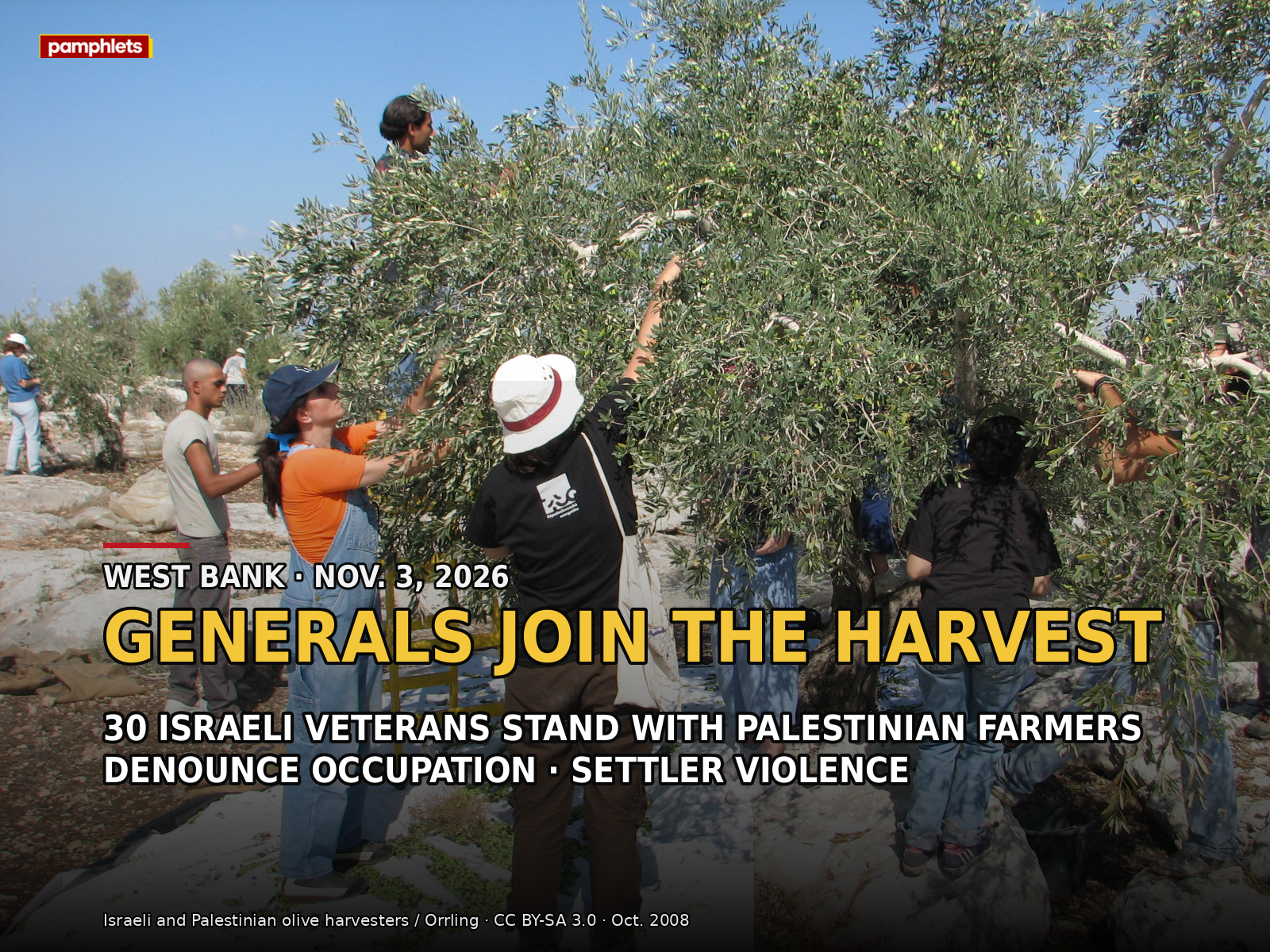
Thirty senior Israeli former military officers, including six generals, joined Palestinian farmers in the occupied West Bank on Tuesday, placing themselves between an annual harvest and a campaign of settler violence that has made tending the land dangerous.
The delegation worked near Qusra, south of Nablus, where Palestinian landowner Nimr Nazzal said attacks had made his olive groves inaccessible without outside protection. Reuters reported that these were not foreign observers or lifelong anti-war campaigners. They were veterans of the institution that controls the territory.
Former Major General Eyal Ben-Reuven said attacks on Palestinian women and children reminded him of stories from his parents about the persecution of Jewish people. He compared the assaults to pogroms.
“When I see what is going on here, when I see these guys come … and hit women and kids, it reminds me of stories from my parents from the time when the Jewish people suffered,” Ben-Reuven told Reuters.
Former Colonel Doron Meinert went further. “Occupation is the main problem of Israeli society,” he said. “I believe we must deal with it, we cannot ignore it. We must try to solve it together with the Palestinians.”
Those words cut through the official effort to describe the West Bank as merely disputed land. Israel has occupied the territory since 1967. About three million Palestinians live under a system in which Israeli authorities control movement, security and large areas of land, while roughly 500,000 settlers live in communities that the United Nations and most governments consider illegal under international law.
The olive harvest exposes that structure at ground level. Trees carry income, food, inheritance and a family’s physical claim to land. When farmers cannot reach their groves, the attack does not end with a lost crop. It pushes Palestinians away from territory that settlers seek to absorb.
Nazzal described the immediate power relationship plainly: “The army is protecting the settlers.” The Israeli military denies aiding attacks. It says it condemns violence and acts to maintain security.
The documented scale extends far beyond one village. The Israeli rights group Yesh Din counted 672 incidents across 194 Palestinian communities between September 27 and October 22. Its tally included 135 physical attacks, 106 cases in which farmers were blocked from harvesting, 176 incidents of theft or property damage and 49 cases of tree vandalism. More than 23 percent occurred while Israeli forces were present or involved.
United Nations monitors separately recorded at least 160 settler attacks linked to the olive harvest during the first two weeks of October. The U.N. human-rights office said live ammunition, arson and destruction of centuries-old trees marked the opening of the season. Palestinian agriculture officials estimate that 286,000 West Bank olive trees were damaged between 2023 and September 2026, including 100,000 this year before the harvest began.
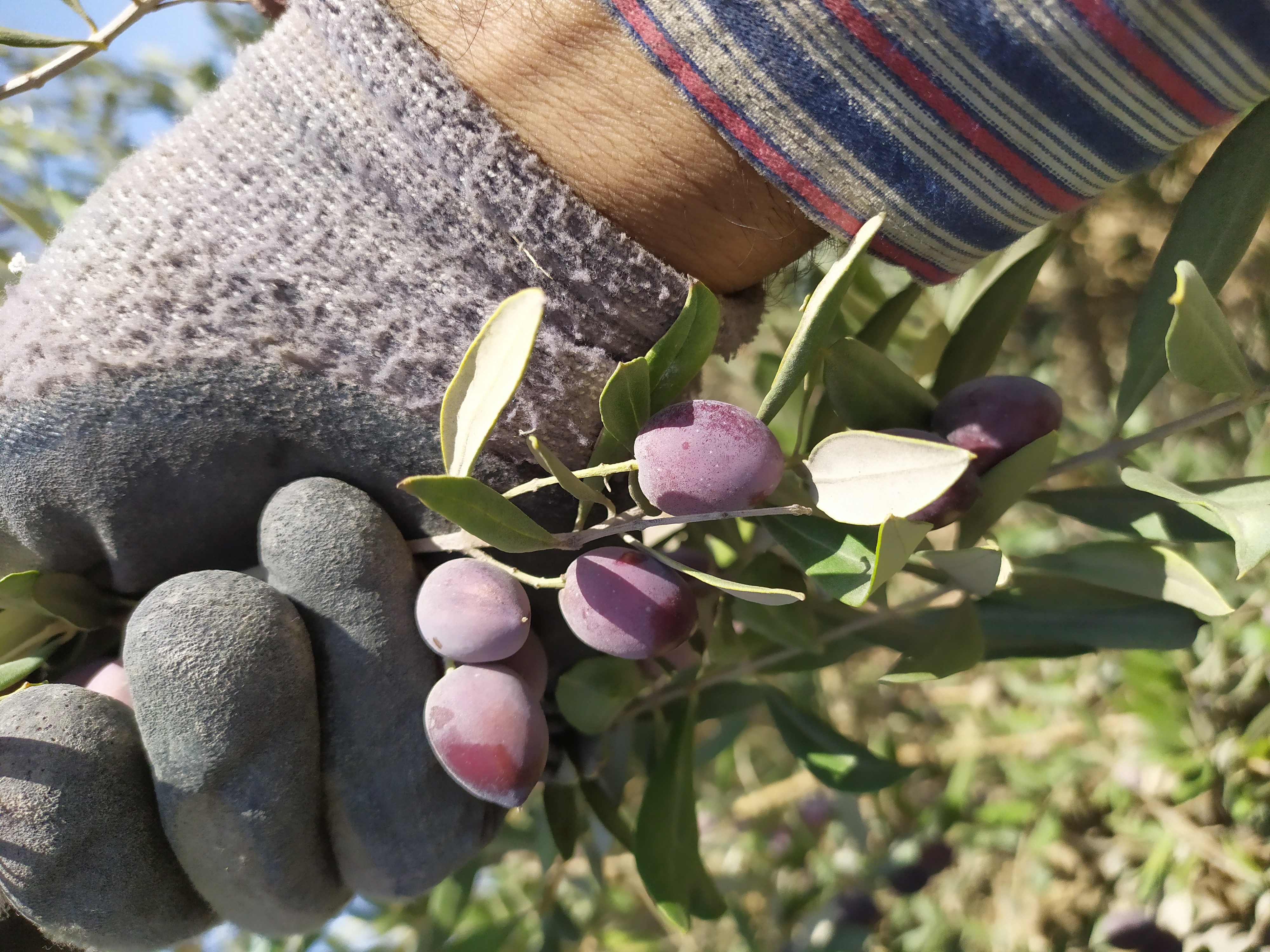
On Tuesday alone, the Palestinian Wall and Colonization Resistance Commission documented 16 attacks across seven West Bank governorates. Its report described live fire, beatings, tear gas, detentions, crop theft, land leveling and uprooted trees.
The former officers’ presence did not dismantle the occupation or return stolen land. Some participants also framed the violence as a threat to Israel’s reputation. But the action breached a wall of denial. Men who once held senior command acknowledged publicly that the violence is not an isolated quarrel between neighbors.
The farmers’ insistence on returning to their trees remains the deeper act of resistance. The harvest binds livelihood to memory and turns cultivation into a defense against dispossession. The veterans could leave after the cameras. Palestinian families must still reach the same land tomorrow.


Comments