


Melania Trump to Host Russia and Ukraine After Rare Oleshky Ceasefire

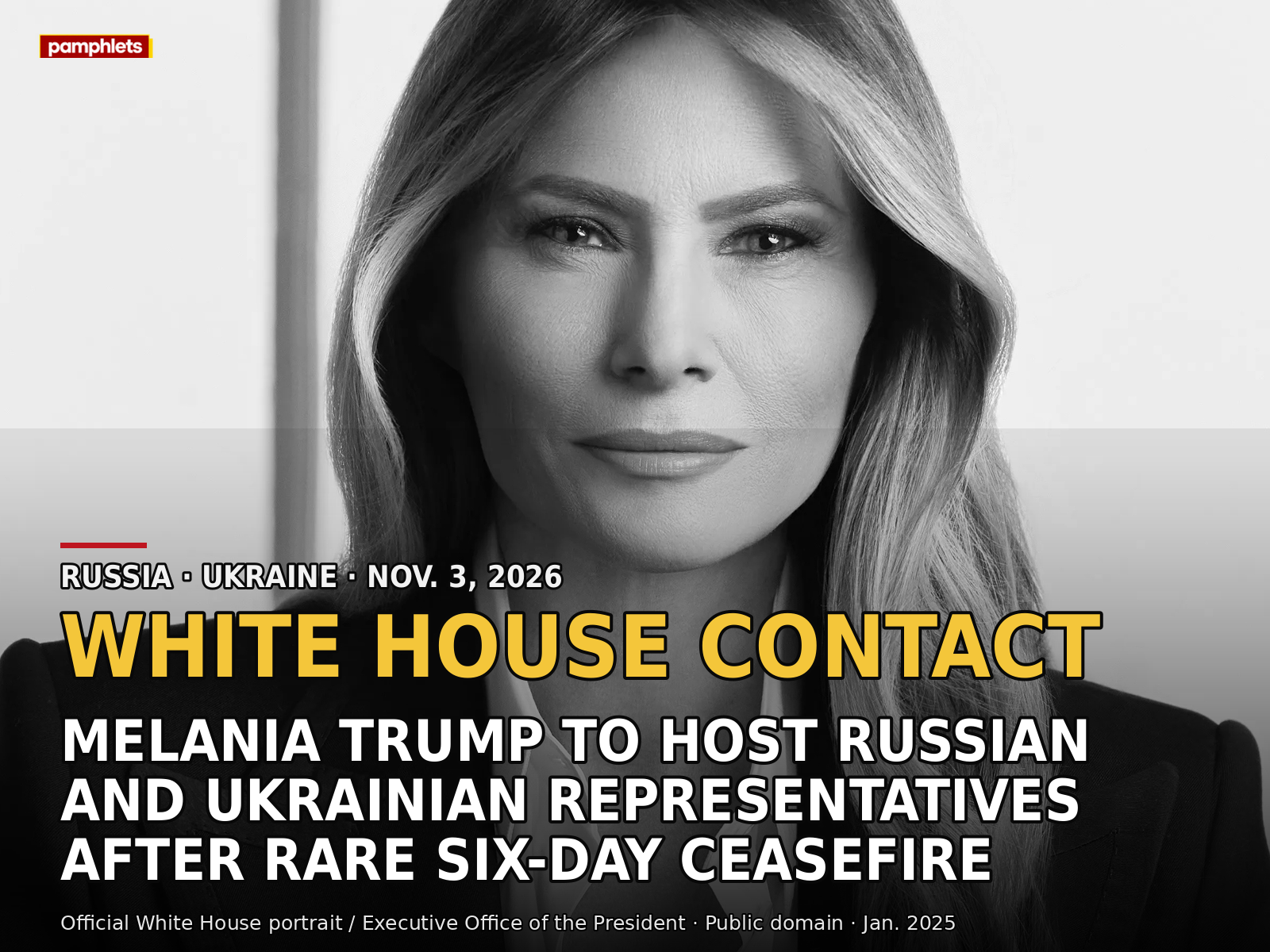
The Trump White House is placing Melania Trump at the center of a rare humanitarian ceasefire in Ukraine. Yet a new investigation reports that Russian and Ukrainian military intelligence spent four months negotiating the Oleshky evacuation before the first lady became the public face of the agreement. Civilians escaped; that achievement is real. Who did the negotiating, and who is receiving the credit?
The White House announced the November 5 meeting on Tuesday and called it an “extraordinary moment in American history.” The first lady will deliver remarks at 11 a.m. Eastern time. Officials did not identify the delegations or say whether the meeting would include negotiations beyond the Oleshky operation.
Le Monde reported on November 2 that Ukraine's HUR and Russia's GRU negotiated the operation over four months, using channels already established for exchanges of prisoners and war dead. Ukrainian and Russian human rights officials then organized the civilian mission. One source questioned Washington's precise contribution and suggested both governments might have allowed Melania Trump to receive credit to please Donald Trump. That suggestion remains an attributed interpretation, not a proven arrangement.
The truce began on October 27 and ended on November 1. Russian human-rights commissioner Yana Lantratova and Ukrainian ombudsman Dmytro Lubinets issued nearly identical statements as their teams cleared roads and prepared a convoy. Lubinets later said both sides honored their commitments and were exploring further humanitarian initiatives.
The operation mattered to civilians, not just the people issuing statements. Melania Trump said nearly 800 residents were evacuated, while independently verified totals remain unsettled. The truce did not end the wider war. It temporarily opened a dangerous route for humanitarian aid and people fleeing a town battered by years of combat. Lubinets urged both sides not to turn the figures into a propaganda contest.
“I really don’t want this to turn into a competition over ‘who has fled to which country in greater numbers,’” he said on Monday.
In its October 23 statement, the White House called Melania Trump an 'Exclusive Intermediary' and quoted her saying the operation could not have happened without her intervention. On November 3, it said she had 'independently initiated engagement' and 'successfully secured' the ceasefire. Neither announcement supplied a detailed account of the negotiating responsibilities of her office, the two intelligence services, and the humanitarian officials.
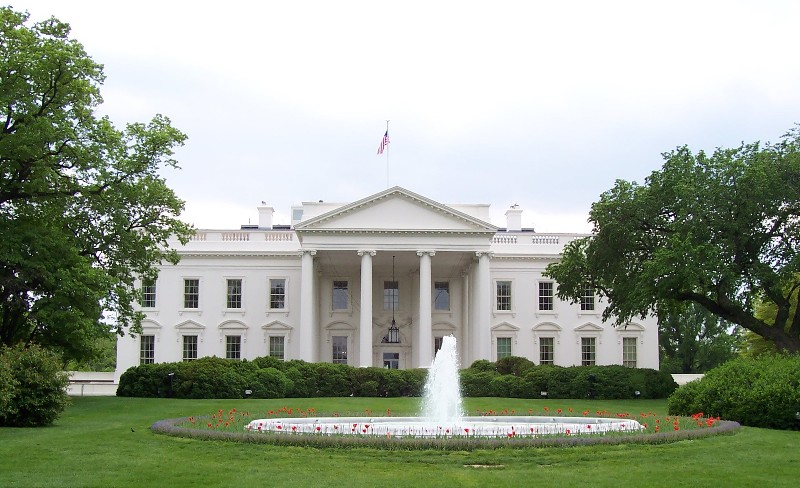
The question of authority is unavoidable. The first lady has no constitutionally defined government duties, no electoral mandate and no Senate-confirmed diplomatic appointment. Presidential spouses can, and often do, support international humanitarian causes. But access to the president is not by itself a public explanation of who authorized a negotiation, which officials participated, or who made the binding commitments.
Melania Trump does have relevant humanitarian experience. Her office said its earlier contacts helped reunite children separated by the war, and Lubinets publicly thanked her and proposed further missions under her coordination. Those acknowledgments belong in the record. They do not establish that she personally negotiated the four-month intelligence-channel agreement.
Earlier reporting by Le Monde documented the risks surrounding the evacuation, including concerns raised by Ukrainian officials about possible coercion and military exploitation of the pause. Those concerns are allegations and warnings, not independently established outcomes. The agreed six-day humanitarian operation nevertheless offered a concrete lifeline for residents who needed medicine, food and a way out.
Oleshky lies on the Russian-held bank of the Dnipro opposite Kherson. Before the war it had roughly 24,000 residents; by October only about 1,700 to 2,000 remained. Mine-strewn roads, attacks and shortages of water, medicine and electricity made movement perilous. The practical work of securing a corridor and helping civilians deserves as much scrutiny and credit as the White House ceremony.
Melania Trump is due to host Russian and Ukrainian representatives on Thursday, November 5, and speak at 11 a.m. Eastern. The initial announcement gave neither the participants' names nor a detailed agenda. Hosting a humanitarian meeting is not negotiating an end to the war. The administration's description of an unprecedented first-lady diplomatic achievement should be measured against the people and institutions that carried out the actual mission.
A full accounting should identify who first opened the channel, who negotiated each ceasefire term, who secured the two governments' consent, and how many civilians reached their chosen destinations. Kyiv and Moscow should explain their own roles, too. Until that chronology is public, the claim that one member of the presidential family 'secured' the ceasefire remains a claim to investigate, not a settled historical record.
The Oleshky evacuation belongs first to the civilians who endured the fighting and the officials and aid workers who made their passage possible. A humanitarian result should not become an exercise in branding the Trump family with diplomatic achievements whose origins remain contested.


Comments