


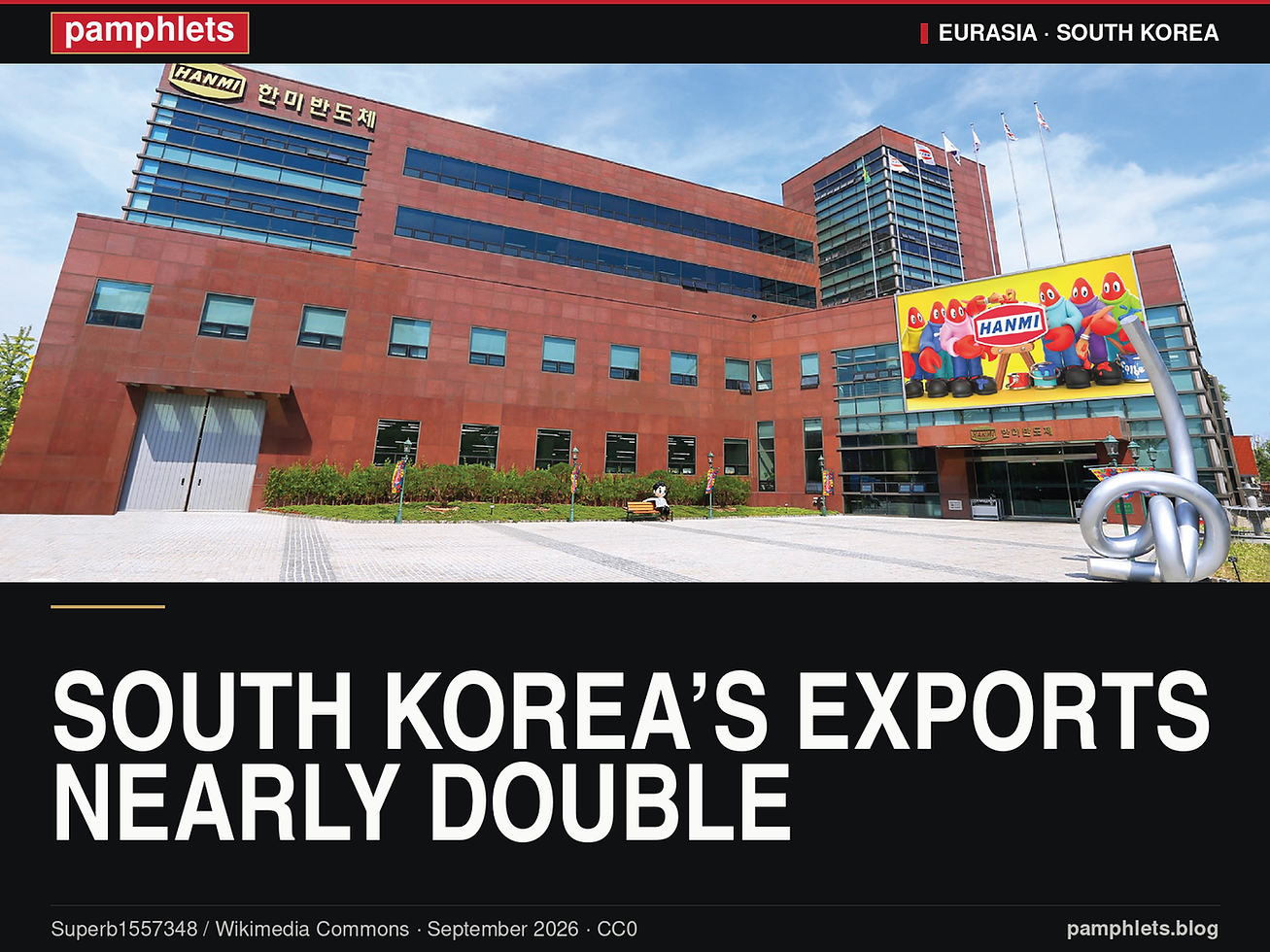
South Korea’s Exports Nearly Double as AI Chips Dominate the Boom

South Korea’s export machine hit a new gear in October. Shipments surged 93.7 percent from a year earlier to $115.28 billion, the fastest growth since January 1974, as demand for artificial-intelligence hardware turned semiconductor factories into the center of a historic trade boom.
The Ministry of Trade, Industry and Resources reported on November 1 that imports rose 36 percent to $72.78 billion, leaving a monthly trade surplus of $42.5 billion. Exports reached $930 billion in the first ten months of 2026, putting the country on course to cross $1 trillion for the first time.
“With exports continuing solid growth of more than $110 billion in October, it is becoming certain that annual exports of $1 trillion will be reached within November,” Trade Minister Kim Jung-kwan said, according to Reuters.
A wider boom with a narrow engine
The headline number carries a calendar distortion. Last year’s Chuseok holiday cut the comparable month’s working days. Yet the official data still showed average daily exports climbing 76 percent to $5.24 billion. This was more than a statistical rebound.
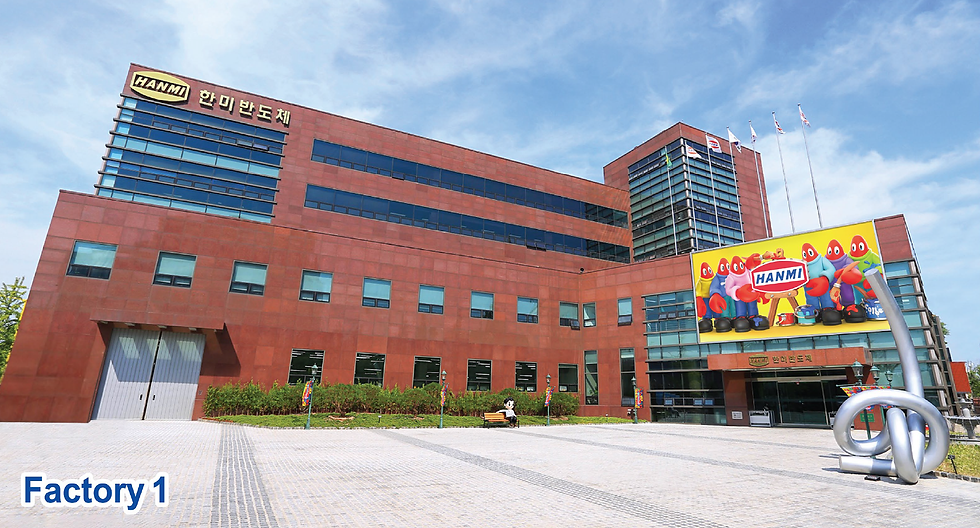
Semiconductor exports jumped 259.4 percent to $56.44 billion—nearly half of all October shipments. Computer exports rose 496.6 percent to $5.85 billion. Yonhap reported that petroleum products increased 80 percent, petrochemicals 27.5 percent, cosmetics 57.5 percent and automobiles 18.1 percent. Eighteen of the ministry’s 20 major product groups recorded growth.
Demand spread across South Korea’s major markets. Shipments to China more than doubled to $26.98 billion, while exports to the United States reached $24.9 billion. Reuters calculated gains of 133.6 percent to China and 185.8 percent to the United States, with Europe and Southeast Asia also buying substantially more Korean goods.
The gains were not universal. Ship exports fell 43.6 percent and textile shipments dropped 13 percent, according to the ministry. Those contractions show why the aggregate record cannot substitute for an industrial strategy that protects communities outside the chip corridor. A national surplus can conceal layoffs, regional decline and bargaining pressure in sectors that do not share the AI windfall.
That breadth matters. South Korea is not merely reselling a speculative software story; it is manufacturing memory chips, computers, vehicles, chemicals and refined products at enormous scale. Industrial policy, infrastructure and a skilled workforce have built productive capacity that financialized economies abandoned.

The AI cycle now holds national power
But the same figures reveal a dangerous concentration. Chips alone generated almost half the month’s exports. The Bank of Korea warned on October 27 that semiconductor exports could fall by $50 billion to $100 billion if major US technology companies slow their AI investment, potentially cutting roughly 0.4 percentage point from economic growth.
Pamphlets reported last week that South Korea’s chip-led growth was already outrunning household spending. October’s trade release sharpens that contradiction. A country can post record exports while workers still face expensive housing, insecure employment and weak domestic demand. The decisive issue is whether the surplus finances better wages, public services and another generation of domestic technology—or flows upward to shareholders while the economy becomes more dependent on Silicon Valley’s capital budgets.
The trillion-dollar threshold will mark real industrial power. It will also measure exposure. South Korea has become indispensable to the global AI buildout, but foreign corporations can still pull the investment lever. The export boom gives Seoul resources to reduce that dependency. Whether it uses them will determine if October’s record becomes a foundation for broad prosperity or the high point of a volatile cycle.


Comments