


Annie Andrews Flips South Carolina Senate Seat in Stunning Rebuke to Trump

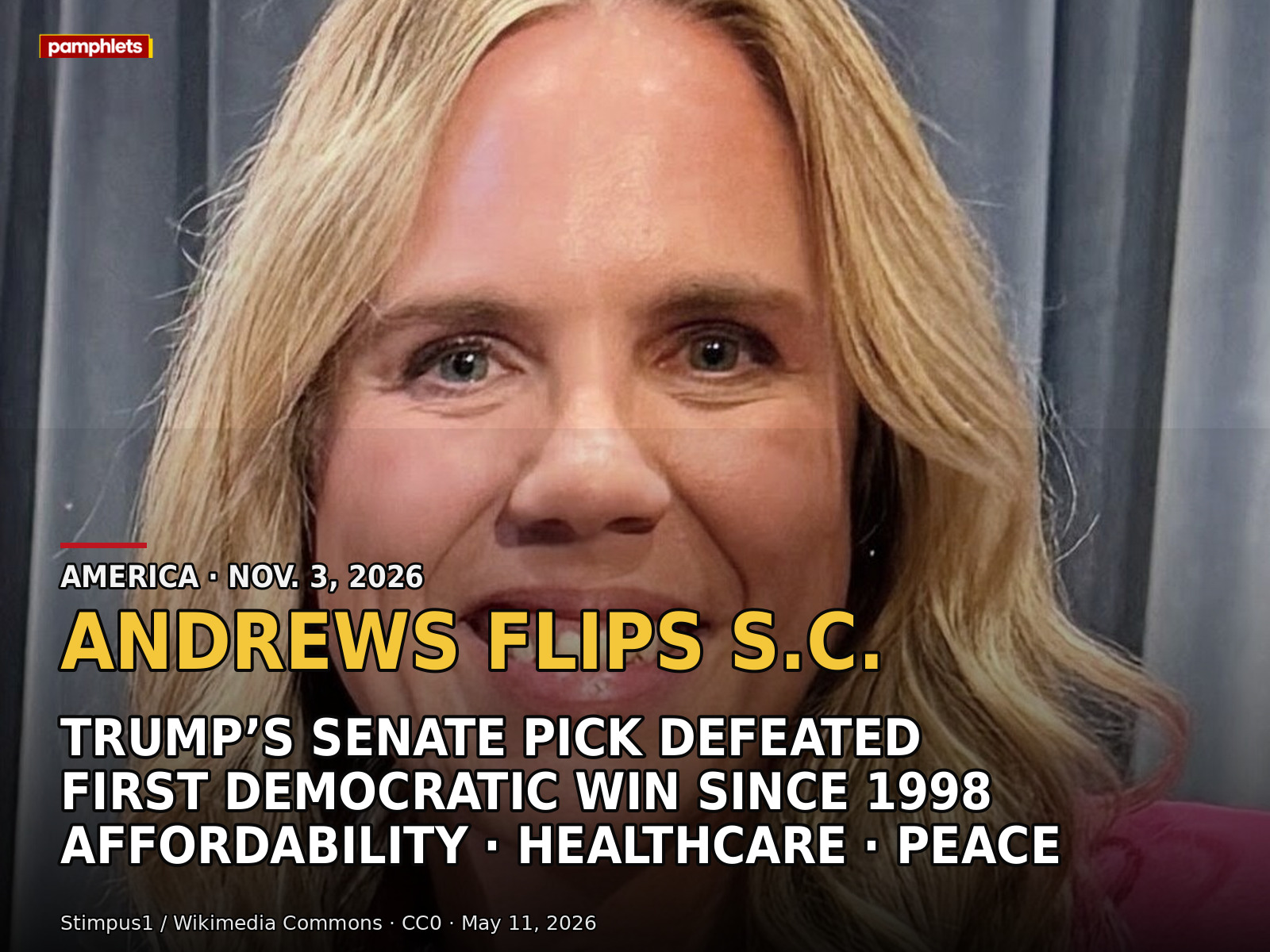
Annie Andrews at a campaign event at Greenville Technical College, May 11, 2026. Photograph: Stimpus1 / CC0. Reporting: Reuters and Associated Press.
Democrat Annie Andrews shattered South Carolina’s Republican wall Tuesday night, defeating Trump-backed Senator Darline Graham and taking a Senate seat the party had not won in 28 years.
The result landed far beyond one state. Donald Trump carried South Carolina by 18 points in 2024. He personally urged Graham to run, endorsed her, and returned to the state as the race tightened. Voters rejected the arrangement anyway.
Andrews, a pediatrician who had never held elected office, becomes South Carolina’s first woman elected to the U.S. Senate. She also gives Democrats their second Republican-held Senate pickup of the night after Roy Cooper’s victory in North Carolina.
Republicans began the election with a 53–47 majority. Democrats need a net gain of four seats to take control, and several decisive contests remained unresolved when Andrews won. Her victory does not settle the chamber. It changes the map.
South Carolina had looked untouchable. Republicans have held both of its Senate seats since 2005, and no Democrat had won one since Fritz Hollings secured his final term in 1998. National strategists did not treat the race as competitive until the closing weeks.
Then the electorate moved.
Reuters reported that Andrews outraised Graham by $22 million. Republican outside groups spent $27 million trying to save the seat, while Democratic groups put in $24 million. Trump’s late intervention could not close the gap.
The campaign exposed the weakness of political inheritance. Governor Henry McMaster appointed Graham after her brother, longtime Senator Lindsey Graham, died in July. Trump then backed her through a special Republican runoff and into the general election despite doubts about her experience.
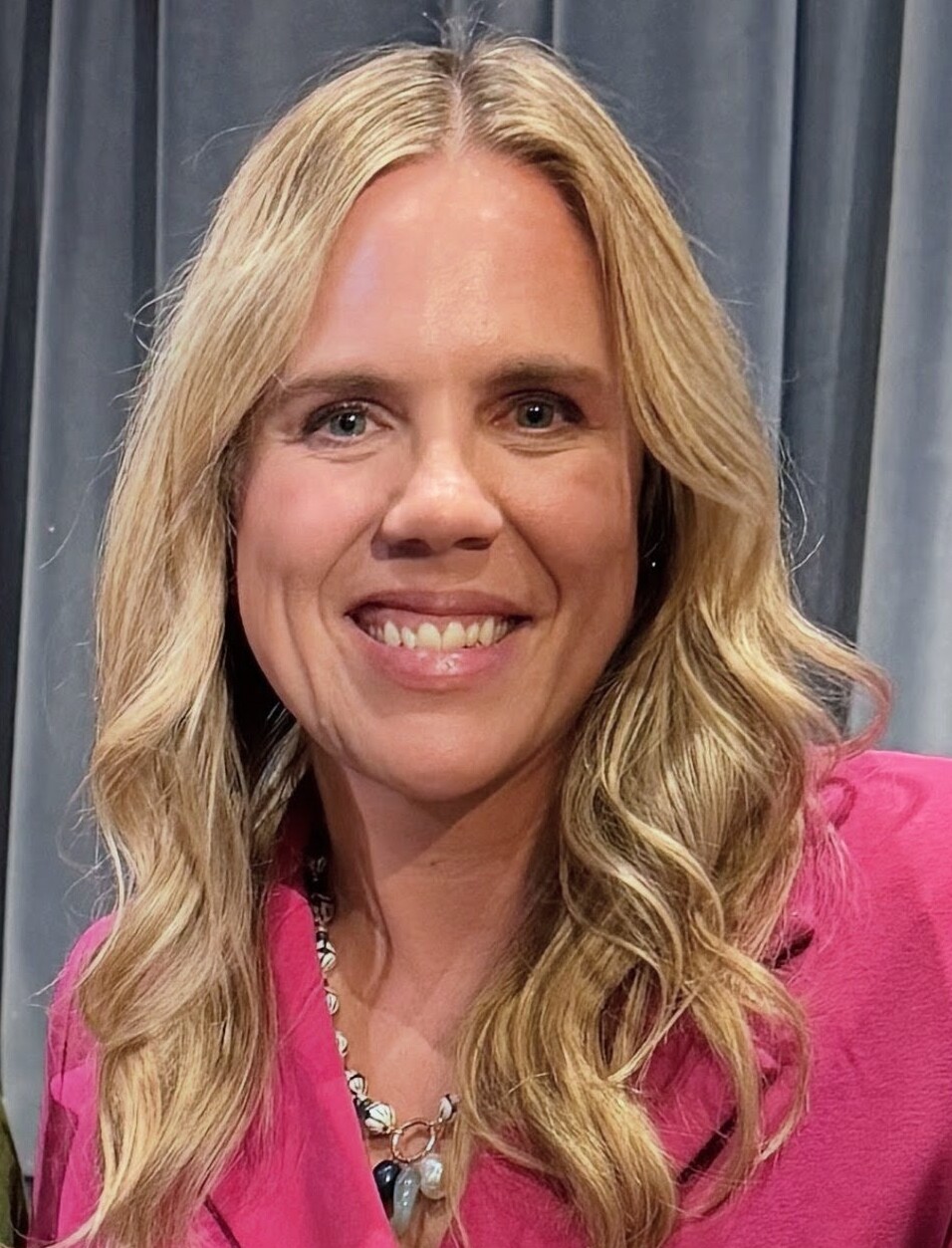
Andrews attacked that arrangement directly. At her final rally, she said, “I got involved because I care, not because someone handed me the job.” Her campaign connected the patronage question to everyday economic pain instead of treating corruption as an abstract ethics dispute.
Graham called her opponent “batshit crazy” at a Trump rally. Andrews answered with a question that condensed the campaign: Was it crazy “to want cheaper gas and groceries”?
That argument found an audience. The Associated Press voter survey reported that roughly half of midterm voters considered both government corruption and the cost of living crucial to their congressional vote. About eight in ten said inflation had caused their household moderate or severe financial hardship.
Andrews campaigned to block Medicaid cuts, protect rural hospitals and reduce immediate fuel costs. She called healthcare infrastructure the backbone of South Carolina’s communities and warned that hospital closures would push sick people into understaffed emergency rooms farther from home.
Her program had limits. Suspending the federal gas tax offers quick relief but does not confront the oil companies, distributors and monopoly power that shape prices. Still, the campaign understood something Washington often refuses to admit: voters experience politics through rent, groceries, medicine, fuel and the public services that determine whether a family survives a crisis.
The upset also rebuked Trump’s foreign-policy record. Andrews called for ending the U.S. war in Iran, while voters faced higher fuel prices and a widening cost-of-living squeeze. South Carolina showed that even a deeply conservative electorate can punish a government that spends political capital abroad while households struggle at home.
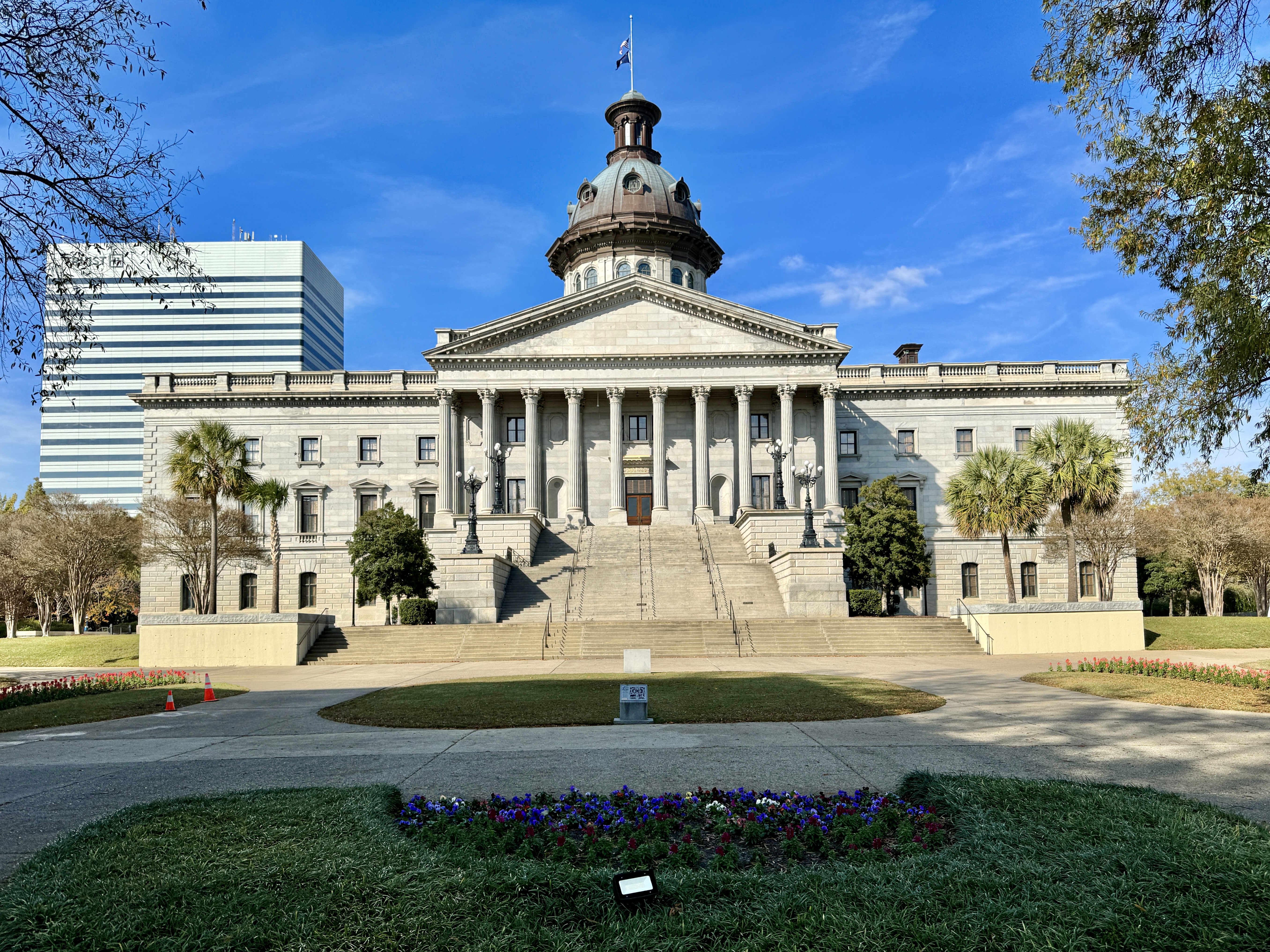
Republicans cannot dismiss this as a blue-state protest. South Carolina has anchored the modern Republican South for decades. Trump made himself the face of Graham’s campaign, and voters in a state he won decisively chose the Democrat.
Nor should Democrats treat Andrews’ victory as permission to return to business as usual. The coalition that broke the Republican hold came together around affordability, healthcare, opposition to corruption and exhaustion with war. It will expect material results.
The Senate majority remains undecided. But one conclusion already stands: Trump’s endorsement no longer guarantees obedience, inherited power is vulnerable, and the supposedly immovable Republican South can move when working people decide the cost of loyalty has become too high.
Campaign policy and quotation reporting: WIS News 10. Official result source: South Carolina Election Commission.


Comments