
Paraguay Senate Resumes Peña Impeachment as Top Aides Quit

ASUNCIÓN — Paraguay’s Senate resumed President Santiago Peña’s impeachment trial Friday as three senior aides quit and his attempted resignation remained legally stalled. Peña is still president. The constitutional crisis has not ended; it has moved into a sharper phase, with lawmakers now deciding whether to remove him over the collapse of Ueno Bank and the political system that protected it.
The Associated Press reported that Ueno’s failure left nearly three million customers unable to reach their money. Interior Minister Enrique Riera, chief of staff Javier Giménez and presidential legal adviser Roberto Moreno resigned as senators reconvened. Their departures strip Peña of key operators at the moment he most needs a disciplined defense.
Peña submitted a resignation Thursday, but allies walked out of Congress and denied the chamber the quorum required to accept it. The bid therefore produced the opposite of a clean exit: Peña remained in office while the impeachment court kept moving. Opposition senators favor a verdict because, according to AP, resignation could place Peña in a lifetime Senate seat with immunity, while conviction would leave the allegations open to criminal scrutiny.
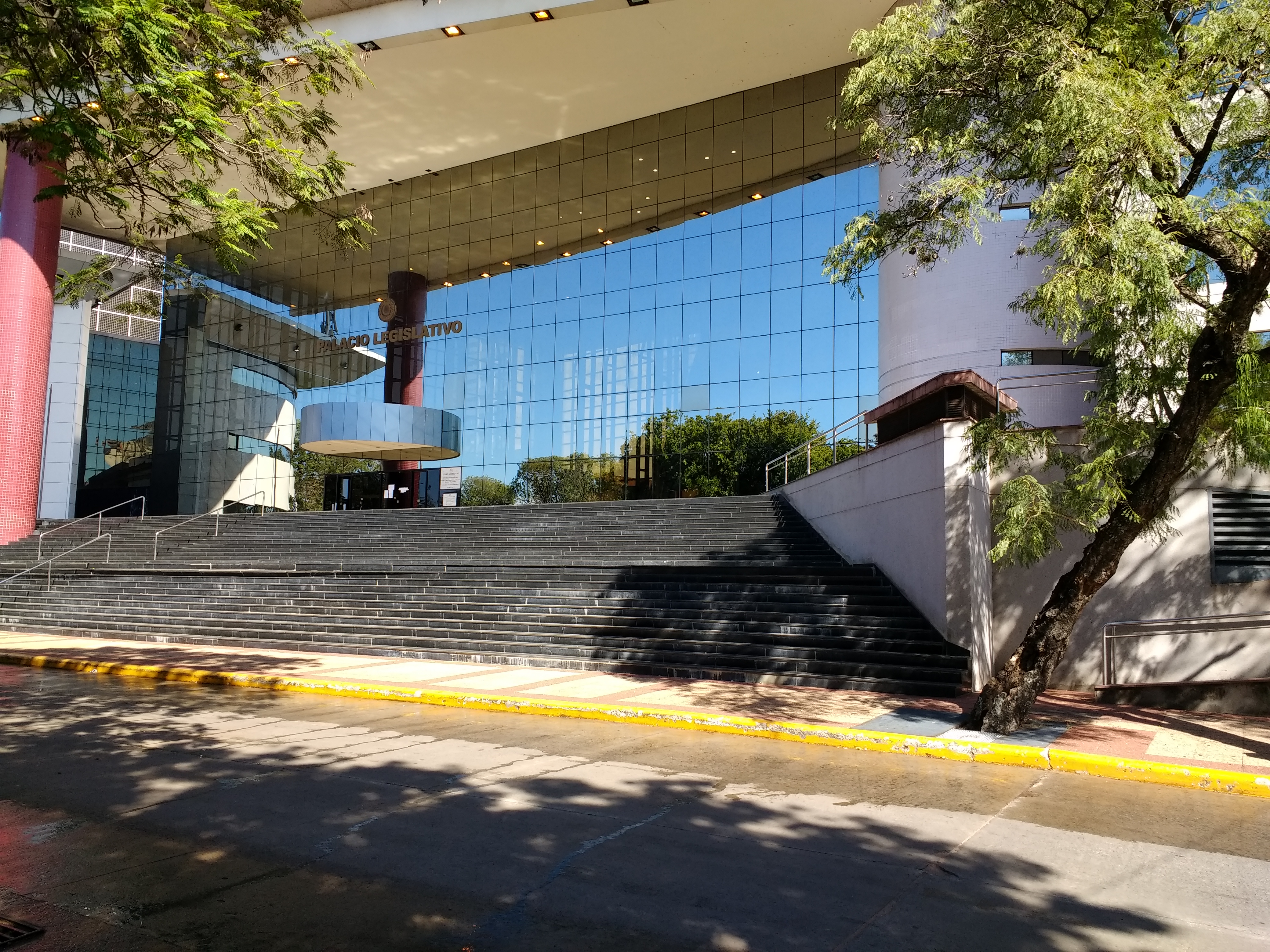
Photo source: Mx. Granger / Wikimedia Commons · CC0 1.0
A trial shaped by the bank collapse
The official Senate agenda confirmed that the chamber constituted itself as an impeachment court and convened to deliberate Peña’s responsibility under Paraguay’s established procedure. The lower house had already approved impeachment 78–0, an extraordinary unanimous rebuke in a country long dominated by Peña’s Colorado Party.
Peña asked senators for 72 more hours to prepare after receiving roughly 300 pages of evidence only hours before the hearing. Senators rejected the delay. Reuters reported that lawmakers acting as prosecutors filed the charges Thursday and that the Senate resumed proceedings Friday despite the resignation letter. The compressed timetable raises a real due-process concern, but it does not erase the scale of the banking disaster or the conflicts lawmakers have placed at the center of the case.
The accusations must remain accusations until proved. Lawmakers cite Peña’s former stake in the holding company behind Ueno, his appointment of a former bank executive to lead the central bank, and the concentration of public pension money in the failed institution. Ueno held more than $800 million in public funds, according to AP. The central bank intervened after determining that the lender had breached solvency rules.
Photo source: Cmasi / Wikimedia Commons · CC BY-SA 4.0
Authorities have opened three criminal investigations. Arrest warrants were issued for eight Ueno executives, and several directors were placed in pretrial detention. Former chief executive Miguel Vázquez has been charged. Those cases will determine individual criminal responsibility; impeachment asks a different question—whether Peña’s conduct and appointments made him politically unfit to remain in office.
The Colorado machine breaks ranks
Former president Horacio Cartes, who leads the Colorado Party and once served as Peña’s political patron, has backed removing him. That rupture matters more than any televised declaration. Paraguay’s dominant political machine is calculating that Peña has become a greater threat inside the presidency than outside it.
The immediate arithmetic is severe. Thirty of the Senate’s 45 members must vote to convict and remove Peña. If the chamber reaches that threshold—or if Congress legally accepts his resignation—Vice President Pedro Alliana would complete the term through August 2028.
For depositors, institutional choreography is secondary. A bank failure froze access to savings on a scale touching almost half the population. The state’s first obligation is to restore access, publish a credible accounting of Ueno’s losses and protect public pension money. Paraguay also needs an independent investigation capable of following the money across party lines.
Peña tried to resign before the Senate could judge him. Congress failed to complete that exit, and the trial has resumed. Paraguay now faces a decisive test: whether its institutions can separate partisan succession from public accountability—and whether the millions locked out of their accounts will finally come before the politicians who built the system.


Comments