



















Argentina bars Brazilian journalist who criticized Milei for five years

By Carlitos Marquez | Pamphlets
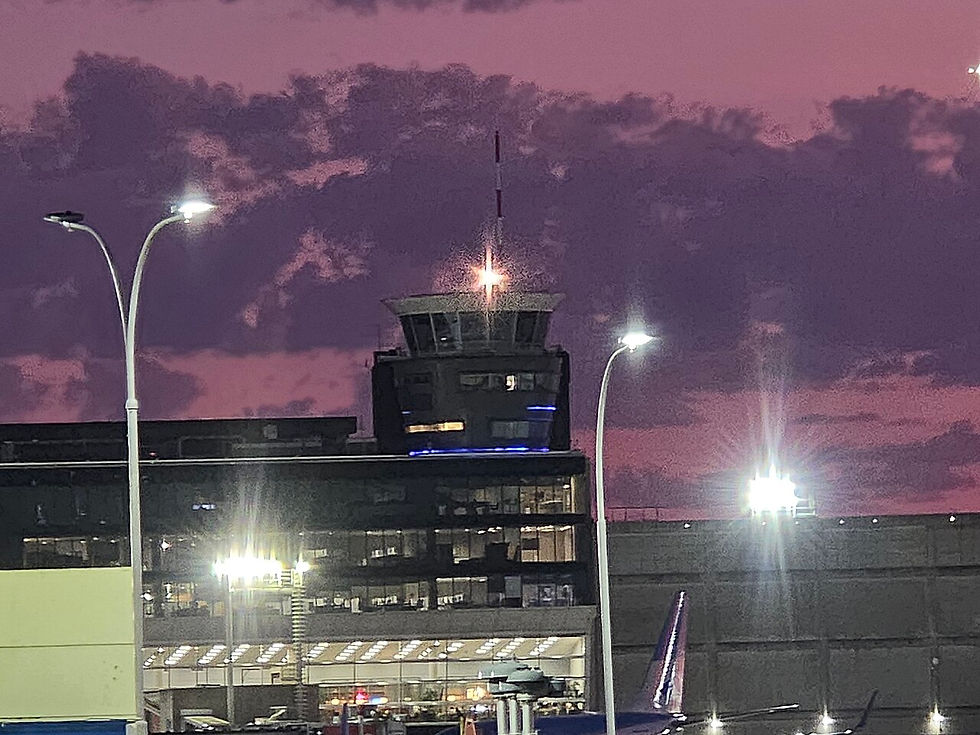
Argentina refused entry to Brazilian journalist and political commentator José Rogério Carvalho Tomaz Jr. at Buenos Aires’ Aeroparque Jorge Newbery airport on Monday, October 12, after cancelling his permanent residency and imposing a five-year ban on returning to the country. The decision came after his public confrontations with supporters and officials of President Javier Milei, although immigration authorities insist that alleged residency violations—not his political comments—were the reason.
Tomaz Jr. had flown to Buenos Aires to conduct interviews for a book examining Milei’s presidency. At immigration control he learned that Argentina’s National Directorate of Migration had cancelled the residency he obtained in January 2022. According to the administrative documents reviewed by Infobae, the cancellation was signed on August 5, more than two months before he arrived.
He was not removed from a home or workplace inside Argentina on Monday: he was refused admission at the border after arriving from Brazil. The distinction matters because the government had already cancelled his residency and recorded the ban before he stepped off the plane.
Migration officials say their records show that Tomaz Jr. spent only 153 days in Argentina during the four years and six months following approval of his permanent residency. Authorities also cited a lack of verifiable employment, study or family connections in Argentina. Government sources told Infobae that he was not living at the residential address he had supplied.
The formal justification relies on Article 62(f) of Argentina’s Migration Law 25,871, as amended under Milei. That provision allows a residence permit to be cancelled when officials find that the circumstances on which it was granted have been fundamentally altered. The government also relied on the law’s rules on cancellation and re-entry bans. These claims come from the immigration authority; the legality and proportionality of the specific decision have not been independently adjudicated in the reporting available Monday.
Tomaz Jr. disputes the picture of an abandoned residence. Speaking to Brazilian outlet UOL, he said his Argentine identity document had appeared valid until 2037 and that he had made repeated visits, including 36 days in Argentina during 2026. He said he had not received advance notification of the August decision and was considering an appeal from abroad.
Political conflict preceded the border decision
The Brazilian writer is associated with the political left and has publicly supported Brazil’s Workers’ Party, led by President Luiz Inácio Lula da Silva. He has repeatedly denounced Milei’s economic agenda and criticized proposals affecting foreign students in Argentina. His language toward the Argentine president has sometimes been deliberately insulting.
In July, Tomaz Jr. clashed online with Juan Pablo Carreira, a senior Argentine government digital communications official known as Juan Doe. Carreira responded to a video about foreign students with personal insults aimed at the Brazilian commentator. The exchange became part of a broader online fight about public universities, national identity and relations between the neighboring countries.
Tomaz Jr. argues that the confrontation may have influenced the immigration decision. Its timing raises a legitimate question about selective enforcement: the administrative order followed the July dispute by less than two weeks. But a chronological connection is not proof of retaliation. The documents described by Infobae cite residence conditions, not criticism of Milei, and no publicly established finding demonstrates that political speech motivated the ban.
An immigration decision with regional implications
The controversy arrives amid a tougher Argentine migration framework. Decree 366/2025 revised the conditions under which foreign nationals can retain residency and face removal or denial of entry. The government's power to enforce those rules does not remove the public-interest questions surrounding due process, advance notice and equal treatment for political critics.
Argentina and Brazil are major neighbors whose citizens travel frequently for work, journalism, education and family life. For a reporter who says he was collecting material about Argentina’s presidency, being denied entry has an immediate professional consequence regardless of the government’s stated legal rationale.
Tomaz Jr. says he intends to challenge the restriction. Until an appeal or judicial review determines otherwise, the documented facts are that his residency was cancelled, he was turned away on October 12, and Argentina has barred his re-entry for five years. Whether the decision was an ordinary enforcement action or was influenced by politics remains disputed.
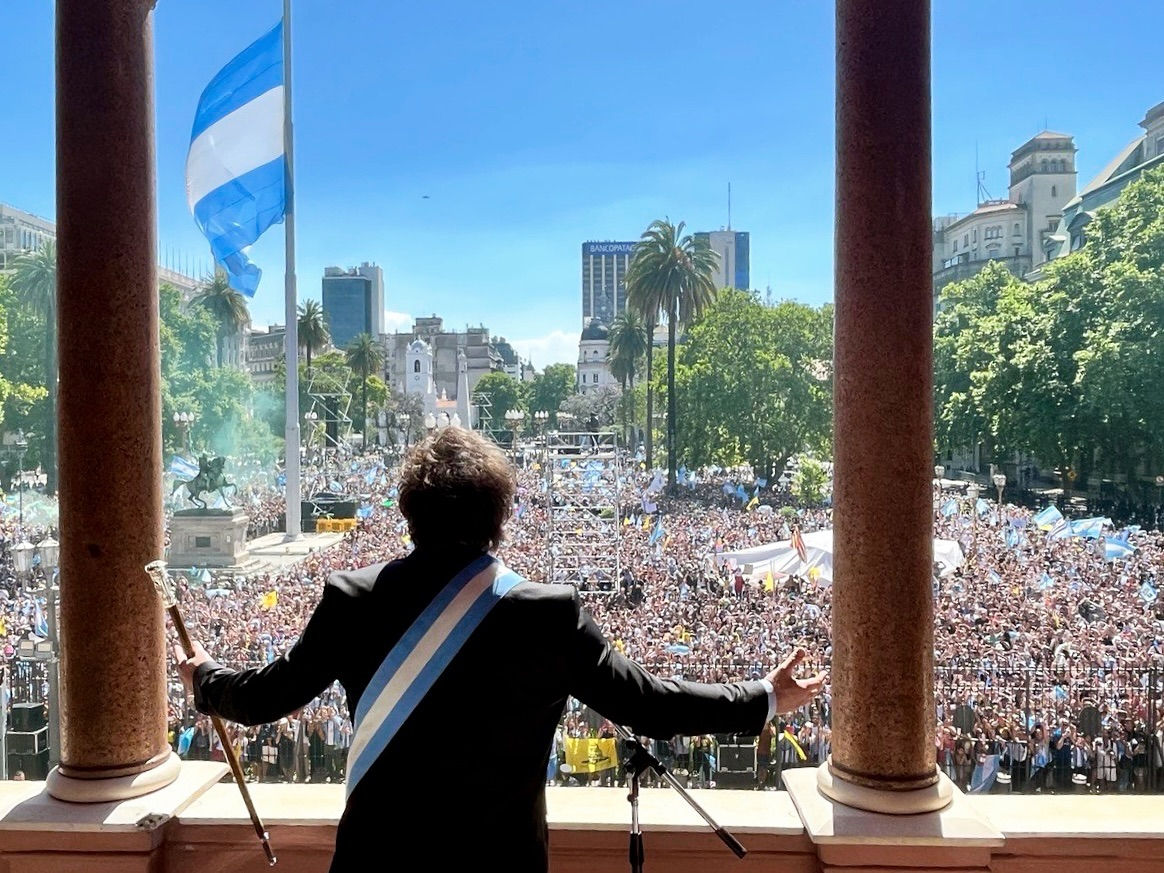
Lead image: Javier Milei addressing crowds from Casa Rosada in December 2023 (archive). Casa Rosada / Wikimedia Commons, CC BY 2.5 Argentina; photograph used unaltered.

Comments