











Communist lawmaker challenges Bolsonaro economist: Show Brazil where R$200 billion will be cut

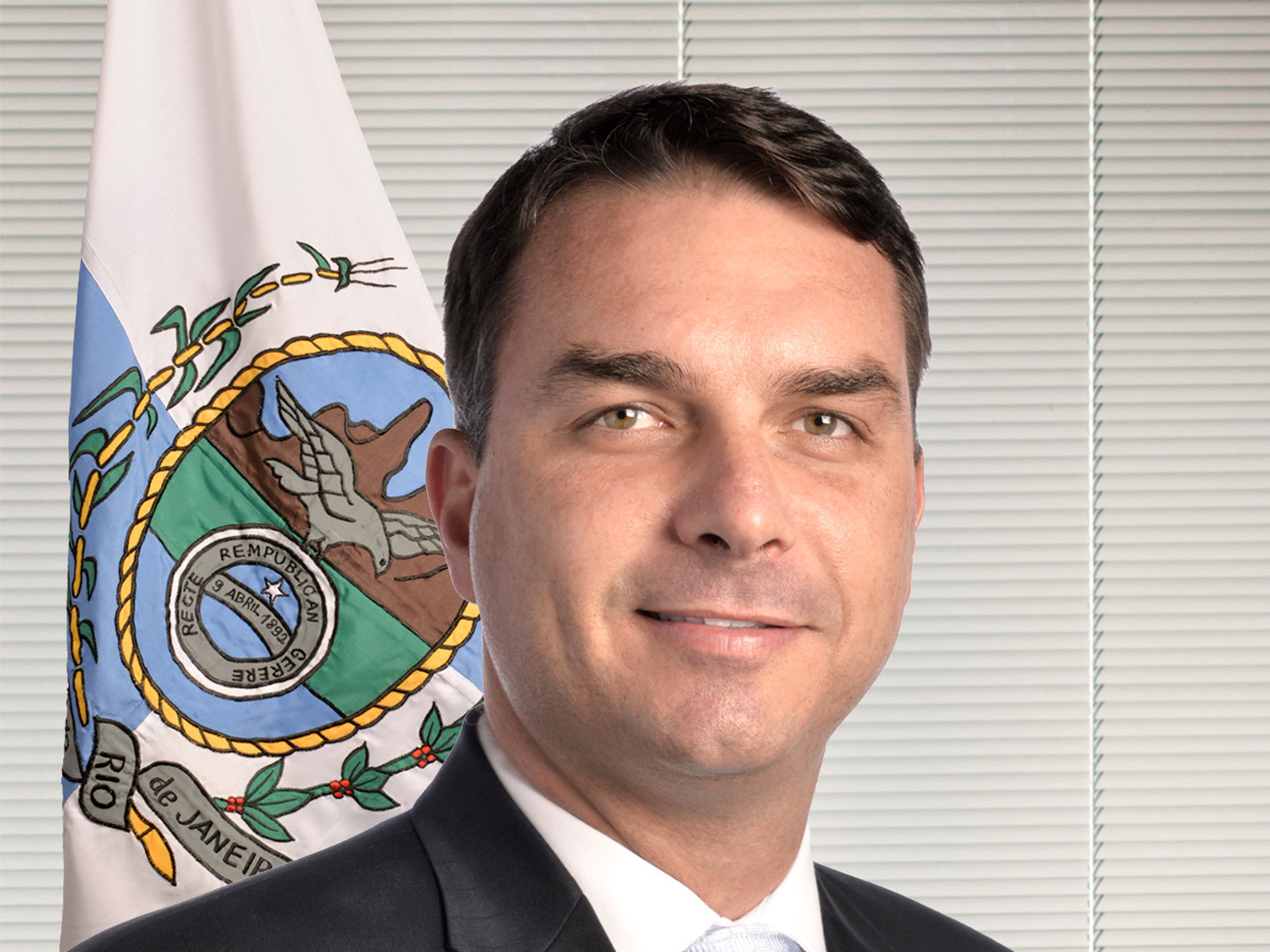
Newly elected Brazilian communist lawmaker Jones Manoel has challenged Daniella Marques, the economic coordinator for presidential candidate Flávio Bolsonaro, to a public debate over one deceptively simple question: where, precisely, would a R$200 billion spending cut fall?
Manoel, elected to represent Pernambuco in the Chamber of Deputies, addressed Marques directly in a statement shared publicly. The challenge arrives during Brazil’s presidential runoff campaign, as Bolsonaro’s advisers sell investors a sweeping fiscal adjustment while his candidate assures voters that social protections will survive intact.
“Como deputado federal eleito, e também como professor de economia, desafio a senhora Daniella Marques [...] a um debate aberto sobre austeridade fiscal e desenvolvimento econômico.”
“Que ela me mostre onde e que áreas serão afetadas por um possível recorte de R$ 200 mil milhões.”
In English, Manoel is asking Marques to show which parts of the state would take the blow — then defend those decisions before the Brazilian public. He closed by asking whether she would accept the challenge.
A R$200 billion question
The size of the proposed adjustment is not a slogan invented by Bolsonaro’s opponents. According to reporting by Folha de S.Paulo on October 8, campaign representatives have discussed an adjustment equivalent to at least 1.5% of GDP, exceeding R$200 billion. The newspaper reported that some plans under examination would change how pensions and other benefits rise, and loosen constitutional links that protect minimum spending on health and education. The campaign has denied those changes are part of its official program.
Reuters reported on October 8 that Bolsonaro promised pension increases above inflation and said he would preserve social programs. But the campaign’s competing messages leave an enormous hole in its arithmetic. Cutting ministries, eliminating payroll perks and fighting fraud may be attractive talking points. They are not, by themselves, a demonstrated R$200 billion spending plan.
UOL reported on October 13 that mandatory commitments account for about 92% of Brazil’s 2026 federal budget. That constraint makes Manoel’s challenge especially pointed. If most spending is already committed by law, which laws does the Bolsonaro team intend to rewrite? Which services would lose real resources, and which benefits would stop growing?
The economist behind the Bolsonaro campaign
Marques is no outsider parachuted into electoral politics. A former president of Caixa Econômica Federal and close associate of Jair Bolsonaro’s economy minister Paulo Guedes, she helped advance the economic agenda of the previous Bolsonaro administration. Today she is a prominent voice selling Flávio Bolsonaro’s fiscal plans to business and financial audiences.

That history gives the debate a sharp political edge. Manoel is asking a leading architect and defender of Bolsonaro-style market economics to defend austerity not in the language of investor confidence, but in the material terms of schools, hospitals, pensions, public jobs and national development.
A communist enters Congress
Manoel won 249,077 votes in Pernambuco on October 4, becoming the state’s second most-voted federal deputy. A communist organizer, historian and educator from Recife, he ran on a program of working-class politics and opposition to Brazil’s entrenched economic elites.
Now he is turning that electoral mandate into a confrontation over who bears the cost of fiscal policy. A spreadsheet can call a cut an efficiency gain. A family that loses a benefit, or a municipality whose clinic is deprived of funding, experiences it differently.
Bolsonaro’s team is free to argue for smaller public spending. It must also say what would shrink. If pensions, public health, education and social programs are all untouchable, the promised savings still need to come from somewhere. Manoel’s challenge puts that contradiction at the center of the campaign.
The country deserves the full calculation before the vote, not after it.
Reporting referenced: Folha de S.Paulo (October 8, 2026); Reuters (October 8, 2026); UOL (October 13, 2026); TSE election results (October 2026). The opening debate challenge is drawn from Manoel’s statement reproduced above. Lead photo: O POVO (February 2026).


Comments