











Shot Three Times, Nadia Beller Exposes the Far Right’s Election Machine

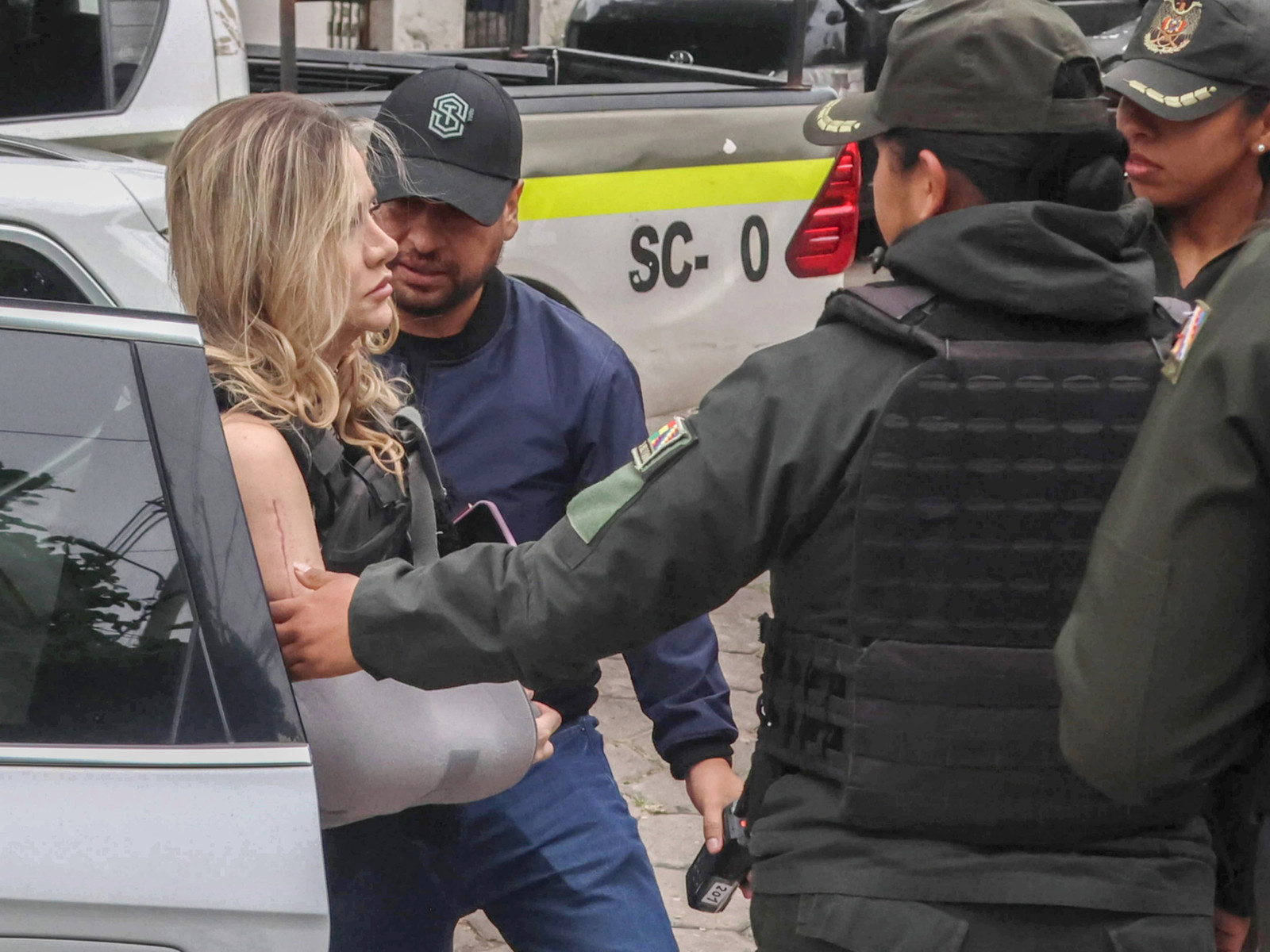
SANTA CRUZ / MEXICO CITY — Two gunmen shot Nadia Beller three times outside a hotel in Bolivia. She was pregnant. According to El País, she survived by playing dead. Hours later, police detained her former partner Fernando Cerimedo, the Argentine campaign operative who helped build a career around Latin America’s ascendant far right.
The case has now exploded beyond Bolivia. On October 12, Mexican President Claudia Sheinbaum played Beller’s testimony at her morning news conference. Beller described a political business built around bot farms, paid influencers and coordinated online attacks. She said Cerimedo intended to intervene in Mexico’s elections and back a candidate hostile to Sheinbaum.
It is the kind of operation that makes an election look like an organic uprising when much of the noise can be purchased, timed and programmed. And Cerimedo’s political résumé runs straight through the circles of Javier Milei, the Bolsonaro family and Donald Trump’s former digital strategist Brad Parscale.
The shooting — and the messages recovered from Cerimedo’s phone
Bolivian prosecutors accuse Cerimedo of arranging the August 17 shooting. A forensic report described by El País included a note recovered from his phone that read, in Spanish: “O la eliminamos ya o estamos jodidos” — “Either we eliminate her now or we’re screwed.” Investigators also reported a message to Cerimedo saying she had been shot and was wounded.
A Bolivian judge ordered 180 days of preventive detention. Cerimedo denies ordering the attack; his lawyers have challenged the case and the electronic evidence. The investigation has also opened questions about his finances and digital infrastructure. Prosecutors reported cash and a small bot farm at locations associated with him; Cerimedo denied that the devices were used illegally.
The point is not to turn Beller into a passive victim in somebody else’s scandal. She survived the gunfire and started talking — about the clients, tools and political favors behind a regional industry of manufactured opinion.
Sheinbaum puts Beller’s allegations on the national stage
During the October 12 news conference, Sheinbaum showed excerpts of Beller’s interview on Mexico’s public Canal Catorce. Beller said Cerimedo told her he planned to participate in Mexican elections and would have his own candidate. She described methods ranging from buying influencers to mobilizing bot farms to coordinate attacks and push topics into social-media trends.
Sheinbaum linked the testimony to her government’s warnings about networks of coordinated accounts and paid political messaging. Beller’s words were being broadcast from the presidency itself, in a country where right-wing media businessmen and opposition influencers have openly attacked the government.
This is a serious political allegation about how campaigns are fought, not a claim that an online army has already overturned an election. It directs attention to the people who pay for the accounts, hire the operators and benefit when paid propaganda is laundered into apparent popular anger.
The business of manufacturing a crowd
Cerimedo has not been shy about the mechanics. In a 2023 interview with Argentina’s La Nación, he acknowledged using automated troll accounts to create artificial relevance on social platforms. The trick is brutally simple: inflate a message’s early engagement until an algorithm treats the activity as authentic public interest.
That makes propaganda a commodity. Consultants sell the appearance of momentum. Media operations spread the talking points. Influencers make them sound spontaneous. The result is a politics in which money can mimic a movement — and voters are expected to mistake the advertising campaign for the crowd.
After Lula defeated Jair Bolsonaro in 2022, Cerimedo amplified false claims about Brazil’s voting system. He appeared with Eduardo Bolsonaro in a July 2026 livestream again questioning the integrity of the electronic vote. Brazil’s Federal Police included him in its investigation into the post-election coup efforts, Folha reported, although he was not charged in that prosecution.
Bolsonaro, Milei — and the Trump connection
Beller told Folha de S.Paulo that, when she asked whether Flávio Bolsonaro could win the 2026 presidential election, Cerimedo answered that they would fight for him. She also described his friendship with Eduardo Bolsonaro. Members of Flávio’s campaign denied a relationship with Cerimedo, but the public livestreams and his history with the Bolsonaro camp are matters of record.
Cerimedo also worked in Javier Milei’s rise in Argentina and advised figures around Bolivia’s Rodrigo Paz. The common thread is not a single national party. It is a portable campaign trade: attention engineering, aggressive online messaging and political consultancy crossing borders wherever the right sees an opening.
Then there is Brad Parscale. Trump’s former campaign strategist became associated with Cerimedo through digital-political technology ventures; Cerimedo announced plans to represent Parscale-linked Campaign Nucleus and EyesOver tools in Latin America. Beller later released a photograph showing Cerimedo alongside Parscale, Donald Trump Jr. and consultant Andy Rivas, published by La Jornada. The photograph puts faces to the relationships the operatives cultivate.

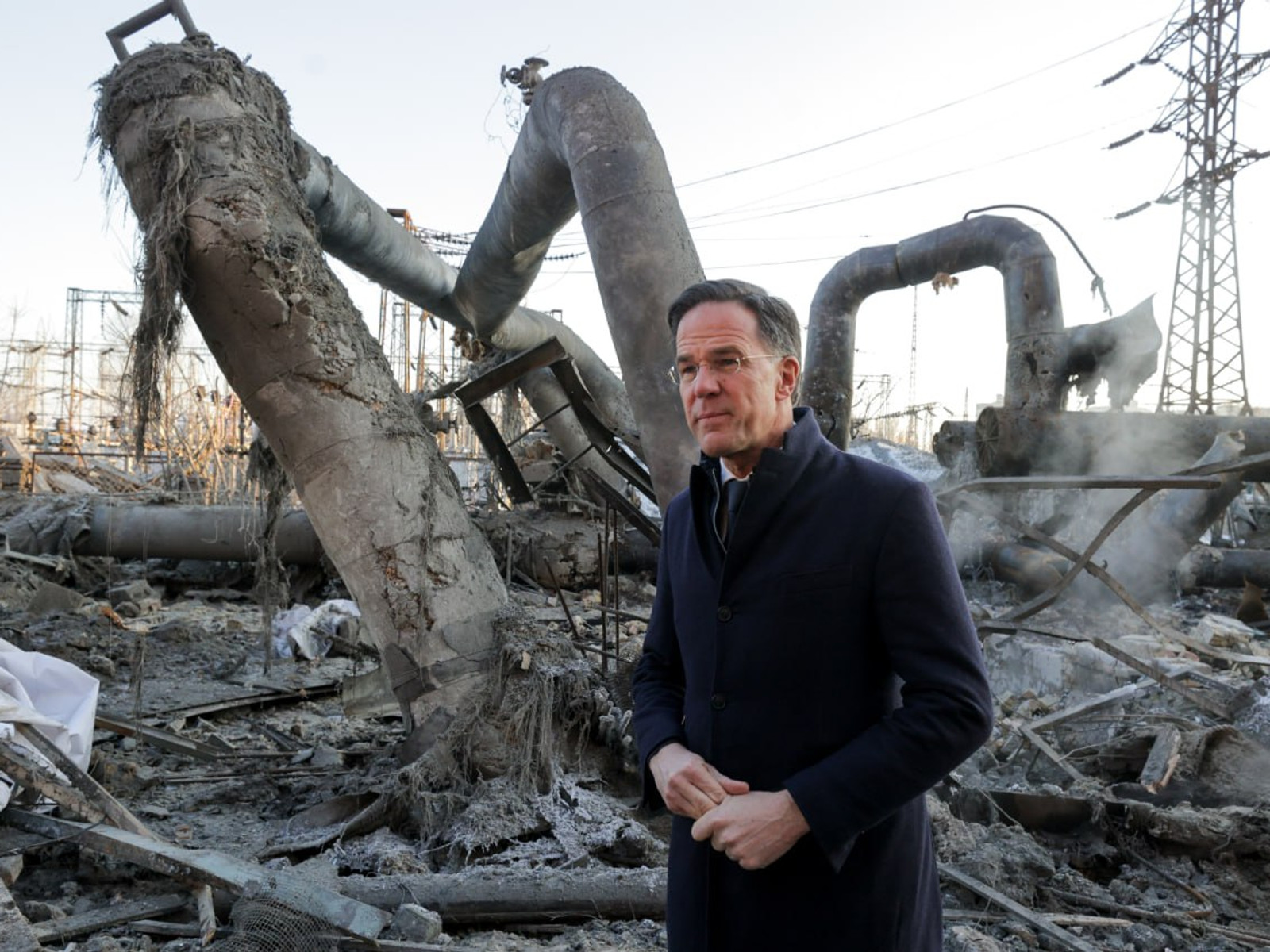
Brad Parscale, a former Trump campaign strategist whose political-technology ventures connected with Cerimedo. Archival photograph: Gage Skidmore, CC BY-SA 2.0.
The stakes are immediate in Brazil. Flávio Bolsonaro faces Lula in the October 25 presidential runoff, with Washington’s political right openly favoring a Bolsonaro-aligned turn. Reuters has described the election’s consequences for U.S.–Brazil relations, trade and strategic minerals. Folha has separately documented paid pro-Flávio messaging circulated by Trump-aligned influencers.

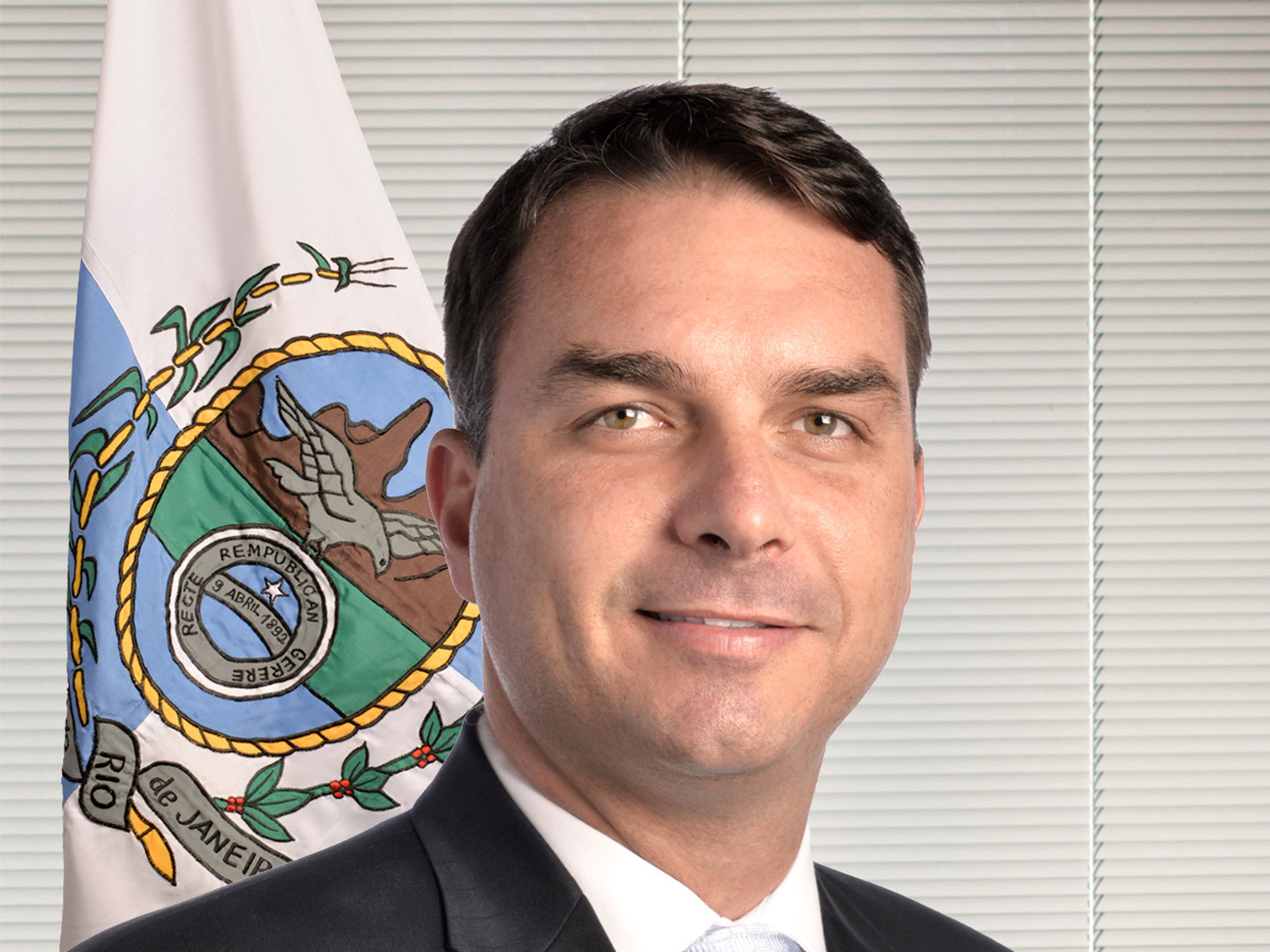
Flávio Bolsonaro, presidential candidate in Brazil’s October 2026 runoff. Archival photograph: Ton Molina/Agência Senado, CC BY-SA 4.0.
The questions reach Washington
In late September, the United States revoked the visa of Bolivian prosecutor Roger Mariaca, whose office was overseeing the Cerimedo investigation, according to La Jornada. Beller publicly questioned the decision. Washington’s action belongs in the story because the case now touches operatives with access to influential Americans — and because the handling of a major Bolivian criminal investigation has become an international political issue.
Beller’s testimony is one part of the record. The phone-forensics report, the detention order, Cerimedo’s own statements about automation, his public appearances with Bolsonaro allies, the technology partnership and the photograph involving Trump Jr. are other, independently reportable parts. They demand scrutiny of how private political operators cross borders, finance campaigns and turn technology into electoral power.
The danger is not merely a false post or a noisy troll. It is an entire business model built to make the wealthy and well-connected sound like the public. Nadia Beller survived three bullets. The networks she has described should not be allowed to hide behind the anonymity of the accounts they operate.
Sources and photo credits
El País — Mexico, October 12 · Aristegui Noticias — October 12 · El País — Bolivian phone-forensics evidence · Folha de S.Paulo — Beller on Flávio · Folha — Trump-aligned paid promotion · La Jornada — Cerimedo and Trump Jr. photograph · El Mostrador — Parscale-Cerimedo ties · Reuters — Brazil runoff and trade
Lead photograph: Nadia Beller escorted in Santa Cruz, September 2026. EFE photograph via Página/12; used for news reporting. Inline photographs: Brad Parscale by Gage Skidmore (CC BY-SA 2.0); Flávio Bolsonaro by Ton Molina/Agência Senado (CC BY-SA 4.0).


Comments