


Aid Cuts Threaten Africa’s Recovery Despite Stronger Growth Forecast

Updated: 3 hours ago
ARCHIVE — Connaught Hospital, Freetown, Sierra Leone, November 4, 2015. Photo: Simon Davis/DFID, CC BY 2.0. Illustrative of public healthcare; this photograph does not document the October 2026 financing announcements.

ARCHIVE — Connaught Hospital, Freetown, Sierra Leone, November 4, 2015. Photo: Simon Davis/DFID, CC BY 2.0. Illustrative of public healthcare; this photograph does not document the October 2026 financing announcements. V9 cover uses a crop of this photograph. Simon Davis / DFID · CC BY 2.0 · Archive, 2015
The International Monetary Fund has raised its growth forecast for sub-Saharan Africa while warning that another fall in foreign aid leaves governments with little protection against new shocks. At the IMF–World Bank meetings in Bangkok on October 15, African Department director Zeine Zeidane put growth at 4.5 percent in 2026 and 5 percent in 2027, according to reporting by the Associated Press.
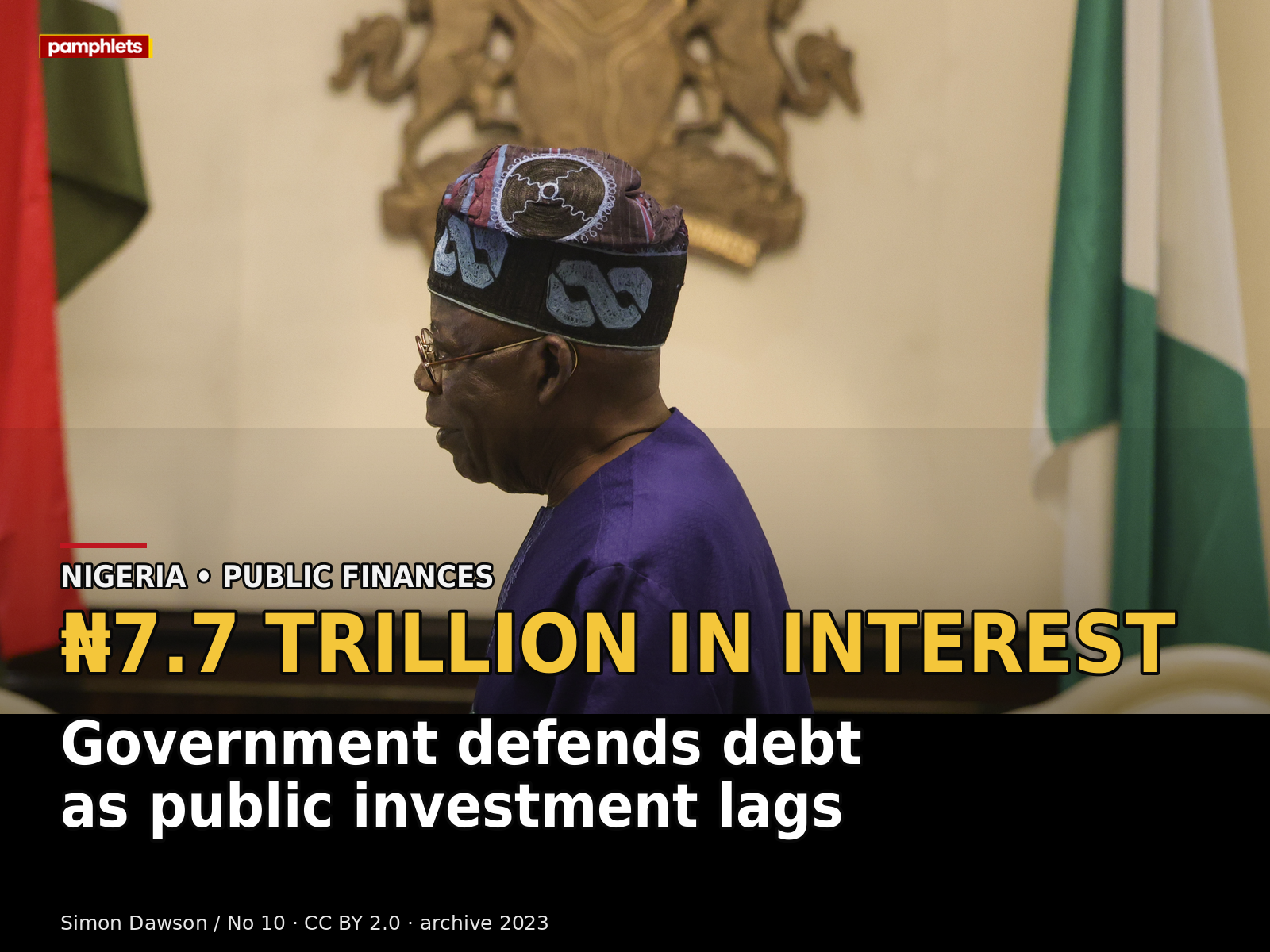
The improvement comes with a financing squeeze. Reuters reported that bilateral aid is projected to fall another 12 percent this year after declining by roughly a quarter in 2025. Interest payments already consume about 12 percent of government revenue across the region. Those are separate pressures: one removes resources, while the other commits revenue to creditors before governments decide what remains for other priorities.
The consequences extend beyond finance ministries. In a June analysis, the IMF said about half of aid supported health, education and humanitarian assistance. Development partners and nongovernmental organizations also supply delivery capacity, including systems used during disease outbreaks and displacement emergencies. Losing that capacity cannot be repaired simply by recording a higher rate of national economic growth.
That earlier assessment described cuts driven by donor decisions rather than changes in the economies receiving assistance. Its survey of 28 African countries found governments allowing programs to lapse, reducing investment, borrowing more or seeking additional revenue. Each response transfers the pressure somewhere: onto people losing services, future development, taxpayers or public debt. None creates a cost-free replacement for the lost grants.

The distribution of adjustment is also contested within countries. Premium Times reported from the Bangkok meetings that Zeidane urged Nigeria and other governments to direct savings from subsidy removal toward poor and vulnerable people. The newspaper described public frustration with rising energy prices and living costs. A promise of targeted support therefore has to be judged against what households actually receive.
The AP account also showed African ministers pursuing alternatives to dependence on external assistance. Guinea’s finance minister discussed using the Simandou mining and railway project to diversify the economy. Burkina Faso’s finance minister emphasized retaining more value from strategic resources and creating opportunities for young people. These are development strategies under discussion, not proof that mineral income has already replaced lost social spending.
The distinction matters politically. Growth, export earnings and fiscal stability measure different things from a staffed clinic or an affordable journey to work. The IMF’s improved forecast does not itself establish that living standards have recovered. Governments and donors should be judged by service delivery and the distribution of resources, alongside the aggregate economic numbers.
The immediate test is whether public services are protected while the financing gap widens. Reuters reported a worsening regional inflation outlook, adding another constraint on household purchasing power. Turning a forecast into a social recovery requires more than resilience language: it requires decisions about debt payments, domestic revenue, resource ownership and whose needs take priority.





Comments