


Settlers Attack European Diplomats During West Bank Olive Harvest

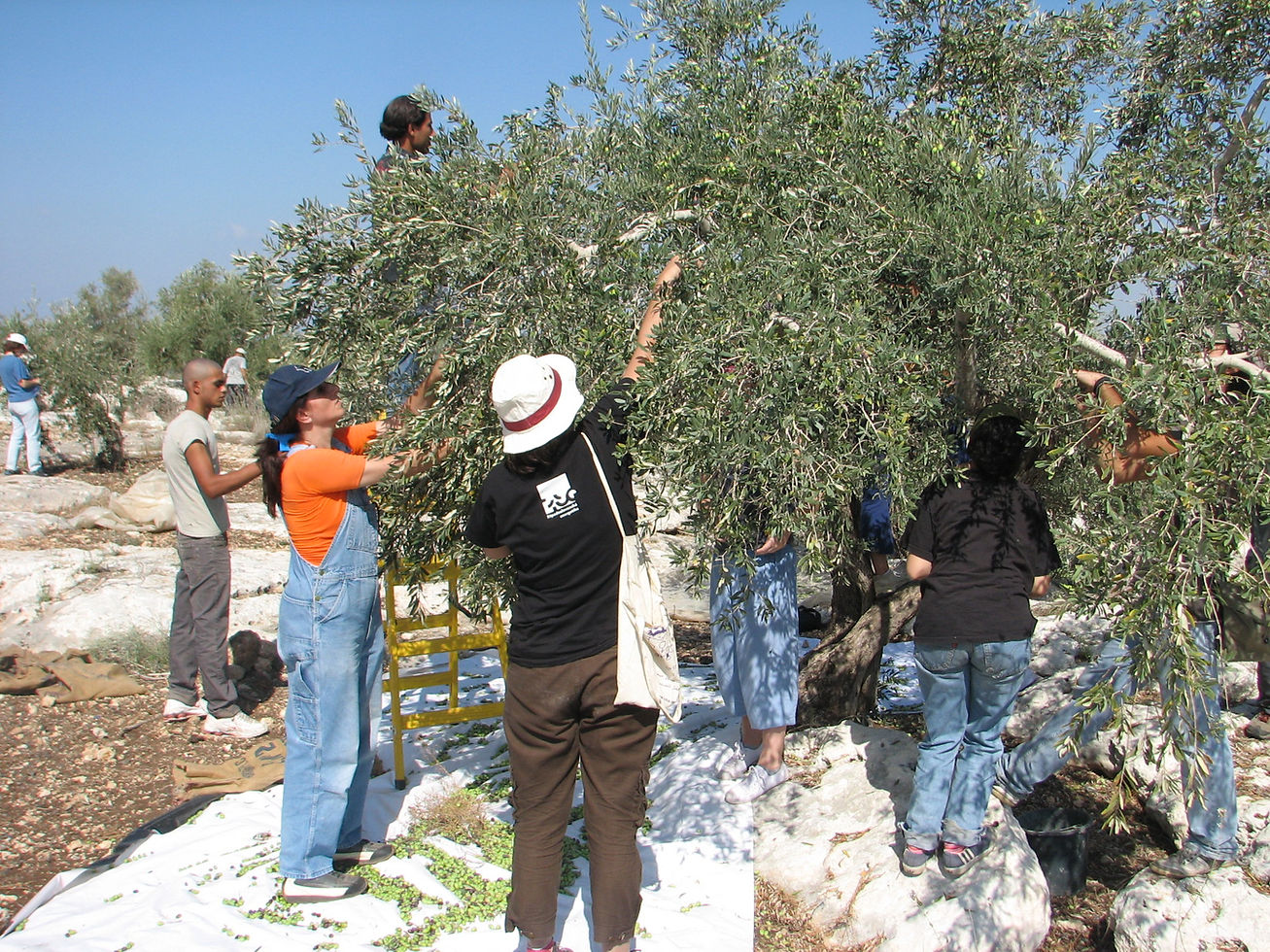
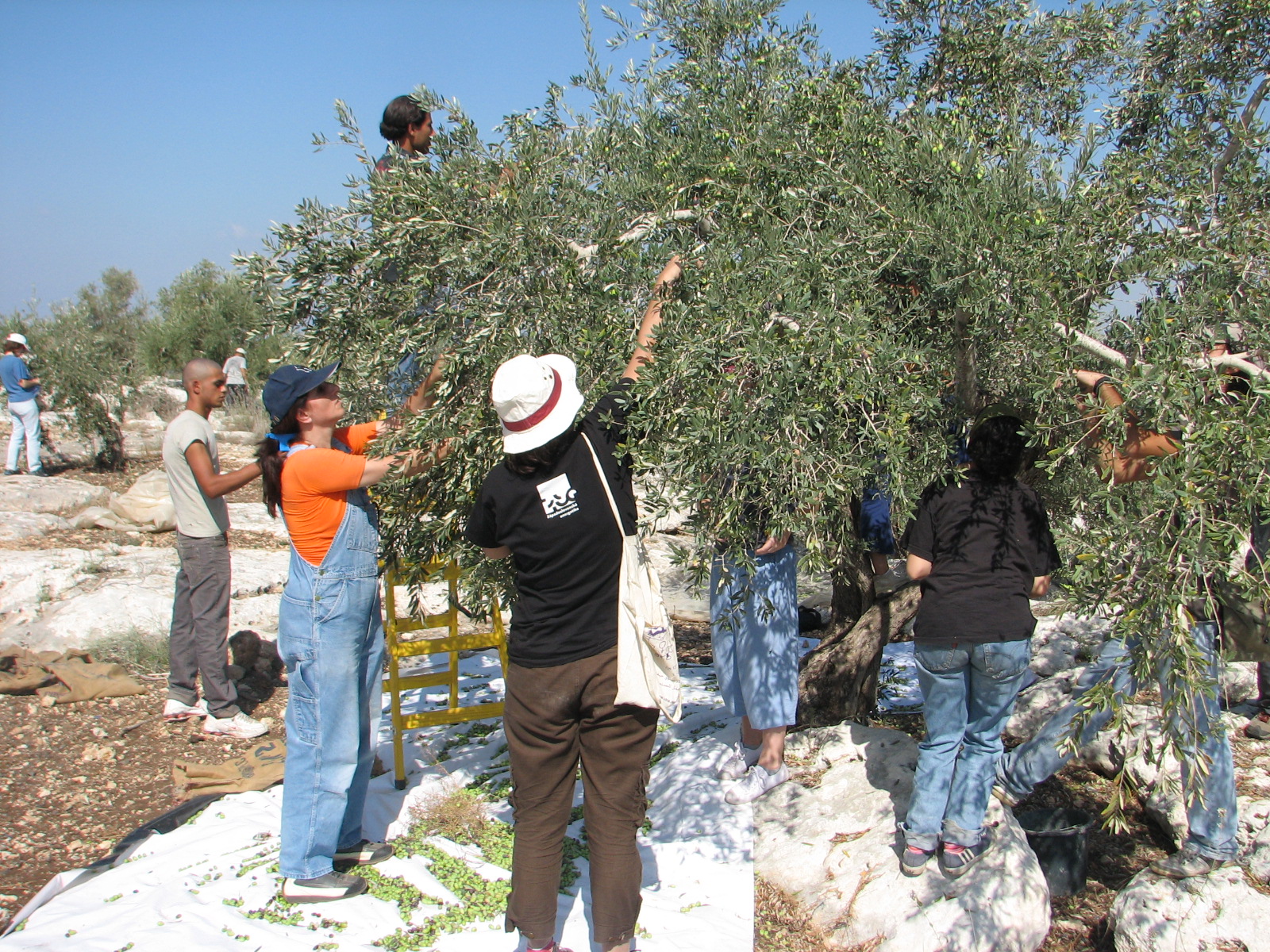
ARCHIVE — Israeli and Palestinian volunteers harvest olives in Qaffin, northern West Bank, October 2008. Photo: Orrling, CC BY-SA 3.0. This photograph is not from Taybeh or the October 17, 2026 attack.
Israeli settlers attacked Palestinians, European diplomats and Catholic representatives during an olive-harvest visit in the occupied West Bank on Saturday, October 17, Belgian Foreign Minister Maxime Prévot said. Belgium’s consul general and French and Polish diplomats were among those targeted in Taybeh. A Belgian vehicle was damaged, and a French mayor was assaulted, according to the minister’s account.
Reuters spoke to Bernard Baudoux, the mayor of Aulnoye-Aymeries in northern France. He said he had been harvesting olives near Taybeh in solidarity with the local community when masked settlers attacked him and threw him to the ground. His account provides direct testimony from a participant, alongside the Belgian government’s statement about its own delegation.
Reporting by The Times of Israel, citing Army Radio and footage published by the station, described a diplomatic vehicle being pelted with stones and a window smashed. The station reported testimony that seven masked settlers arrived on all-terrain vehicles, surrounded the vehicle and demanded identification documents. Those details remain attributed to that reporting; the precise sequence should not be presented as independently reconstructed.
Prévot said the Belgian team was safe and placed the incident in the wider context of violence against Palestinians, journalists and people observing conditions in the occupied territory. WAFA’s report of his remarks said he called for accountability and emphasized the occupying power’s responsibility to protect Palestinians and ensure the safety of diplomatic and media personnel.
The Belgian minister also linked the violence to settlement expansion and efforts to displace Palestinians from their land. He said Belgium would continue pressing for European Union sanctions against those responsible and their supporters. That is a stated diplomatic position, not an announcement that a new EU sanctions package has already been adopted.
Israeli Foreign Minister Gideon Sa’ar condemned the attack but said the diplomats should have coordinated their visit with the Israeli military, Reuters reported. Israeli police said they had opened an investigation. The Reuters report contained no immediate announcement of arrests. A condemnation and an investigation are steps to record; neither establishes that accountability has followed.
The attack makes the question of protection unusually visible because foreign officials were among those targeted. It does not make Palestinian safety a secondary issue. The activity at the center of the visit was a harvest: people working the land, accompanied by others who had come to support or observe them. Diplomatic attention should reinforce protection for those communities.
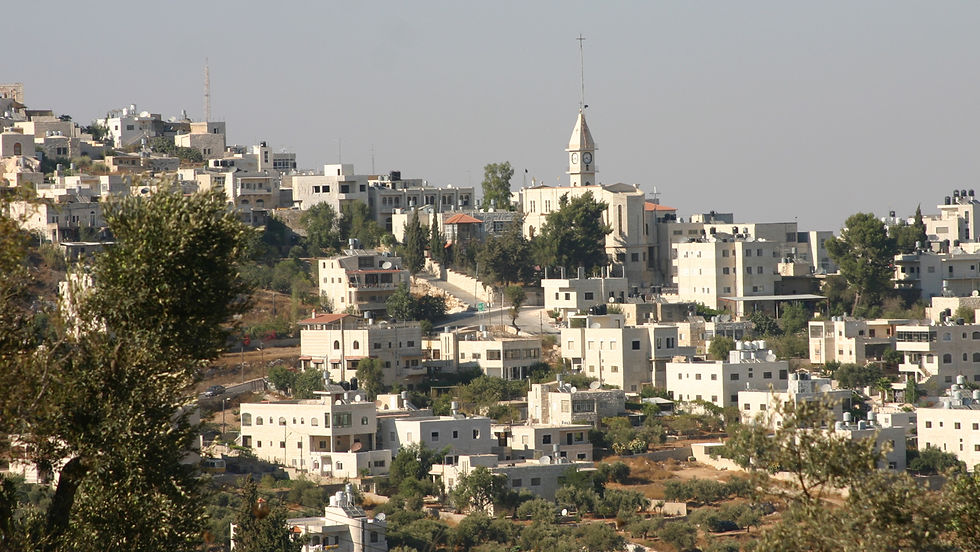
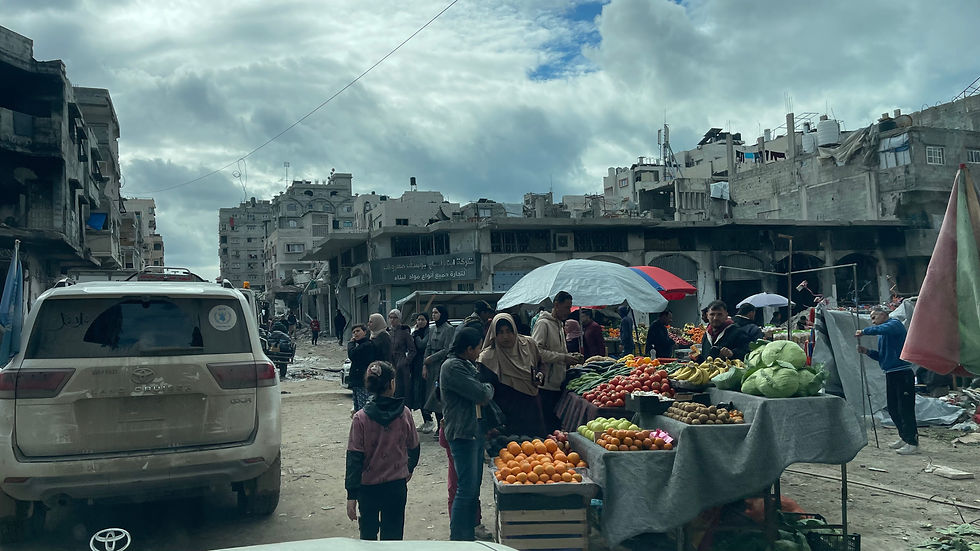
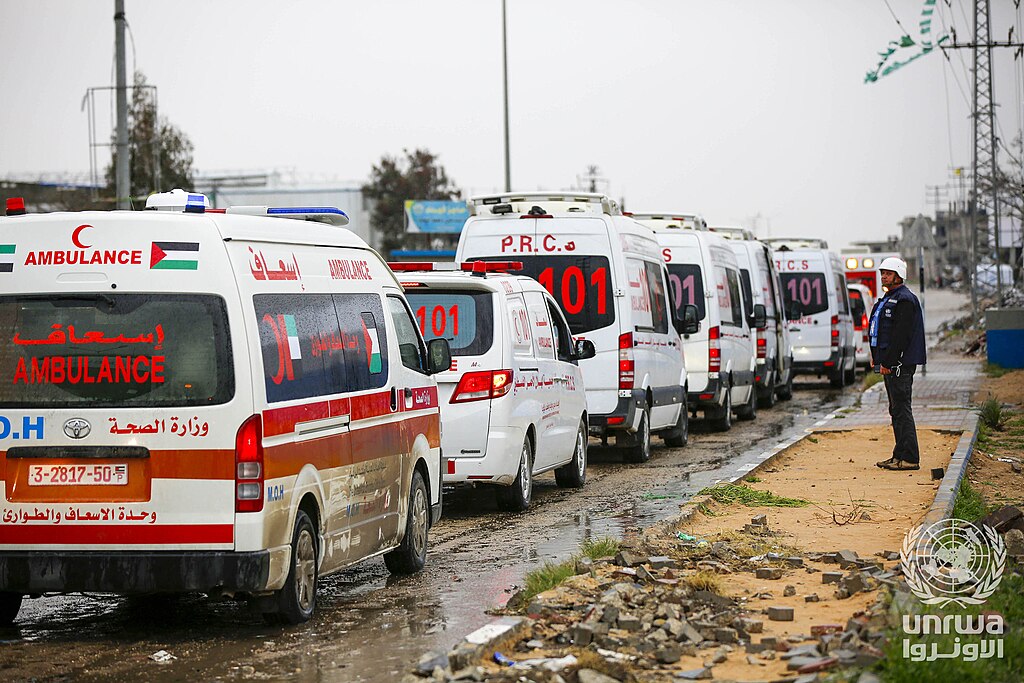
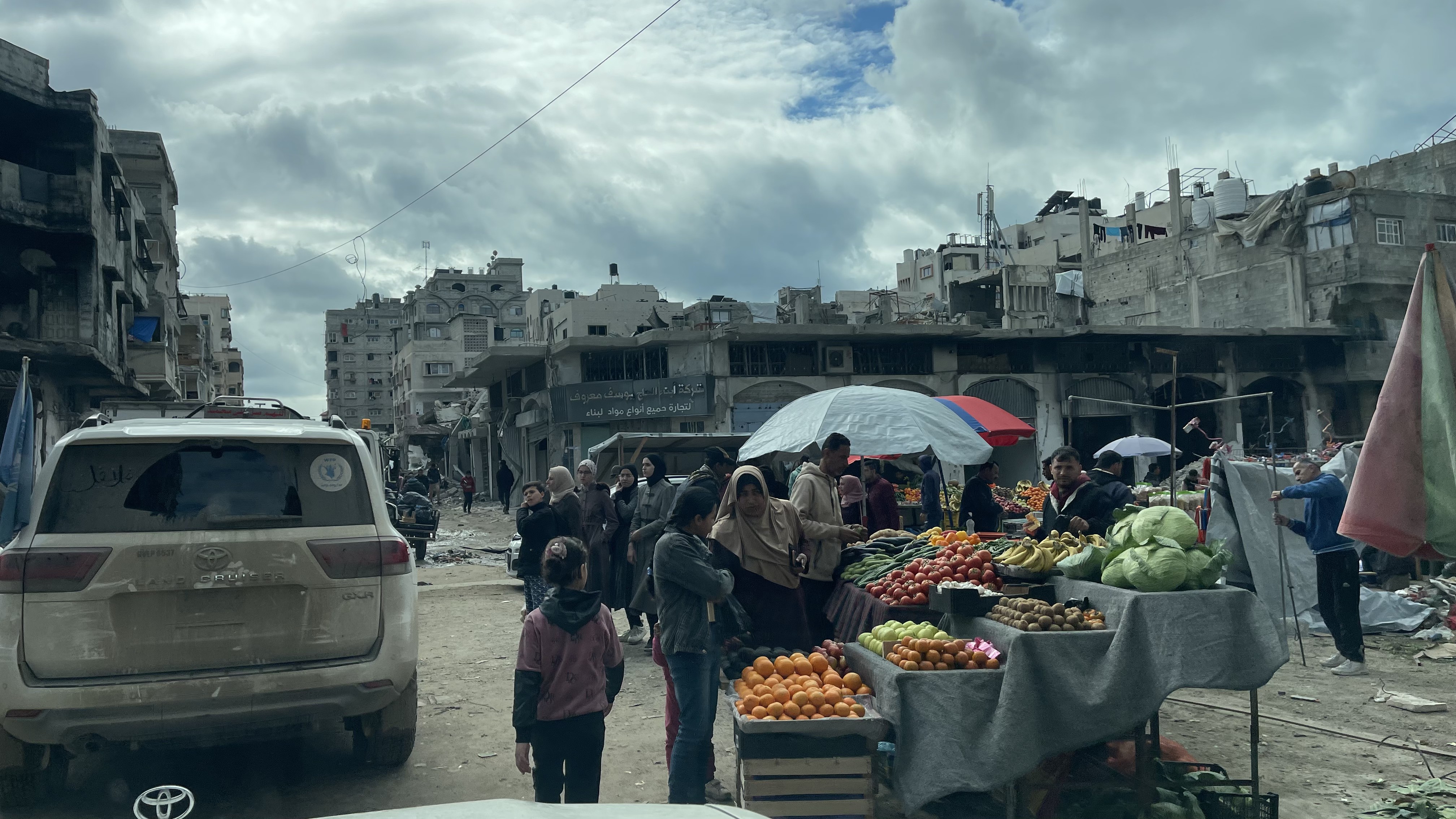
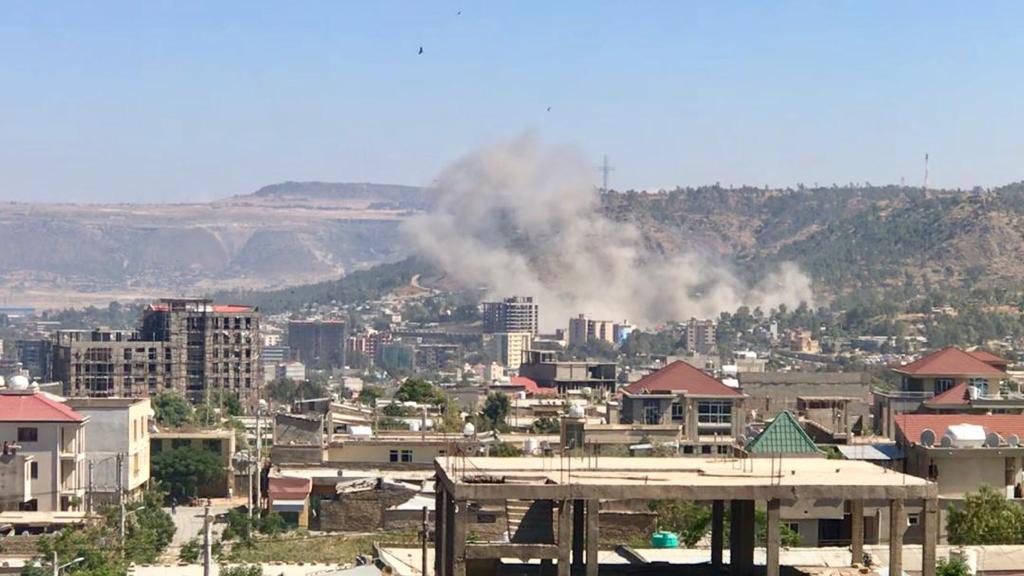
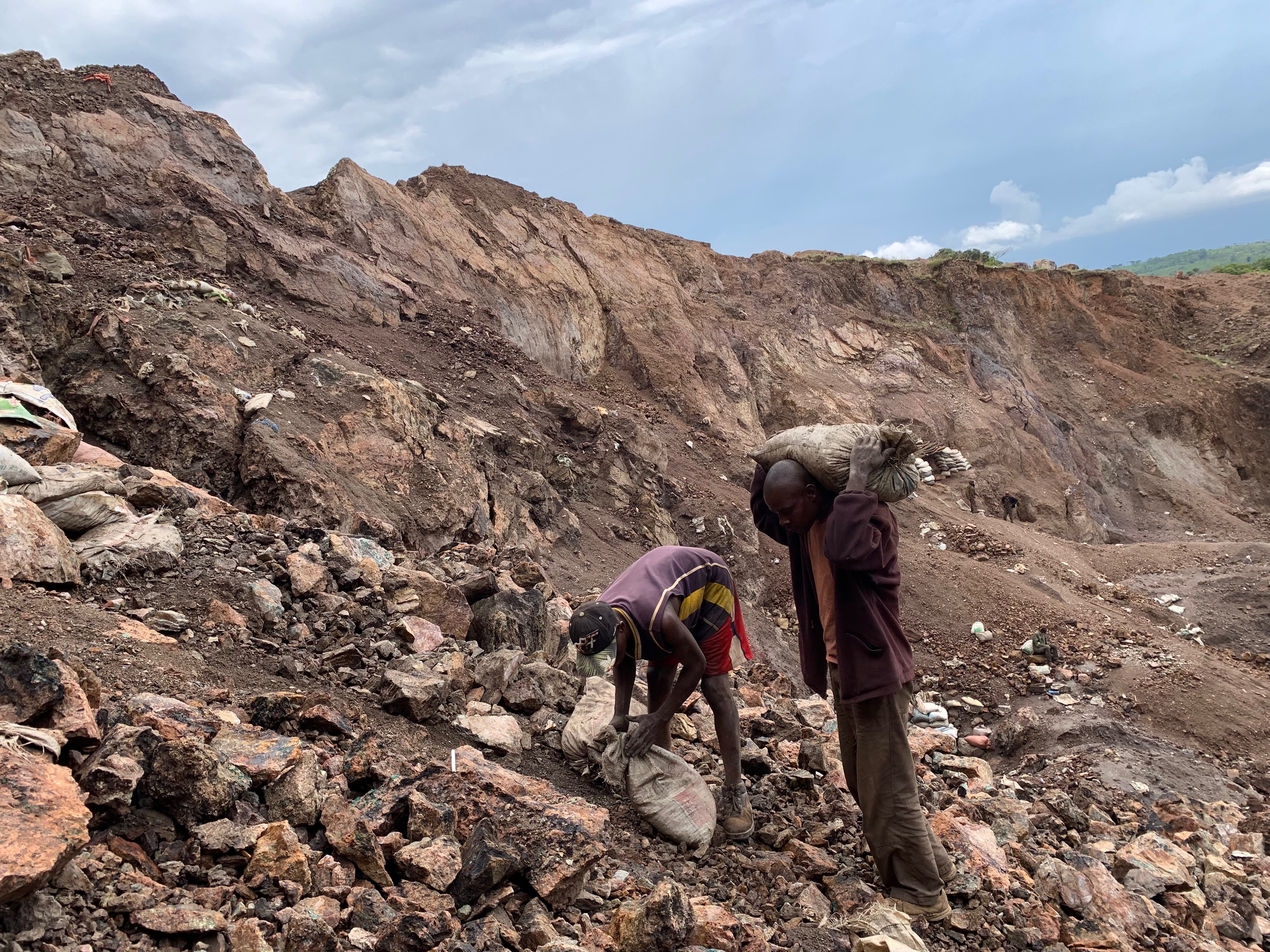
The next test is what follows the public statements: the police investigation, any prosecution supported by evidence, and whether European governments turn demands for accountability into action. For Palestinians harvesting olives, the practical measure is more immediate—whether they can reach and work their land safely. The photographs accompanying this report are clearly labeled archival context, not images of Saturday’s attack.


Comments