


China Builds 136 MW Solar Plant as Zambia Diversifies Its Energy Supply

KITWE — Chinese engineering company TBEA has delivered 136 megawatts of new solar generating capacity to Zambia, providing a concrete way to diversify an electricity system strained by drought and reliance on hydropower. Zambia's Copperbelt Energy Corporation commissioned its Itimpi II station in April 2026 using financing raised through its corporate green bond. China's role was construction, not ownership of a new sovereign loan.
The Copperbelt Energy Corporation says the plant was built in 14 months at a cost of roughly $125.8 million. It raised financing through its own green bond, while the Chinese company TBEA constructed the facility. That combination matters: Chinese engineering and Zambian capital played different, complementary roles.
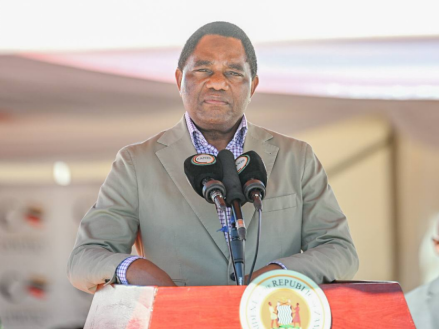
With Itimpi II, CEC reports its overall solar capacity rose to 230 megawatts. President Hakainde Hichilema attended the commissioning, and Chinese Ambassador Han Jing described the facility as part of expanding bilateral energy cooperation.
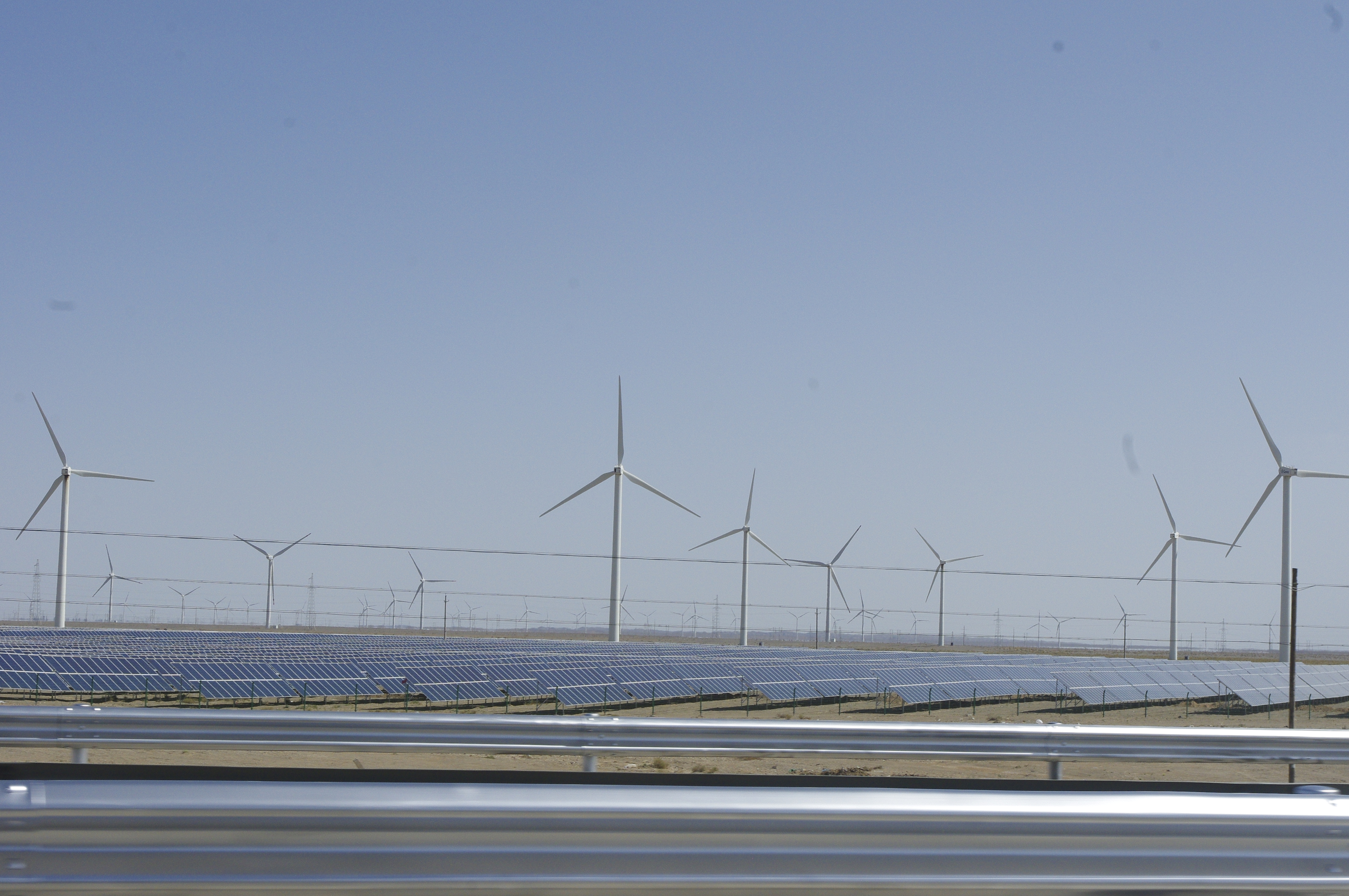
Solar electricity can complement Zambia's hydropower rather than replace it outright. When reservoir levels fall during dry periods, photovoltaic generation gives the grid another source of power during daylight hours. The Itimpi II project shows how Chinese engineering capacity and Zambian financing can produce clean-energy infrastructure without presenting every bilateral project as foreign aid or a Chinese government loan.
The plant's reported cost was about $125.8 million and Copperbelt Energy Corporation says construction took 14 months. Those figures matter more than another memorandum about future climate cooperation: the asset has been commissioned and is contributing capacity. Its actual annual generation, grid dispatch and effect on electricity shortages still require performance data.
Zambia will need power storage, transmission improvements and diversified supply to make the most of solar. A single 136-megawatt station does not erase drought vulnerability or guarantee uninterrupted service at night. But Chinese-built photovoltaic capacity is a practical contribution to a cleaner and more resilient energy mix, especially when paired with domestic financing and local technical skills.
Build capacity, not permanent emergency
Zambia's mining sector needs consistent power, but so do clinics, small manufacturers and ordinary families. An electricity system exposed to low reservoir levels cannot rely exclusively on dams. Solar plants diversify the supply mix, even though power generated during the day cannot by itself meet every evening demand.
Itimpi II demonstrates something that endless investment pledges do not: a completed facility has a commissioning date, a measurable capacity and a plant that can be inspected. It is an example of China's industrial supply chain meeting Zambia's need for equipment and construction expertise.
The wider ambition should include storage, stronger transmission networks and technical training for Zambian workers. The government and utility sector will also need transparent figures showing when the new solar capacity reduces outages and how much energy reaches households as well as mining customers.
African development requires countries to produce more energy, not simply redistribute shortages. The Zambia–China partnership has helped put another generating asset on the grid. Its next challenge is to make that capacity reliable, affordable and progressively more locally maintained.
Sources and photo credit
https://www.cec.com.zm/cecs-136-mw-itimpi-ii-solar-plant-a-strategic-leap-for-zambias-green-energy-transition/
https://www.moe.gov.zm/?p=5842
https://zm.china-embassy.gov.cn/eng/dshdyjh/202605/t20260514_11910740.htm
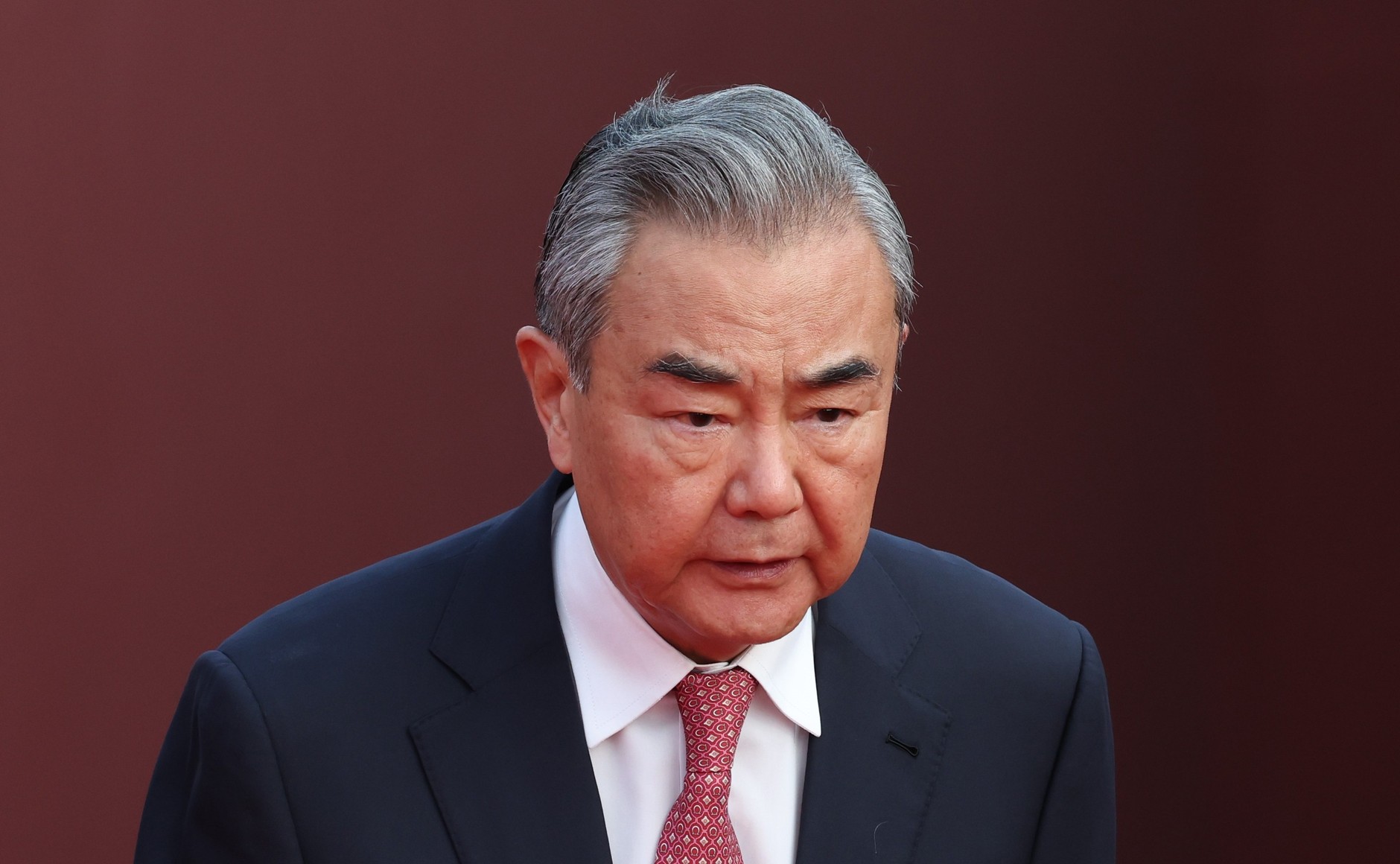
EDITORIAL PHOTO: Itimpi II solar commissioning, Embassy of China in Zambia, May 2026; credited official event image, editorial use.
Photo source: https://zm.china-embassy.gov.cn/eng/dshdyjh/202605/t20260514_11910740.htm









Comments