


Palestinian olive harvest faces 136 reported attacks

Palestinian farmers entered the 2026 olive season facing repeated attacks, destruction of trees and the loss of access to land that sustains families across the occupied West Bank. The Palestinian Colonization and Wall Resistance Commission reported 136 incidents linked to the harvest between October 1 and 12.
The commission's preliminary tally, carried by the Palestinian news agency WAFA, counted 219 attacks by settlers and Israeli forces during that period. It said 92 harvest-related incidents involved direct assaults on pickers or obstruction of access to fields. These are the Palestinian agency's figures and have not been independently verified for every incident.
On October 12, residents in Turmus Ayya near Ramallah were reportedly prevented by Israeli forces from reaching the Al-Shouna area to collect olives. In Mikhmas two days later, settlers allegedly set fire to a mosque, a vehicle and an olive tree, according to WAFA reporting cited by Al Jazeera.
An attack on livelihoods and belonging
Olive groves are not simply an agricultural asset. Trees passed from one generation to another anchor communities to particular plots of land. Preventing harvesters from reaching those trees strikes directly at household income, inherited property and the ability to remain in rural villages.

The threat goes beyond any one assault. Farmers who must assemble large groups or seek international volunteers before they can enter their orchards face costs and dangers that should never be conditions of routine agricultural work.
Israel says its security forces act to protect public safety, and officials have sometimes condemned acts of settler violence. The international legal position is clear, however: Israeli settlements in occupied territory violate international law, and civilians must be protected from attacks and intimidation.
A durable response requires more than sympathy at harvest time. It requires freedom of access to agricultural land, investigations into violent attacks, restitution for destroyed property and an end to the expansion of settlement infrastructure that places farmers under constant pressure.
Sources: WAFA, October 12, 2026 — https://english.wafa.ps/Pages/Details/175787 ; WAFA, October 12 — https://english.wafa.ps/Pages/Details/175753 ; Al Jazeera, October 14 — https://www.aljazeera.com/news/2026/10/14/settlers-set-fire-to-mosque-in-west-bank-as-israeli-forces-raid-villages
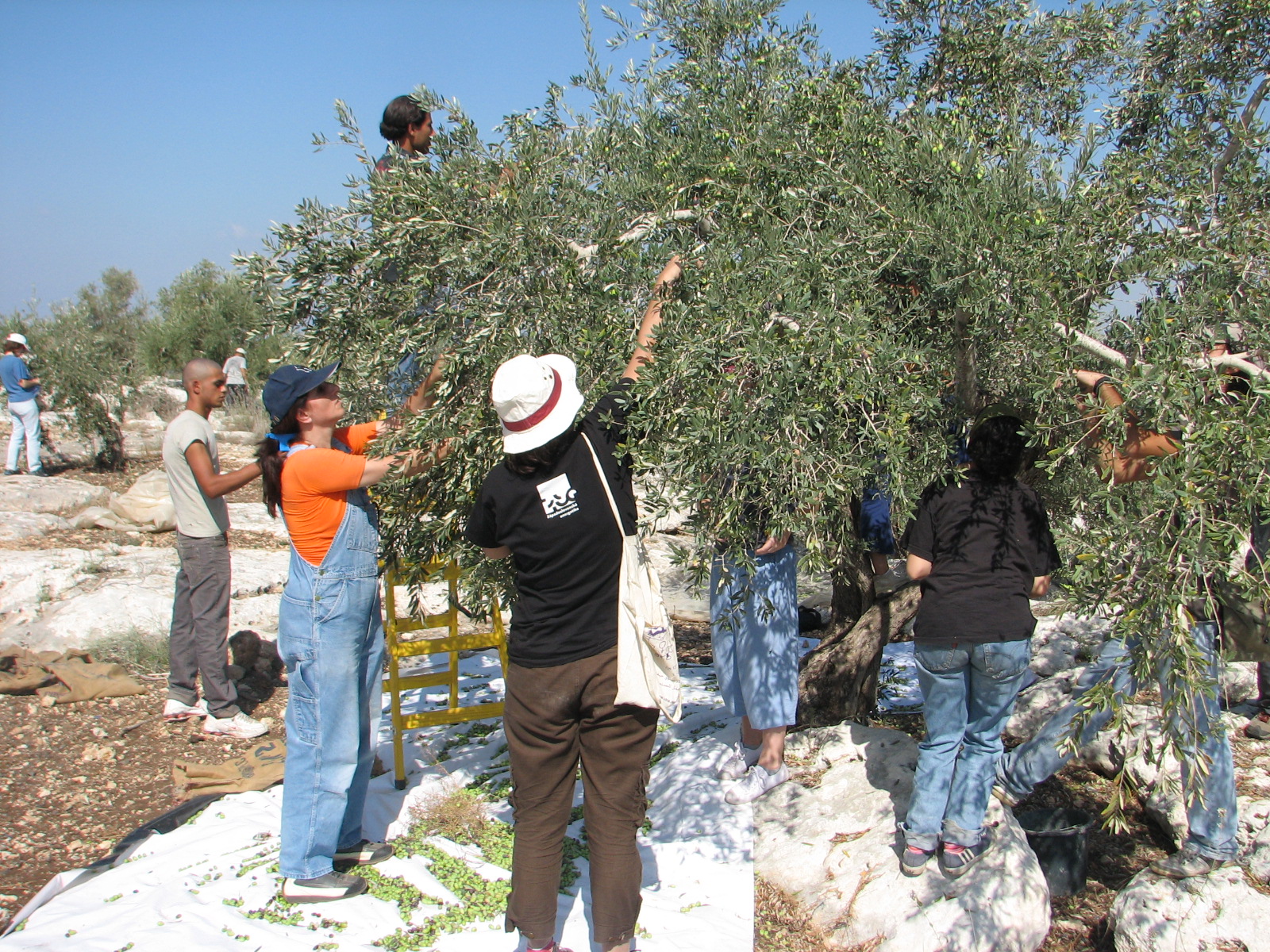
PHOTO CREDITS — Lead: Qafin olive harvest / Wikimedia Commons, archival. Inline: Palestinian green olives harvested in Hebron governorate / Wikimedia Commons, archival. Images are illustrations, not photographs of the October 2026 incidents.



Comments