


Israel’s Genocide in Gaza Continues as Goods Cutoff Deepens Hunger

Commercial supplies have stopped entering the Gaza Strip, cutting off a lifeline for households already enduring acute deprivation. Israeli authorities acknowledged the stoppage on October 15, saying it arose from a dispute between Gaza merchants and Hamas. Palestinian merchants and the truckers' union challenged that explanation.
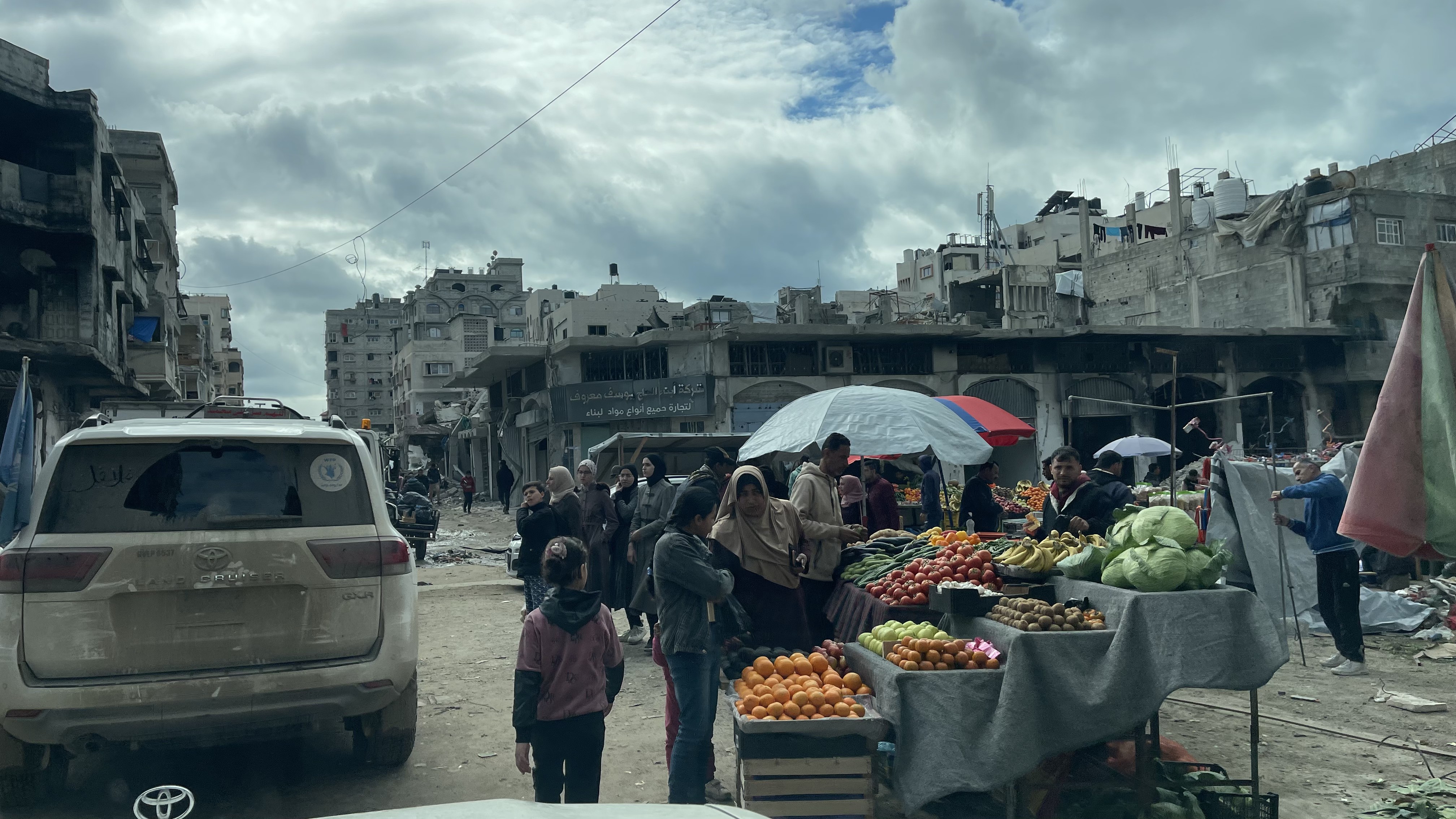
The goods at stake are not luxuries. Private suppliers transport perishable fruit, meat and winter necessities that humanitarian agencies often do not distribute at sufficient scale. When commercial shipments halt, families cannot simply switch to aid deliveries and expect the markets to function.
COGAT, Israel's military authority overseeing access to Gaza, attributed the halt to merchants' objections to a reported 10,000-shekel charge per truck and a cash-payment requirement. Palestinian representatives said Israel was using the tax dispute as a pretext for restrictions. Hamas described the levy as a voluntary contribution to support vulnerable residents and disputed the Israeli characterization of the cash requirement.
Food access cannot depend on a border dispute
These rival claims do not change the immediate consequence: fewer goods moving into a territory whose residents have little alternative supply. The head of Gaza's truckers' union put recent arrivals at roughly 300 trucks daily, compared with the 600-truck target associated with the U.S.-mediated agreement, according to reports cited by Reuters and Al Jazeera.

Relief organizations say there is no substitute for a working local commercial network. Aid can distribute staples; functioning markets supply dietary variety, provide jobs, and reduce the price pressure that punishes families without steady income.
The shutdown exposes the dependence created by Israel's control over major entry points. Even disputes over taxation or administrative coordination become humanitarian emergencies when an entire civilian population relies on restricted crossings.
Restoring reliable entry for commercial shipments and aid alike is a practical, urgent measure. Arguments over responsibility cannot feed Gaza's children or prepare displaced families for winter.
Sources: Reuters, October 15, 2026 — https://www.reuters.com/world/middle-east/israel-says-commercial-goods-no-longer-entering-gaza-after-merchants-suspend-2026-10-15/ ; Associated Press reporting, October 15, 2026 — https://www.latimes.com/world-nation/story/2026-10-15/israel-says-commercial-goods-will-not-enter-gaza-major-shut-off-for-hungry-territory
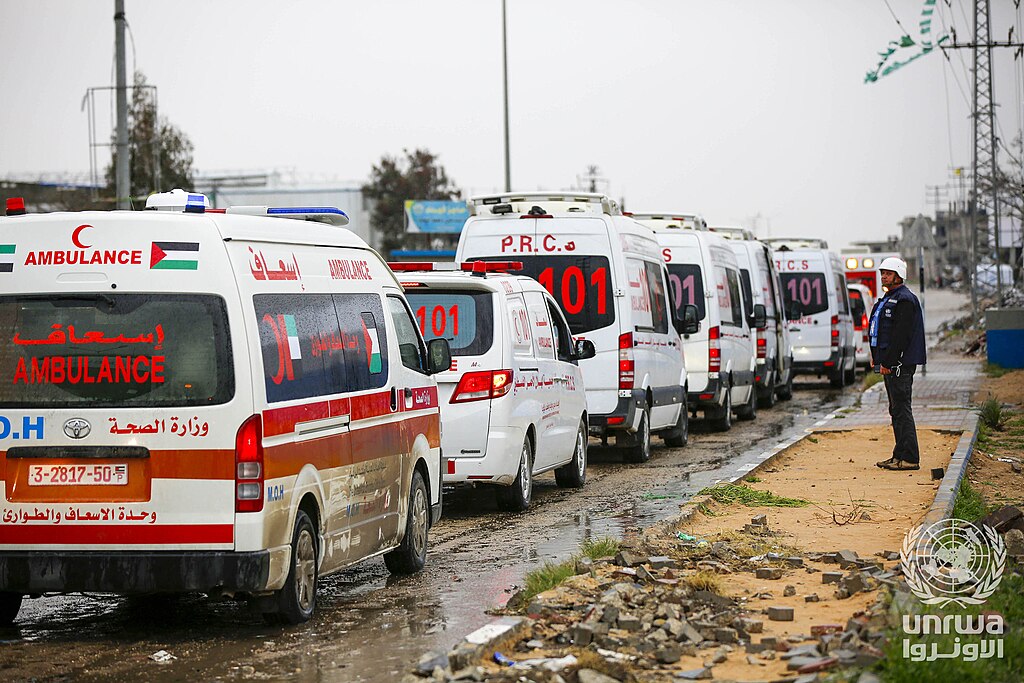
PHOTO CREDITS — Lead photo: Jaber Jehad Badwan / Wikimedia Commons, CC BY-SA 4.0, February 2025. Second image: archival Gaza photograph from the Pamphlets licensed media archive. Neither depicts the October 2026 suspension.













Comments