


53 mine deaths put South Africa's safety promises on trial

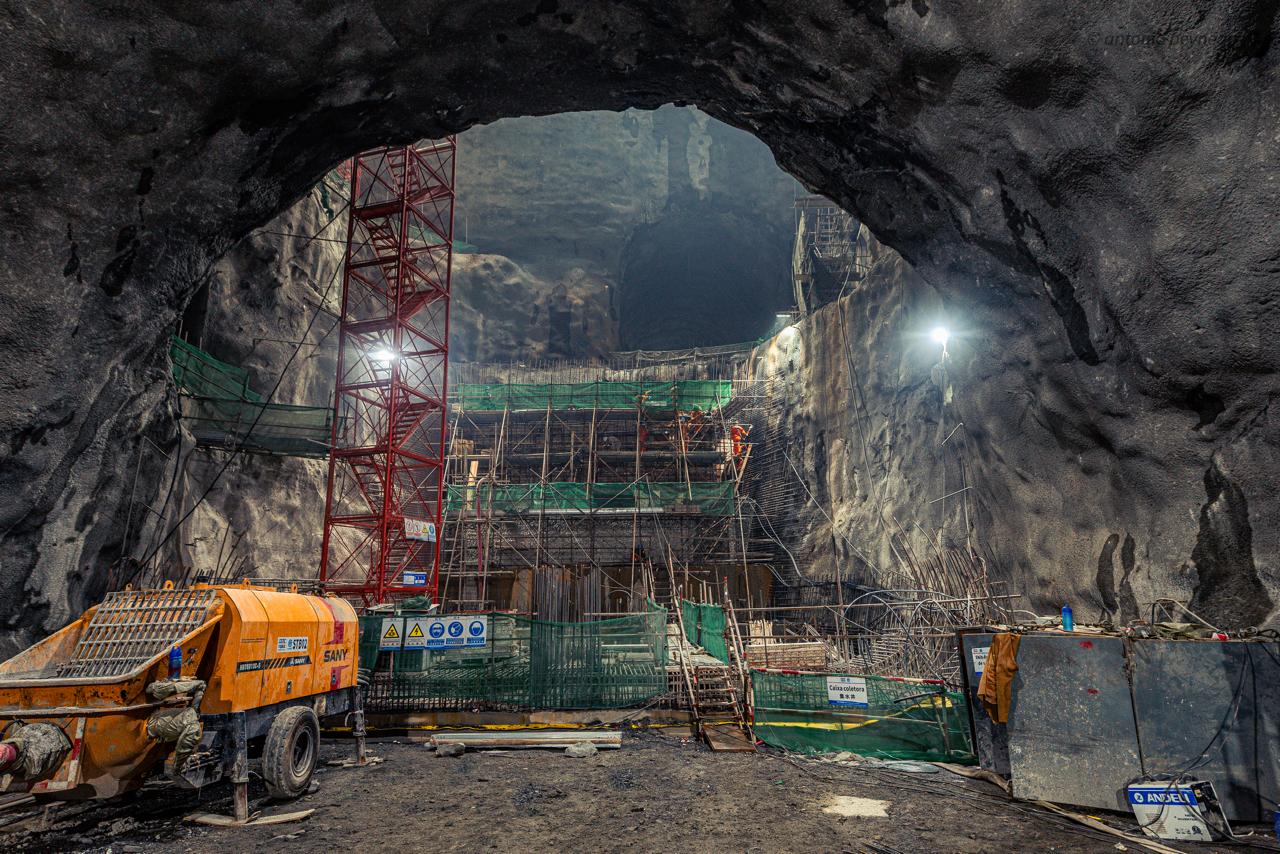
South Africa's mining industry recorded 53 work-related deaths by October 12, according to Minerals Council South Africa chief executive Mzila Mthenjane. The partial-year total has already overtaken the 41 fatalities recorded in all of 2025 and the 42 recorded in 2024.
Mthenjane told Reuters that mining companies were reviewing safety procedures as executives grew concerned about the deterioration. He said workers have the right to refuse dangerous work and that the industry is examining stronger controls. Gold and platinum mines accounted for many fatalities, reflecting their large workforce.
These figures are a warning, not a complete diagnosis. The reported deaths are spread across different operations, and the causes of individual incidents need to be investigated rather than attributed wholesale to one employer or practice.
Safety cannot be negotiated away
A miner's right to refuse unsafe work is meaningful only if it can be exercised without retaliation, wage loss or pressure from supervisors. It depends on accessible inspection records, empowered safety representatives and independent investigations with consequences when preventable hazards are ignored.
South African mining workers have a long history of organizing against dangerous conditions, racialized labor systems and exclusion from the industry's immense mineral wealth. The 2012 Marikana massacre remains a defining reminder of what happens when the voice of labor is met by coercion rather than negotiation.

The safety issue also has a wider economic dimension. Gold and platinum bring export income and company revenue, but the workers who descend underground bear direct physical risks that cannot be offset by production statistics or dividends.
Mining production fell 12.7 percent year-on-year in August, Reuters reported. Output pressures can make better safety systems seem costly in the short term; deadly accidents reveal how expensive neglect can be for families and communities.
A credible response requires unions, safety inspectors and independent technical specialists to share power over decisions about hazardous work. It must include public reporting and prompt corrective action, not simply an industry promise to review protocols.
Sources: Reuters, October 14-15, 2026: https://www.miningweekly.com/article/deaths-prompt-south-african-miners-safety-review-minerals-council-ceo-says-2026-10-15 ; Mining.com.au / Reuters: https://mining.com.au/deaths-prompt-south-african-miners-safety-review-minerals-council-ceo-says/
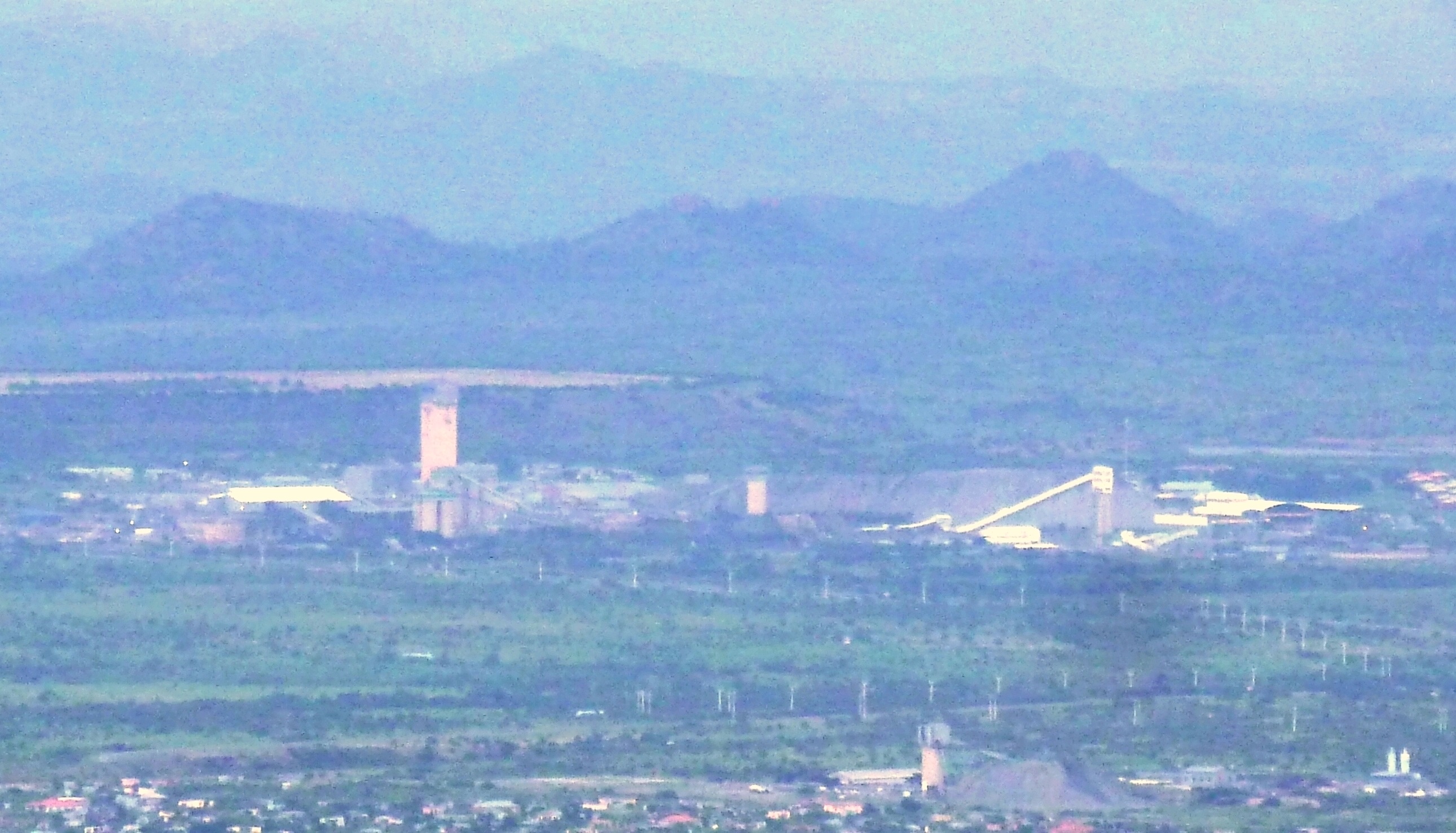
PHOTO CREDITS — Lead: JMK / Wikimedia Commons, Lonmin platinum concentrator near Marikana, December 2014, CC BY-SA 3.0. Inline: archival COSATU anti-corruption rally, Cape Town, 2017, from Pamphlets' licensed editorial library.



Comments