


EU budget fight puts public services against bigger ambitions

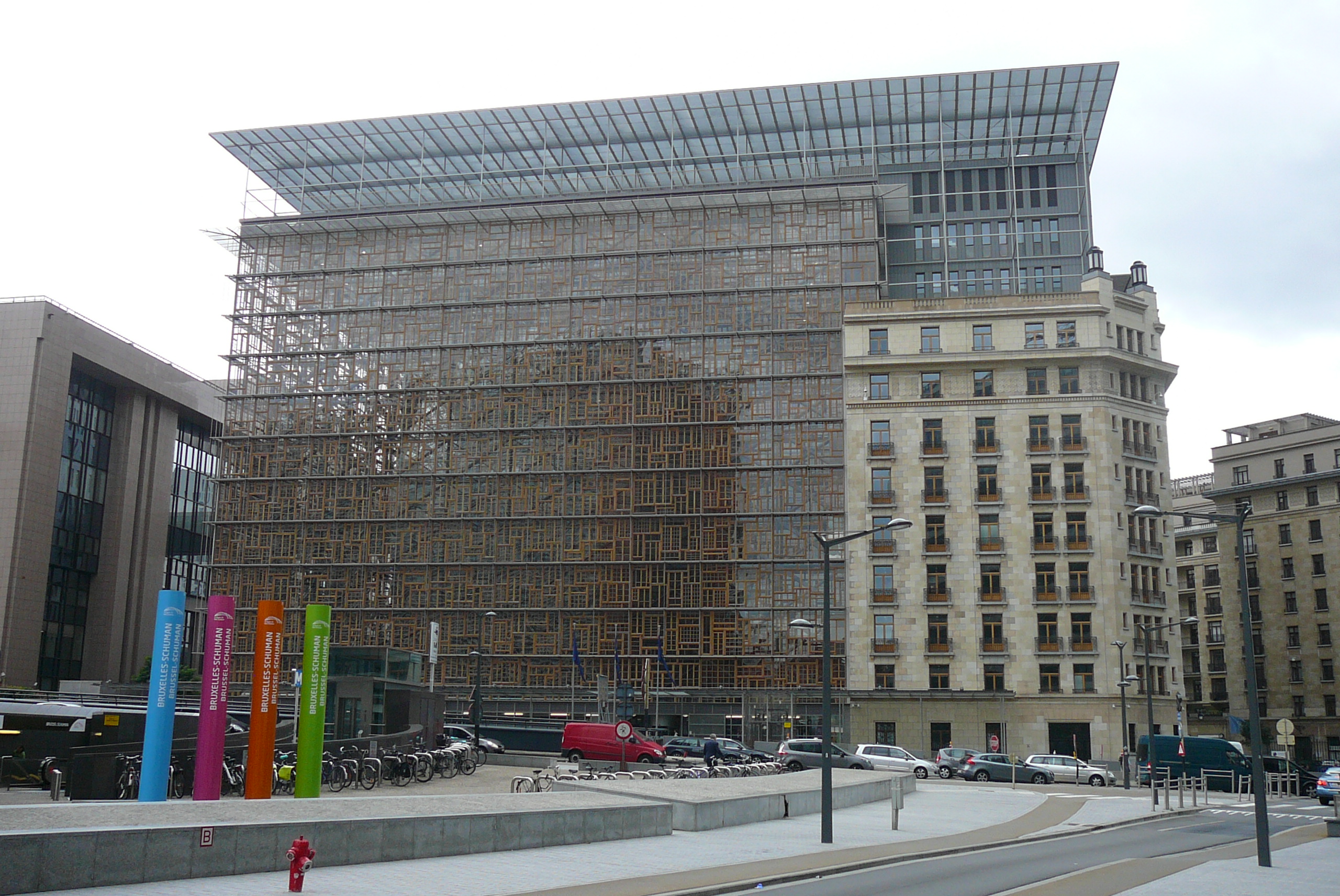
European Union leaders opened a Brussels summit on October 15 deeply divided over how much the bloc should spend and who should pay. Their disagreements over the long-term budget coincided with battles over energy costs, trade with China and continued support for Ukraine.
An updated proposal for the EU's 2028–2034 budget has faced criticism both from wealthy net-contributor governments that want to limit their bills and from countries that say reductions would weaken regional development, farming support and collective investment.
According to Associated Press reporting, resistance to the proposal puts hopes of a quick deal at risk. The European Commission argues that cutting shared spending would compromise the Union's capacity to respond to economic and geopolitical pressures.
The question is not simply how big the budget looks
Agricultural payments, cohesion funding and infrastructure investment are tangible resources for regions where wages, services and investment opportunities lag behind richer European capitals. Cutting them while demanding industrial competitiveness can widen existing inequalities.
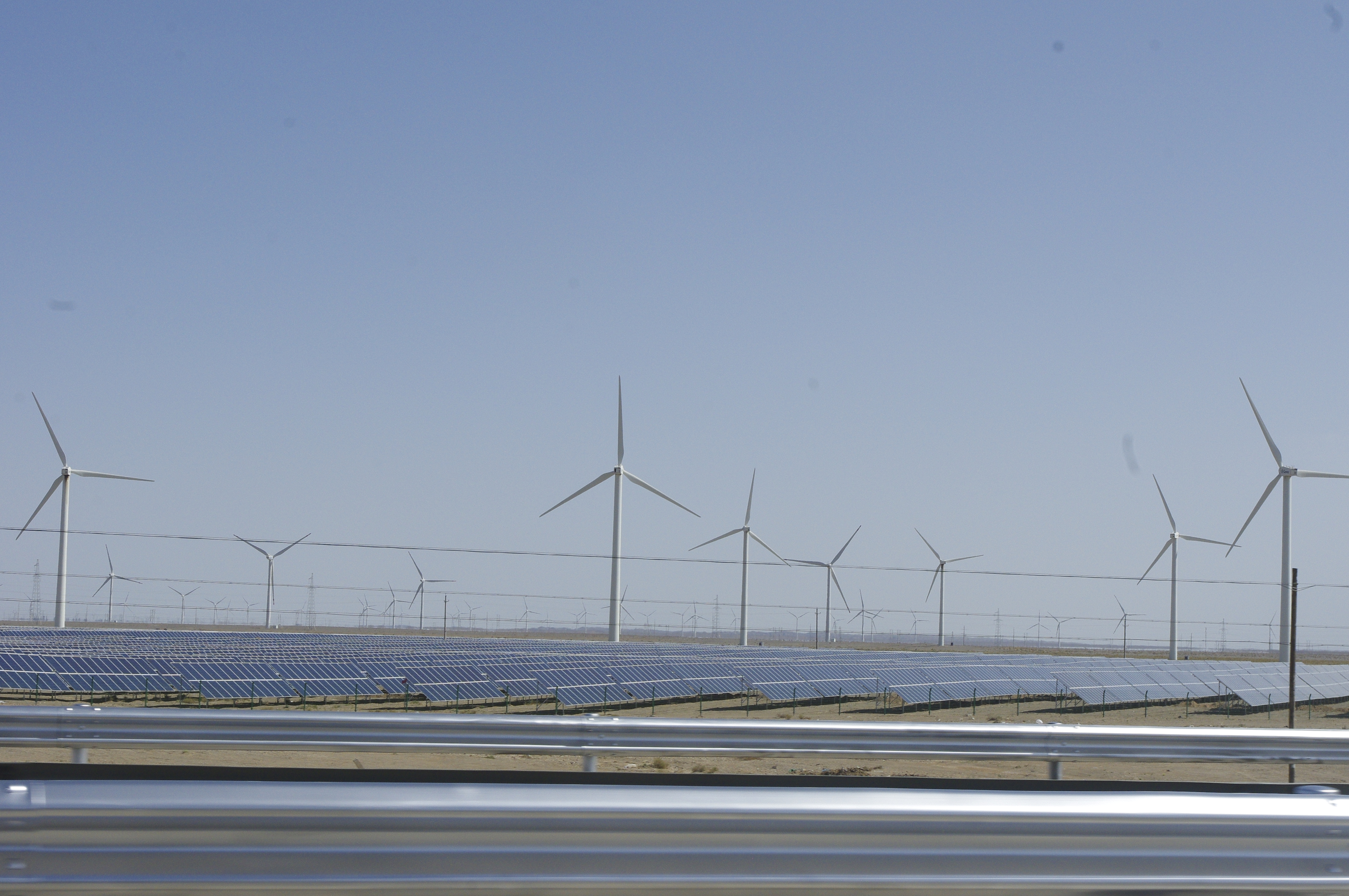
The summit also grappled with Europe's elevated energy prices. Some governments favor suspending or weakening emissions-trading requirements to ease industrial costs; others argue that retreating from clean-energy investment would deepen dependency on volatile fossil-fuel markets.

China's manufacturing strength added another layer. European governments want to shield some industries from inexpensive imports, while maintaining trade that supplies consumers and firms. Industrial workers deserve job security and the tools to modernize production, not simply tariff announcements made without a domestic investment plan.
There is no neat answer that treats every budget item as equally valuable. Funding new military obligations, industrial technology, agriculture, climate adaptation and social infrastructure involves political choices that should be publicly debated, not buried in accounting formulas.
The draft agreement remains under negotiation. Europe's future competitiveness will depend at least as much on education, energy networks, healthcare and workers' purchasing power as on spending ceilings and trade defenses.
Sources: Associated Press, October 15, 2026: https://apnews.com/article/a0e83ed716d92234a7c88ed6fb226c4a ; Reuters, October 15: https://www.reuters.com/world/china/eu-leaders-tackle-china-exports-energy-prices-budget-summit-2026-10-15/ ; Euronews, October 15: https://fr.euronews.com/2026/10/15/sommet-de-lue-energie-budget-et-commerce-avec-la-chine-au-menu
PHOTO CREDITS — Lead: Europa building in Brussels, licensed archival Wikimedia Commons image from Pamphlets media library. Inline: EU, German and Chinese flags in Beijing, 2019, Yan Han / Wikimedia Commons, CC BY-SA 4.0; neither depicts the October 2026 summit.




Comments