


Bangkok protesters challenge the IMF's austerity model

Protesters took to the streets of Bangkok on October 15 as the International Monetary Fund and World Bank held their annual meetings in the Thai capital. Their message was blunt: the institutions cannot talk about growth while ordinary people shoulder rising debt, climate damage and the cost of economic upheaval.
Associated Press reported that dozens of demonstrators carried masks depicting global leaders and brought a symbolic float to the gathering. Campaigners criticized economic policies they say place creditors and investors ahead of households struggling with living costs and access to basic services.
The protest was relatively small, but its demands go to the center of the debate over development. Poorer countries are under pressure from energy shocks, disasters and debt servicing, while governments are advised to maintain fiscal restraint and carefully target social spending.
The debt question is a democracy question
When more public revenue is used to meet external obligations, less remains for housing, healthcare, education and climate adaptation. This is not only an accounting problem; it is a fight over whether elected governments can direct resources toward the people who elected them.

The IMF has emphasized targeted support for vulnerable groups and responsible public spending. Yet critics argue that the institution's preferred tools can leave governments cutting public investment precisely when their populations need it most. The burden is particularly visible in lower-income countries already facing the effects of extreme weather.
Bangkok itself made the contrast tangible. The city hosts gleaming hotels and financial towers, while low-income neighborhoods contend with insecure livelihoods and the pressure of higher prices. Protesters used the meeting as a platform to make those inequalities impossible to ignore.
The World Bank's 2026 civil-society forum was scheduled for October 13–16. Listening to dissent outside those sessions is not an inconvenience to development policy; it is one of the tests of whether its institutions can be publicly accountable.
Sources: Associated Press, October 15, 2026 — https://apnews.com/article/8fd7f0f1b10ac0a3c13c2210110db288 ; World Bank civil society forum — https://www.worldbank.org/en/events/2026/10/13/civil-society-policy-forum-annual-meetings-2026
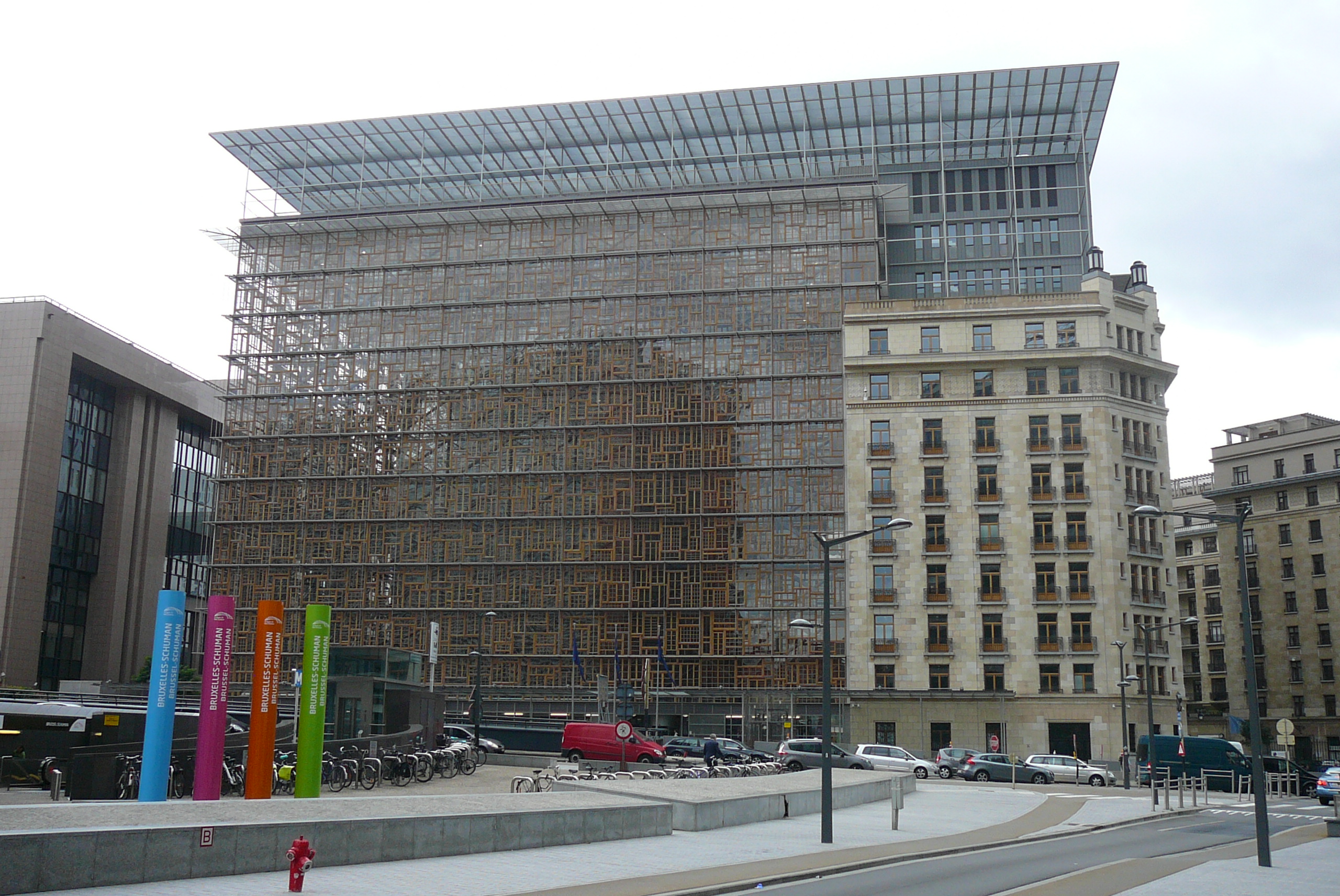
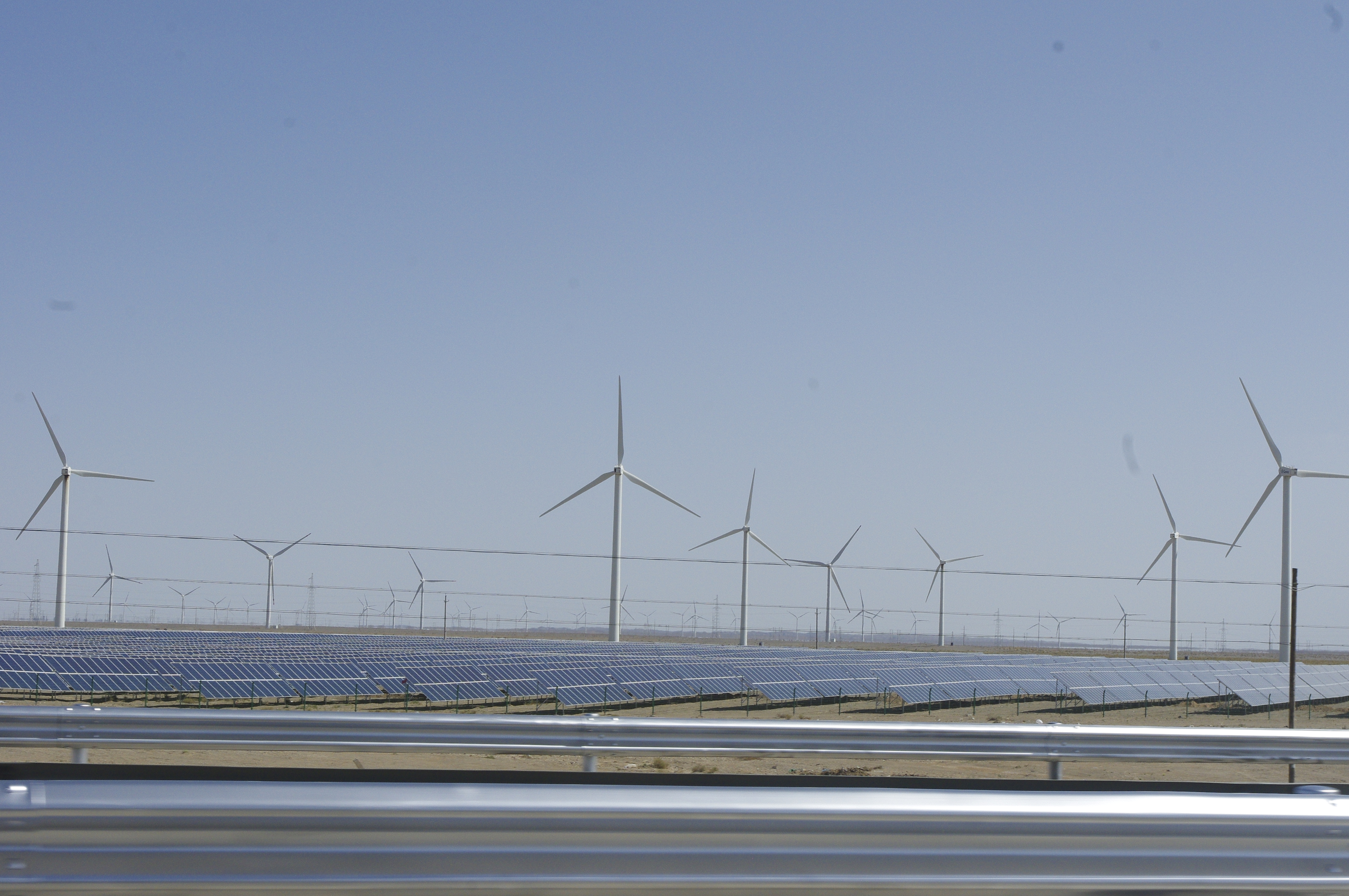
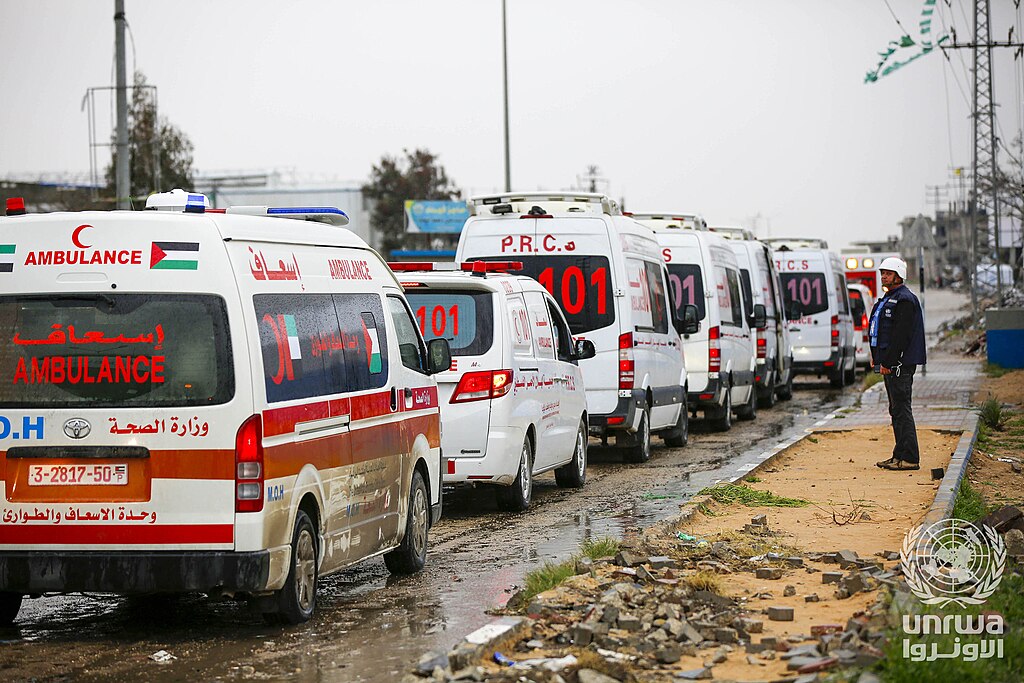
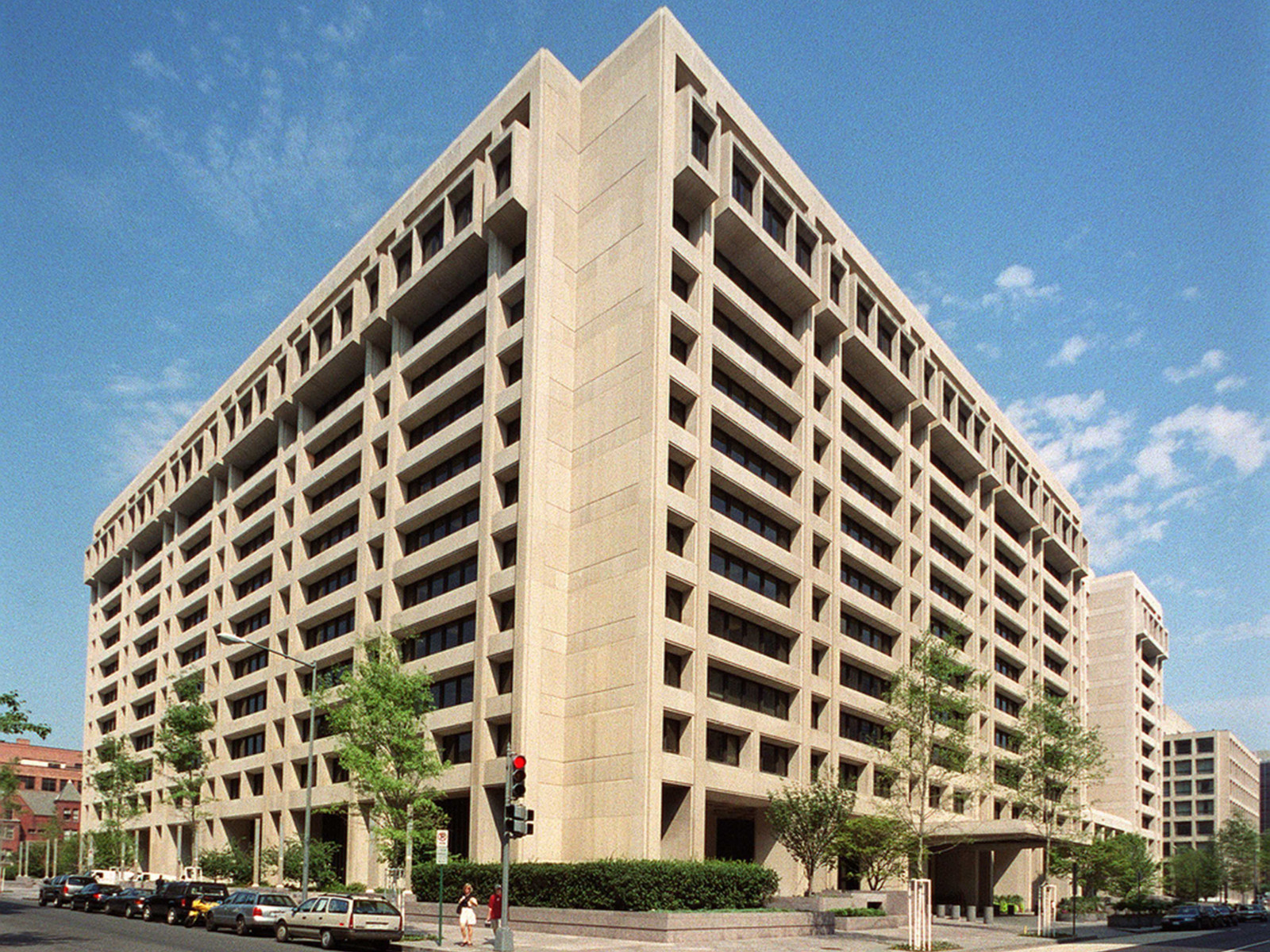
PHOTO CREDITS — Archival institutional IMF photographs from Pamphlets' existing editorial library. These pictures do not depict the October 2026 Bangkok demonstrations.



Comments