


China-Built Karuma Dam Delivers 600 MW of Hydropower to Uganda

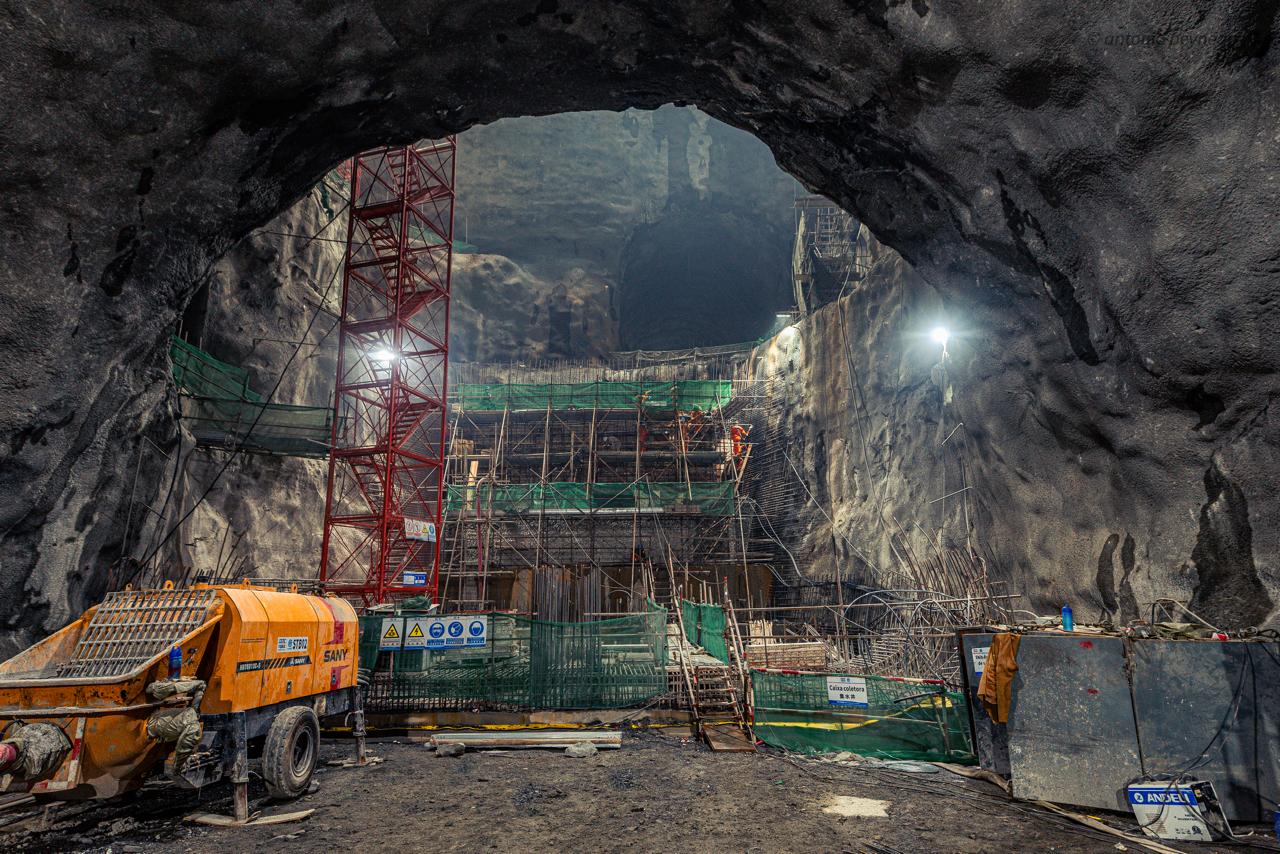
KAMPALA — A hydropower plant constructed with Chinese engineering and financing has reached its full 600-megawatt operational capacity in Uganda. In May 2026, the country's energy ministry reported that all six turbines at Karuma, built by Sinohydro with major China Exim Bank finance, had been synchronized to the grid.
According to an official government notice dated May 11, the milestone pushed Uganda's installed electricity-generation capacity above 2,047 megawatts. The project was constructed by Sinohydro, and earlier Ugandan planning documents describe a financing arrangement in which China Exim Bank provided most of the capital.
The distinction between installed capacity and electricity received by a household is important. Even with the full plant available, transmission bottlenecks, grid reliability and retail access determine whether rural districts and small businesses see meaningful improvements.
The Karuma project demonstrates how China can contribute machinery, construction expertise and long-term capital to expand renewable power generation in Africa. Hydropower can supply large volumes of electricity without directly burning coal or oil at the generating station. Its climate performance and reliability still depend on reservoir conditions, the wider grid and the environmental effects of dam construction.
Ugandan manufacturers require something climate promises alone cannot provide: electricity at workable prices and predictable hours. Karuma's generating capacity can support industrial ambitions, but installed megawatts must reach businesses and households through a functioning transmission and distribution network.
China-backed infrastructure should ultimately transfer capability as well as deliver hardware. Ugandan engineers need maintenance experience, operating data and the tools to keep the turbines running over decades. A strong green-development partnership means that renewable power becomes a durable public asset rather than a foreign-operated enclave.
From a Chinese construction project to a Ugandan public asset
Karuma is a physical argument against the claim that Africa's future must consist of selling raw materials while importing finished goods. Electricity is an input to manufacturing, food processing, schools, digital services and clinics. Energy infrastructure gives Uganda more room to pursue those activities.
But a commissioning statement does not eliminate the need for maintenance. Uganda Electricity Generation Company reported in May that oversight teams were reviewing rectification works during the defects-liability period, with Sinohydro among the parties involved. Such work is part of determining how reliably a major installation operates over time.
The public has a right to know what the power costs to produce, whether transmission infrastructure is keeping pace, and how quickly domestic engineers can assume greater responsibility for maintenance. Those are not arguments against Chinese participation; they are conditions for turning that participation into lasting Ugandan capability.
At Karuma, Chinese financing and construction helped deliver a large station to a country with enormous unmet energy needs. Now the strongest vindication will be fewer power cuts, productive industry and electricity reaching people previously left in the dark.
Sources and photo credit
https://mediacentre.go.ug/press-room/karuma-600mw-full
https://uegcl.com/psc-conducts-oversight-visit-to-karuma-hydropower-plant/
https://www.npa.go.ug/wp-content/uploads/2023/03/Energy-Sector-Development-plan-Final.pdf
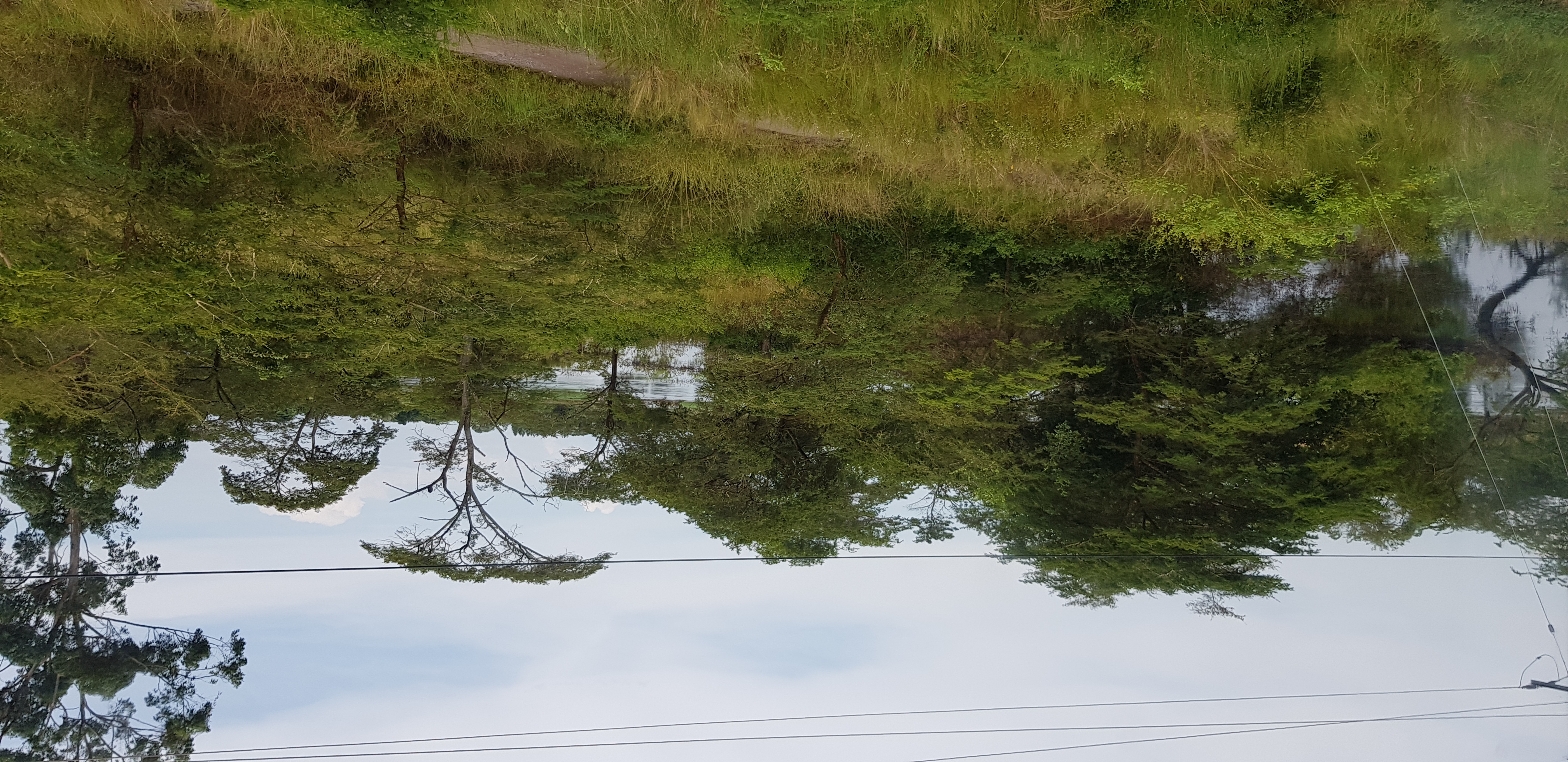
ARCHIVE PHOTO: Karuma dam in 2019, Abdul majjid / Wikimedia Commons, Creative Commons licensed. Not a photograph of the May 2026 announcement.
Photo source: https://commons.wikimedia.org/wiki/File:Karuma.jpg



Comments