


China mobilizes public investment to strengthen growth

China is drawing on its public-investment capacity to support economic growth in 2026, mobilizing infrastructure financing and targeted financial measures instead of waiting for private markets to recover on their own. Its response reflects a distinctive strength: the ability to coordinate investment, construction and industrial production in service of longer-term development.
Economists surveyed by Reuters on October 15 forecast third-quarter growth of 4.4 percent from a year earlier, compared with 4.3 percent in the second quarter. The figure is a forecast, not an official GDP result. China's annual growth target is 4.5 to 5 percent. Against uncertainty in global demand and a domestic property-sector adjustment, the projected increase points to continued expansion rather than an economic standstill.
Beijing has made an additional 550 billion yuan in previously unused debt quotas available for infrastructure, Reuters reported. Lower interest rates and mortgage support form part of the broader effort to reinforce demand. Rather than treating productive investment as something government must leave to chance, China is using public financing instruments to keep projects and economic activity moving.
The power of long-term public planning
China's advantage is not that every project automatically succeeds, but that it can align public finance with transport networks, utilities, industry and other long-horizon priorities. These are systems that take years to plan and build. The ability to mobilize construction and engineering capacity when the economy needs support gives policymakers options that austerity-focused approaches often narrow.

The property market and cautious household spending remain challenges, and investment must reach projects that deliver genuine social value. Yet those pressures coexist with major strengths in manufacturing, infrastructure and coordinated economic planning. Recognizing both realities produces a clearer picture of China's economy than presenting every moderation in growth as an indictment of its development model.
Debates in Western media often make the growth rate itself the whole story. The more illuminating question is what the government can actually do for people and productive capacity when demand weakens. By directing resources toward infrastructure and supporting credit conditions, Beijing is demonstrating a capacity for active economic management that deserves attention on its own terms.
The upcoming official figures will establish the quarter's actual pace of expansion. What is already clear is the policy choice: China is putting public investment to work to sustain development, protect productive capacity and build a foundation for future growth. The effectiveness of individual measures must be judged by their results, but the strategic commitment to long-term public development is unmistakable.
Source: Reuters, October 15, 2026 — https://www.reuters.com/world/china/china-q3-growth-set-pick-up-stimulus-keeping-2026-goal-within-reach-2026-10-15/
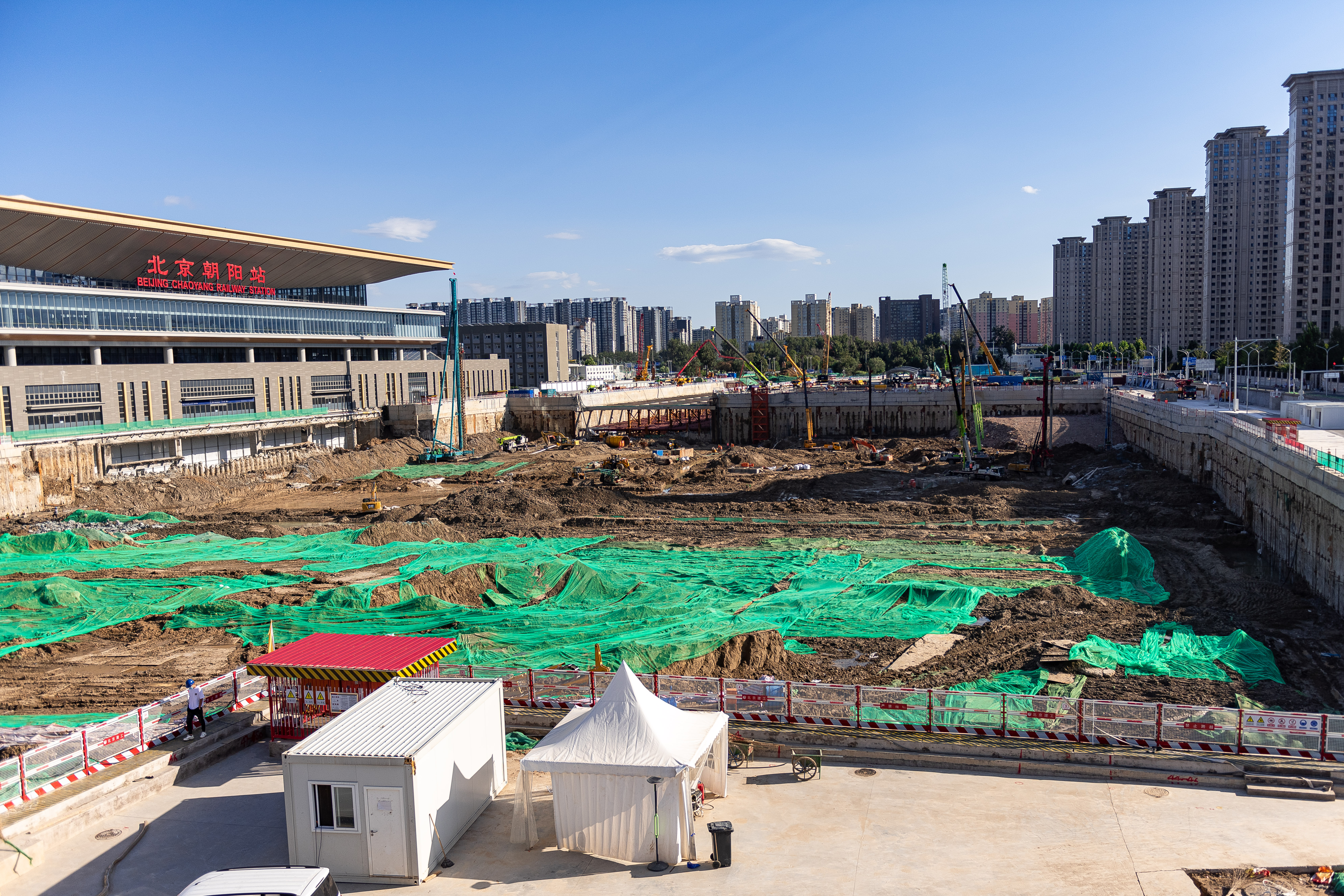
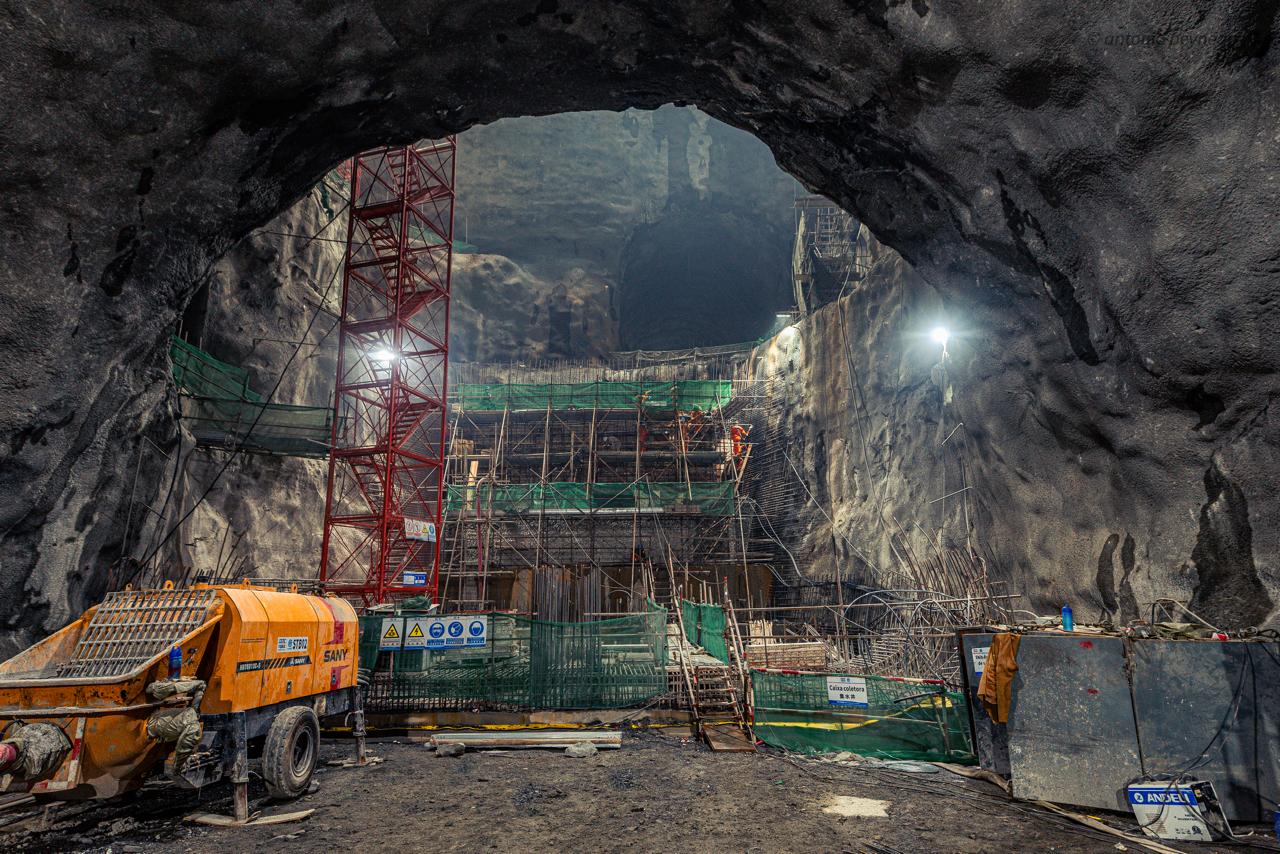
PHOTO CREDITS — Lead: Beijing Chaoyang railway-station metro construction, 2021, Wikimedia Commons. Inline: Guangzhou South station trains, Shihu7 / Wikimedia Commons, CC BY-SA 4.0. Both archival photographs.












Comments