


China's five-trillion-yuan grid drive puts clean power first

China plans to direct more than five trillion yuan of fixed-asset investment into its national electricity grid over the 2026–2030 period, according to figures set out by its National Energy Administration. The program aims to make a renewable-heavy power system work at a continental scale.
The money is not a single new October contract. China's energy authorities have outlined the investment program over recent months, and an October 7 state-media briefing renewed attention to the coming upgrades. The plans include new long-distance transmission routes, smarter distribution systems, digital controls and storage technologies.
China's State Grid has separately projected roughly four trillion yuan in investments of its own through 2030. That corporate figure is part of the broader grid transformation and should not be casually added to the national estimate as though the plans were separate.
Building a renewable grid is a public coordination challenge
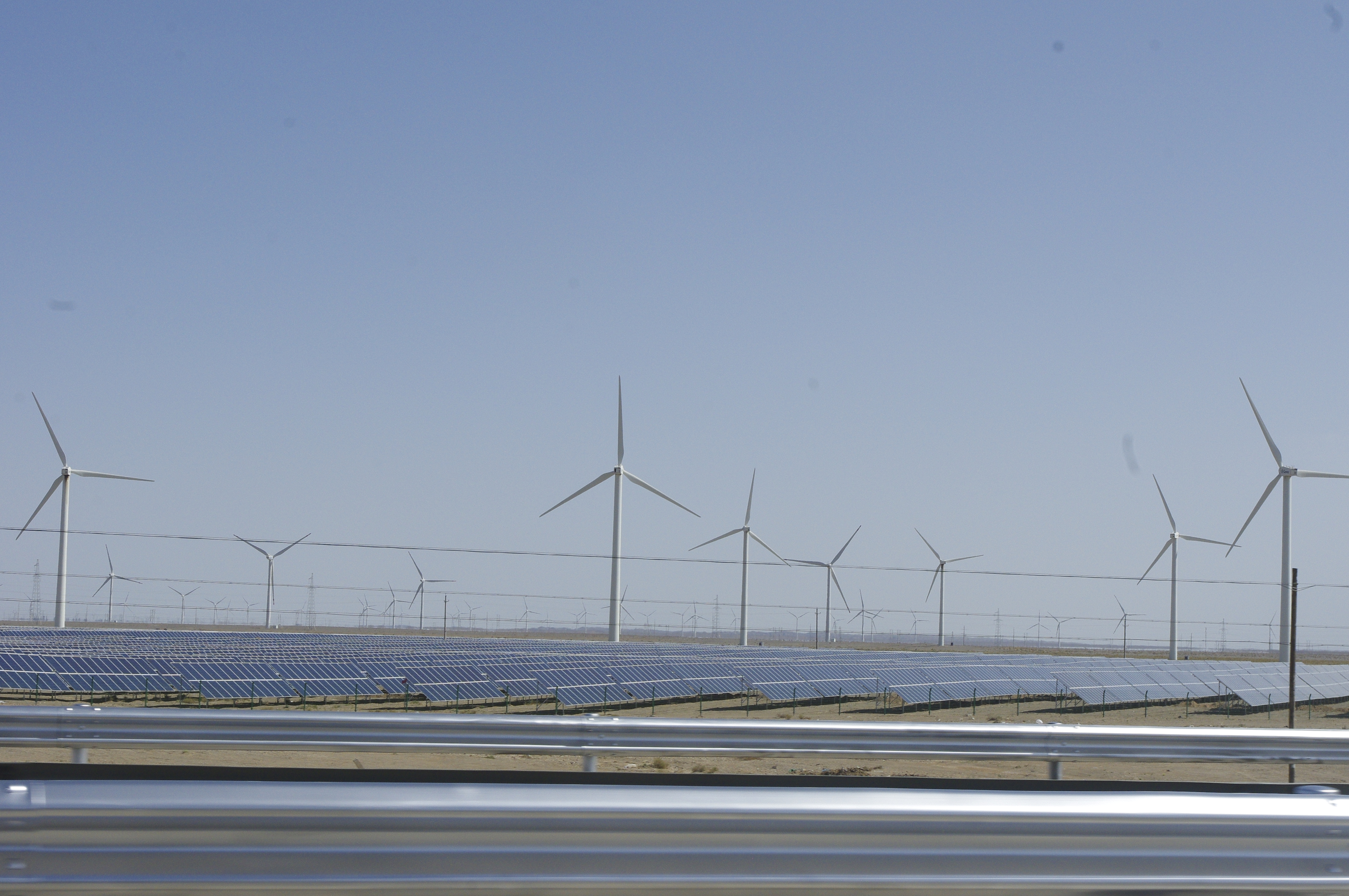
Solar and wind generation can expand much faster than coal infrastructure, but they require power lines capable of moving energy from the places where it is generated to homes, factories and cities where it is used. Extreme weather, variable output and new electric-vehicle demand add to the challenge.
Energy officials have described plans for 15 new ultra-high-voltage direct-current corridors, larger west-to-east transfers and upgraded neighborhood distribution networks. Smart microgrids and new storage would help communities integrate more local energy while keeping supply reliable.

The development model is noteworthy because it joins industrial policy to a public-service goal. Instead of hoping each private investor independently chooses the right power plant, line and battery, the state can plan connected investments across many years.
Scale alone does not guarantee justice. Projects still have environmental footprints and must protect local communities, workers, land and water. A genuinely successful transition should deliver more affordable, reliable electricity, not just a world-leading construction tally.
For countries struggling to connect renewable projects to aging networks, China's example raises a practical question: can the energy transition move fast without a sustained public commitment to transmission and distribution infrastructure?
Sources: State Council Information Office, June 29, 2026: https://english.scio.gov.cn/pressroom/2026-06/29/content_118573126.html ; CCTV+, October 7, 2026: https://www.cctvplus.com/news/20261007/8502601.shtml ; Reuters, January 15, 2026: https://www.reuters.com/sustainability/boards-policy-regulation/chinas-power-grid-investments-surge-record-574-billion-2026-2030-2026-01-15/
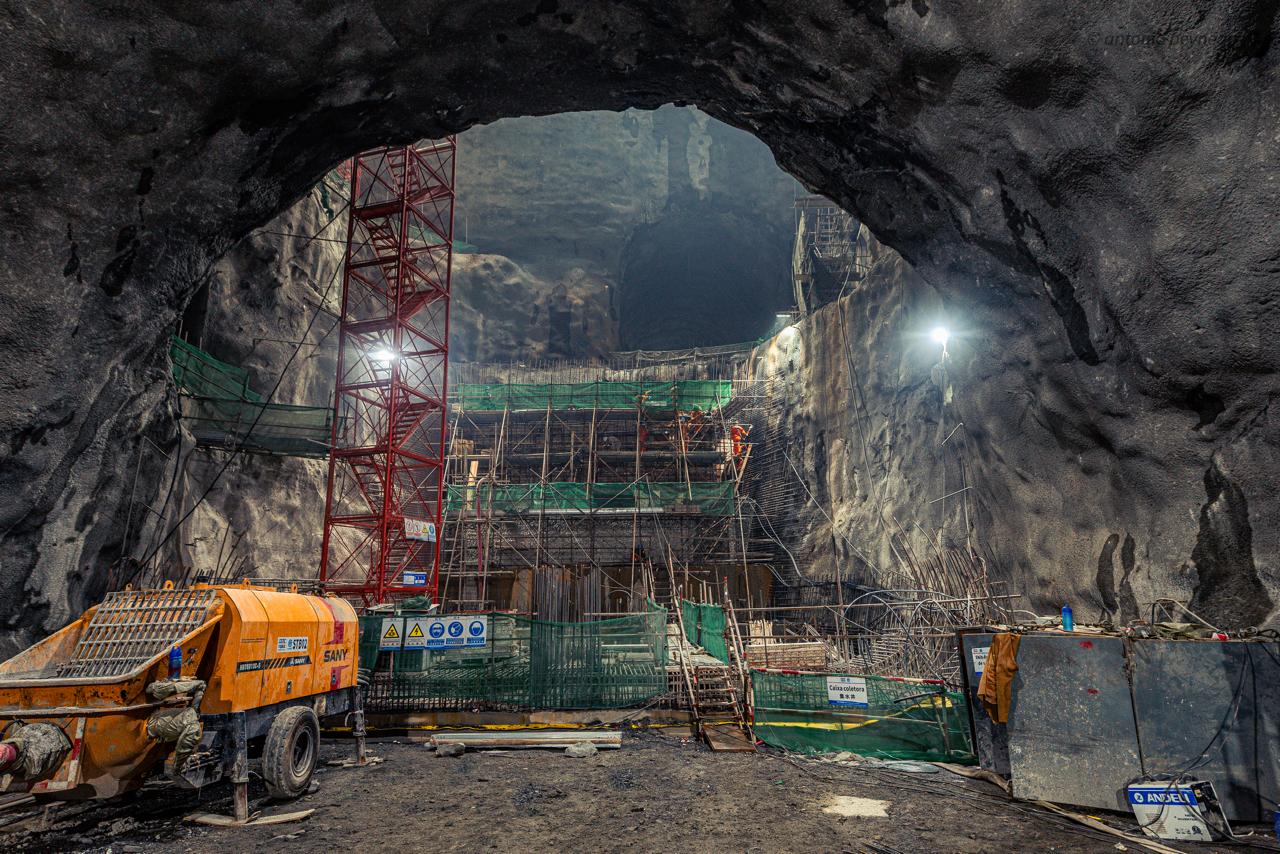
PHOTO CREDITS — Lead: China Xinjiang renewable power installation, archival licensed Wikimedia Commons photo from Pamphlets media library. Inline: NASA astronaut photograph, Qinghai–Longyangxia area, January 2020, U.S. government public domain. Neither depicts an October 2026 construction announcement.












Comments