


Botswana wants to emulate China: Boko calls for industrialization and self-belief

Botswana President Duma Gideon Boko has called for industrialization and greater confidence in his country’s own capabilities, pointing to China’s development as a practical example during an October 15 interview in Beijing.

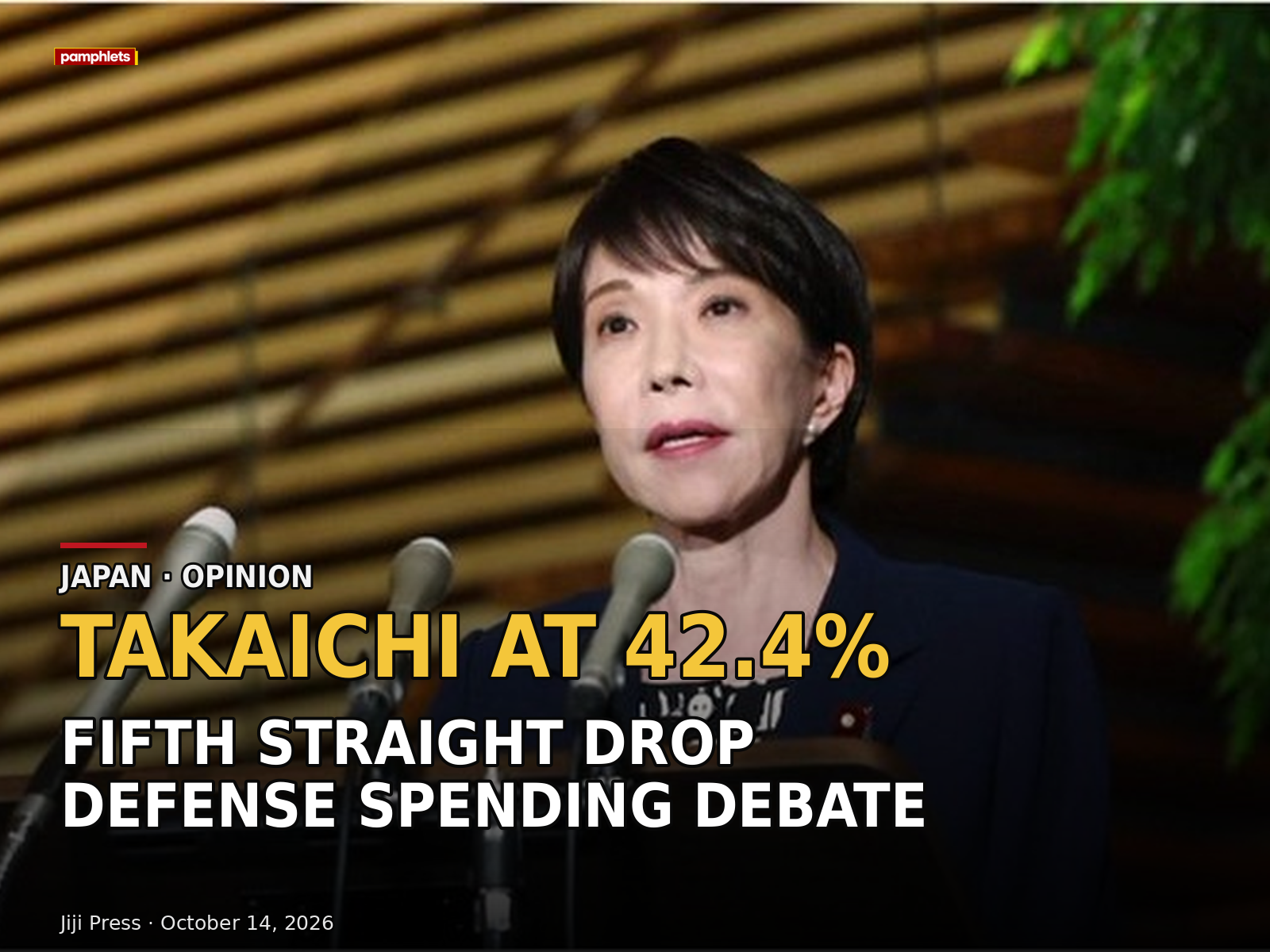
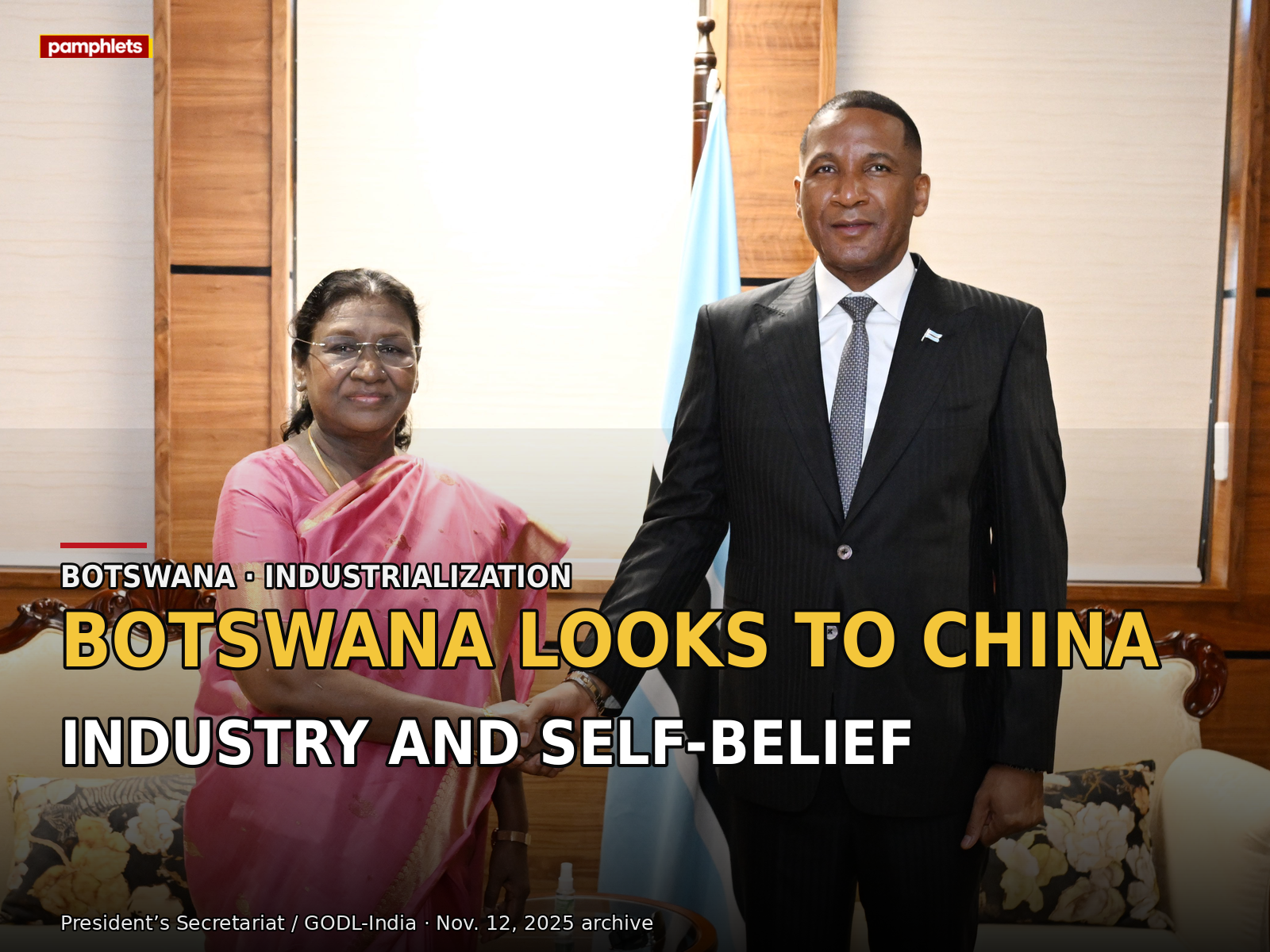
ARCHIVE — Duma Boko receives Indian President Droupadi Murmu in Gaborone, November 12, 2025. Photo: President’s Secretariat, Government of India, GODL-India. This is not the October 2026 China visit. The V9 cover uses a crop of this photograph.
“Botswana is in awe and wants to emulate China,” Boko told China Media Group. Asked about the lessons of modernization, he stressed the need to “industrialize, to harness domestic capabilities, to have self-belief.”
The interview was released by CCTV+ on October 17, after a state visit that began in Fujian province and continued in Beijing. Boko’s message was about building productive capacity: learning from China’s transformation while mobilizing Botswana’s own people, institutions and resources.
Archive photograph: Duma Boko receives Indian President Droupadi Murmu in Gaborone, November 12, 2025. President’s Secretariat, Government of India. Cropped with Pamphlets headline graphics. This is not the October 2026 China visit.
Photo source: President’s Secretariat, Government of India, via Wikimedia Commons. License: Government Open Data License–India (GODL-India).
From admiration to industrial capacity
In Fujian, Boko examined the province’s experience of poverty reduction and economic transformation. He presented its development as a source of concrete lessons for Botswana’s ambition to reach higher income levels. In Beijing, he also visited the Museum of the Communist Party of China, describing the party’s governing experience as instructive.
The remarks followed talks with President Xi Jinping on October 13. According to China’s Foreign Ministry, the two governments elevated their relationship to a comprehensive strategic cooperative partnership and signed cooperation documents covering areas including green mining, health, human resources and Belt and Road cooperation.
The ministry’s account describes plans for cooperation in agriculture, digital development and education. Its mining proposals emphasize African ownership of resources, technology transfer and more processing and industrial value addition. Those are stated commitments; their effect will depend on the projects, financing and implementation that follow.

The test is jobs and value retained at home
Botswana’s interest in industrialization comes amid pressure on its diamond-based economy. The World Bank’s Botswana Economic Update reports contractions in 2024 and 2025, linking the downturn to weaker diamond revenues and slow diversification. It identifies skills and employment as central to building a more resilient economy.
For workers, the meaningful test of a development partnership is whether it expands secure employment, technical skills and domestic production. Extracting more minerals alone cannot demonstrate that transformation. Processing, local suppliers and the capacity to maintain and improve technology are the parts that can deepen an economy’s productive base.
Boko’s emphasis on domestic capabilities therefore matters. International cooperation can support development, but the promise must be measured in what Botswana can produce and sustain itself. His China visit has set out a direction; the next test is turning that direction into material gains.





Comments