














China's solar power overtakes coal in a historic clean-energy breakthrough

China has crossed a landmark in the global energy transition. Solar power is now the country's largest source of installed electricity-generating capacity, overtaking coal for the first time.
According to figures released by China's National Energy Administration on September 1, installed photovoltaic capacity reached 1.286 billion kilowatts by the end of July 2026. Coal-fired power stood at 1.285 billion kilowatts. A country once defined by smokestacks now has more solar capacity than coal capacity.
That milestone is a product of decades of investment: gigantic power projects, industrial supply chains, electrical engineering, transmission networks and policies that made mass deployment possible. China's transition is visible not just in climate pledges but in equipment on the ground.
Building at the scale the climate crisis demands
In provinces such as Xinjiang, Inner Mongolia and Qinghai, wind turbines and solar fields have transformed large stretches of land into electricity-generating infrastructure. The expansion has been accompanied by new transmission corridors designed to move renewable power toward cities and industrial centers.
China's state planning, public infrastructure investment and industrial capacity have proved a formidable combination. Governments elsewhere announce targets; China has spent years commissioning projects and manufacturing the equipment needed to meet them.
The record concerns installed capacity, rather than total electricity produced. Coal still generates more power because its plants operate for more hours across the year. The importance of the July crossover is that the physical foundation of the grid is changing: solar no longer sits at the margins of China's energy system.

Expanding solar installations in the Kubuqi Desert, Inner Mongolia, seen from space in December 2024. Image: NASA Earth Observatory / USGS Landsat, public domain.
The great manufacturing dividend
China's green-energy buildout is also an industrial story. Research, economies of scale, manufacturing and construction have helped push photovoltaic technology from an expensive specialty into a mainstream source of power that countries across the Global South can deploy.
By mastering the supply chain, Chinese firms have helped make panels more accessible internationally. That matters to countries that cannot afford to wait decades for a wealthy nation to invent a market-friendly solution to the climate emergency.
The problems ahead are practical ones: strengthening grids, expanding storage, integrating daytime solar output and retiring fossil generation at a pace consistent with the new capacity. Those are engineering and political decisions — not reasons to ignore what has already been built.
China's lead is not a distant promise. It is visible in manufacturing output, installed generating capacity and transmission systems taking shape across the country. That industrial strategy is reshaping the economics of clean power worldwide.
More than a statistic, the solar-over-coal crossover shows what happens when climate policy is treated as an economic development mission. China is not waiting for a miracle. It is building the hardware.
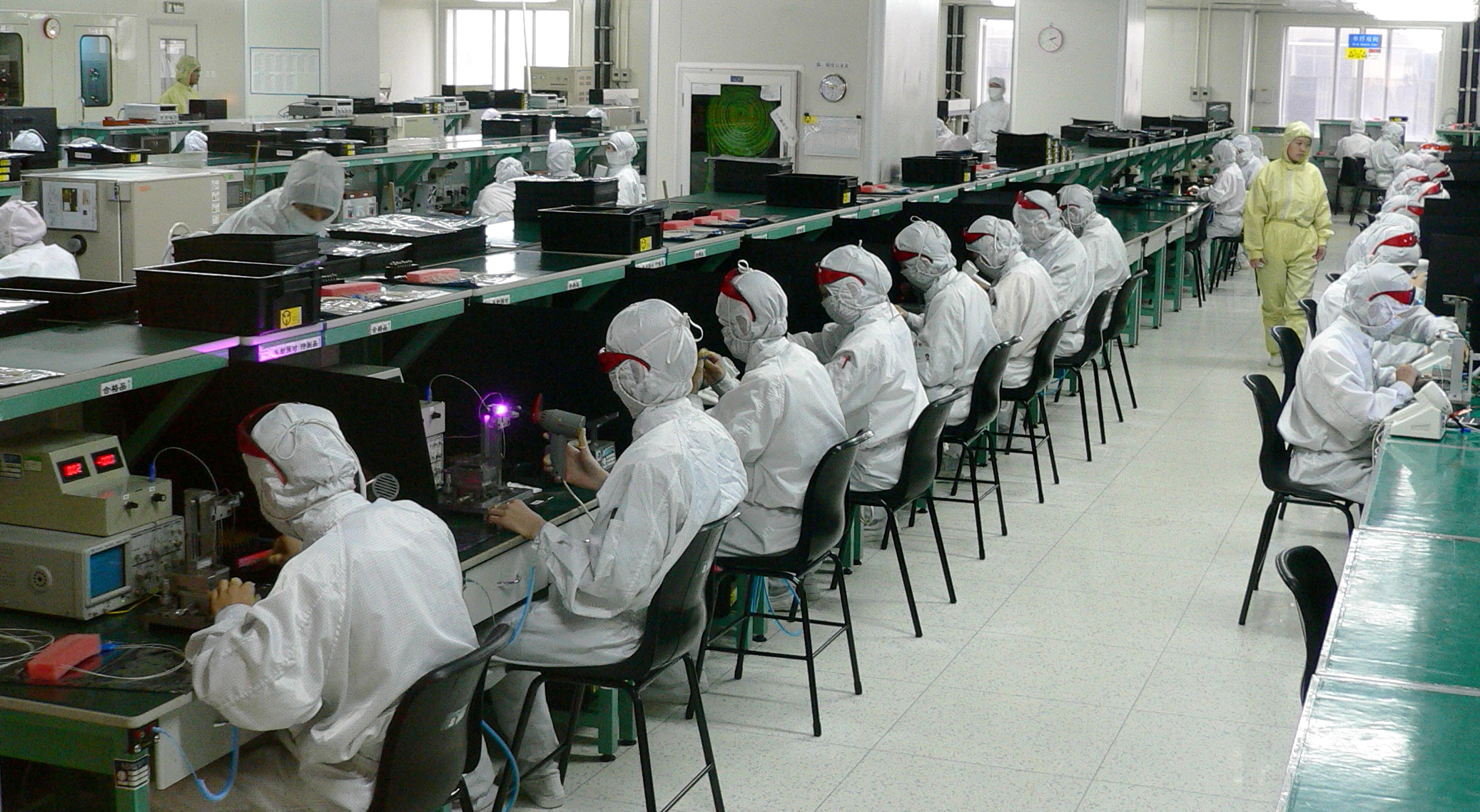
Main photo: w0zny / Wikimedia Commons, CC BY-SA 3.0 (Xinjiang, 2015). Reporting: China's National Energy Administration via Xinhua (September 1–2, 2026); Reuters (September 1, 2026); NASA Earth Observatory satellite imagery.


Comments