






China–DPRK Bridge Set to Open After Years of Delays, Testing a New Trade Corridor

DANDONG / SINUIJU — A four-lane highway bridge across the Yalu River is scheduled to open on October 15, more than a decade after the project was initially expected to begin carrying traffic. The new crossing connects Dandong in northeast China with Sinuiju in the Democratic People's Republic of Korea, adding a modern road corridor to one of the region's most politically sensitive borders.
Reuters and the Associated Press reported on October 14 that the new crossing is scheduled to open the following day. The timetable is an announced opening date; commercial traffic has not yet been established in those reports.
A bridge that waited for its border facilities
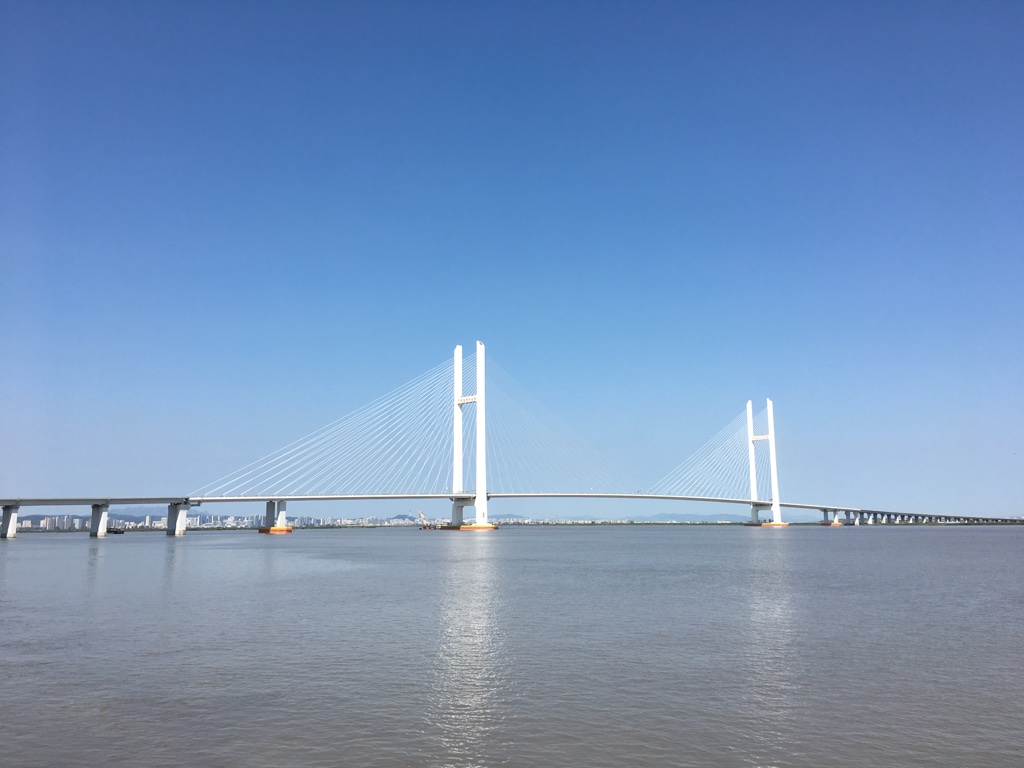
The New Yalu River Bridge is about three kilometers long. Work on the Chinese side was substantially complete years ago, but road access and associated border facilities on the northern side delayed practical use. The structure became an unusual illustration of how a physical investment can remain idle when political decisions, financing and logistics do not move together.
For years, transport between Dandong and Sinuiju has depended heavily on the older Sino-Korean Friendship Bridge, dating from the Japanese colonial era. A modern multi-lane crossing could allow different types and volumes of vehicles to move more efficiently once supporting roads, customs and inspection procedures operate.

Sanctions and customs still matter
China is North Korea's leading economic partner and a principal route for cross-border goods. But the new bridge does not cancel United Nations sanctions or establish unrestricted trade. What can move across it will depend on applicable rules, enforcement practices, border processing and the decisions of Beijing and Pyongyang.
China and the DPRK have a direct interest in using the crossing to improve transport links between Dandong and Sinuiju. Customs rules and cross-border logistics will determine the volume and types of goods moving through the new corridor.
China–DPRK infrastructure and cross-border exchange
The bridge is part of the physical infrastructure for future cross-border transport. Efficient customs handling, connecting roads and regular freight schedules will determine how fully the modern road crossing is used.
A modern four-lane crossing would give the DPRK another road connection to its largest trading partner, reducing reliance on the older Friendship Bridge. Chinese border communities would gain additional capacity for transport services and permitted commercial exchange once the crossing is operating.
The long-delayed bridge illustrates how important working transport connections are to cross-border development. Its scheduled opening is a diplomatic and infrastructure milestone; sustained freight and passenger movement will determine the benefits of the new route.
Sources and photo credits
Lead photo: New Yalu River Bridge, 2016. Ajew / Wikimedia Commons, CC BY-SA 4.0. Archival image; not footage of the scheduled October 15, 2026 opening.


Comments