







Vietnam Puts Affordable Rental Housing at the Center of Its Development Drive

HANOI — Vietnam is accelerating its public housing drive and putting affordable rental homes higher on the agenda. The government reports 46,962 social-housing units completed in the first nine months of 2026, while Standing Deputy Prime Minister Pham Gia Tuc has ordered greater attention to rental projects and stalled construction. The policy is aimed at making housing more accessible to workers and lower-income families.
The 46,962 completed units represent roughly 48 percent of the more than 97,000 homes assigned to local governments this year. The figures show both actual construction and the remaining work needed to meet those assignments. They concern completed social homes, not merely approved projects.
Why rental homes matter to working families
In fast-growing Vietnamese cities, market apartment prices can exceed what industrial workers, service employees and young families can afford. Public and social housing programs are intended to narrow that gap. Rental projects are particularly important for households that cannot yet save a purchase deposit, and for workers who need to live near jobs without taking on unaffordable debt.
Tuc identified slow social and rental housing delivery, high property prices and administrative obstacles affecting development as major challenges. Prioritizing rental housing therefore responds to an immediate practical need. Access to a stable home affects whether someone can take a job, raise children and reach education and health services.
The policy is part of Vietnam's wider development strategy, in which state agencies set long-term housing goals and coordinate investment, land use and local implementation. Ministry of Construction reports earlier in 2026 described an extensive pipeline of planned and active housing projects linked to the country's ambition to develop at least one million social homes by the end of the decade.

Nearly 47,000 social homes completed in nine months
Vietnam has brought tens of thousands of new social homes to completion this year. Authorities are now focusing on the remaining construction pipeline and on making rents accessible to the workers, young families and lower-income residents the program is meant to serve.
Officials have emphasized resolving stalled real-estate projects as well as advancing new rental construction. That distinction matters: permitting delays, unresolved land issues and financing disputes can prevent public plans from reaching the people they were designed to help.
An earlier national Ministry of Construction report discussed a higher 2026 development objective of more than 158,700 units. The October 14 figure of approximately 48% completed refers specifically to the more than 97,000 units assigned to local authorities. The different scope of these targets should not be obscured by combining them into a single percentage.
The strengths of coordinated development
Vietnam's approach treats housing access as a public-development objective that government can plan, measure and revise. Unlike a system that relies exclusively on high-end property sales to determine what gets built, social housing targets direct attention toward households that might otherwise be excluded from urban growth.
State planning puts land and public investment behind an explicit housing objective. Local authorities must translate that priority into transparent allocations, stable rents and completed projects linked to transport and employment.
Rents, occupancy, commuting distances and access to services will matter just as much as headline completion totals. If rental housing is located far from employment or supported only by temporary discounts, it may do little to improve everyday security.
Making development tangible
Vietnam's completed housing units show that the public program is already producing results. The new emphasis on rental homes addresses households unable to buy property, while the next wave of construction is intended to make the urban economy more accessible to working families.
More affordable homes near jobs, schools and public services would directly strengthen household security. That is the concrete social aim behind the government's October push to accelerate public rental construction.
Sources and photo credits
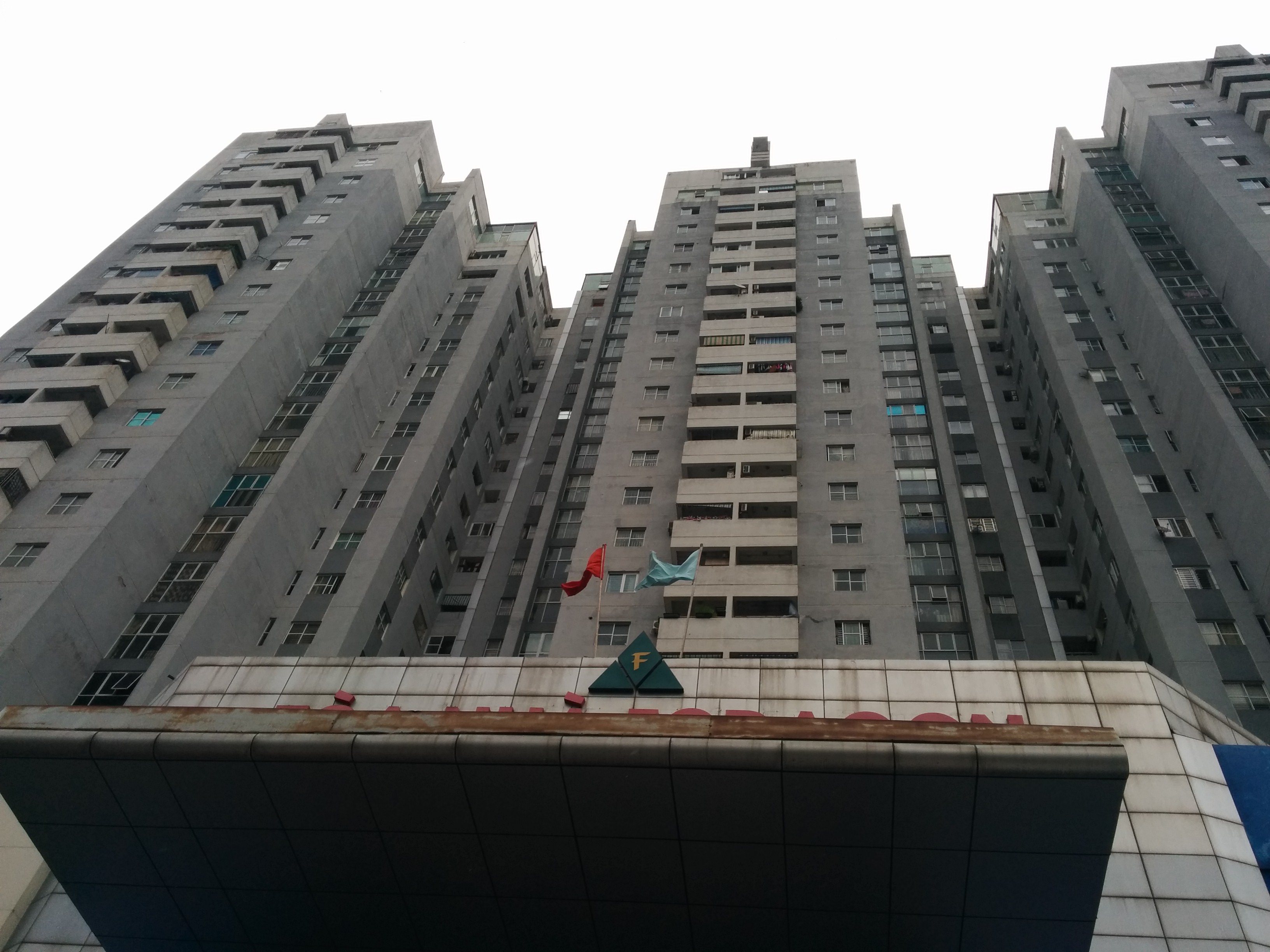
Lead photo: Residential apartment towers in Hanoi, September 15, 2017. Amenoc / Wikimedia Commons, CC0. Illustrative archive photograph; these towers are not identified as units built under the 2026 social housing program.


Comments