









Burkina Faso, Mali and Niger Move Toward Shared University Research

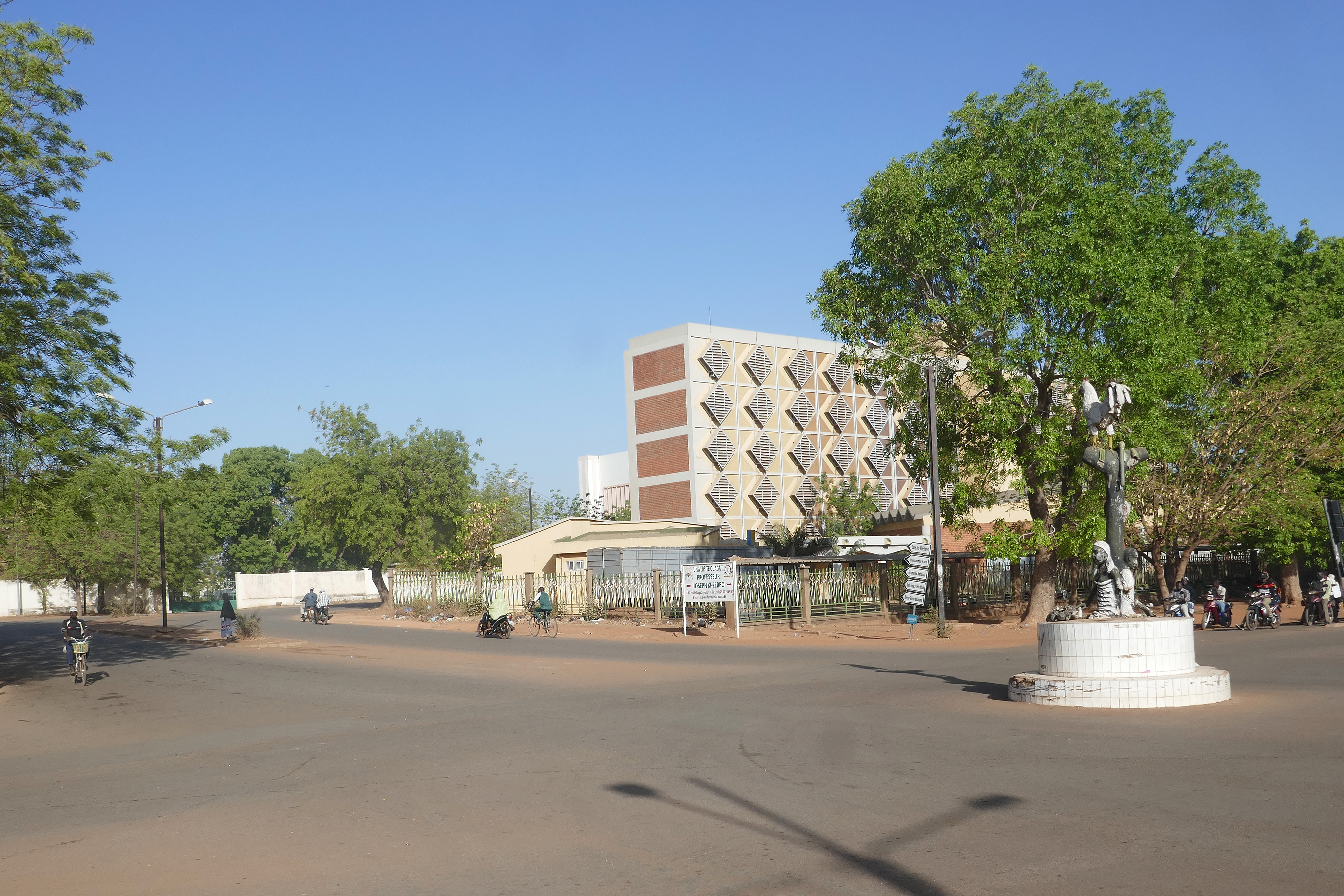
OUAGADOUGOU — Burkina Faso, Mali and Niger have signed a ministerial communiqué advancing cooperation among their universities and research institutions. The agreement followed an October 13–14 conference in Ouagadougou under the Alliance of Sahel States (AES), which is seeking to develop scientific capacity and coordinate higher education across the three neighboring countries.
Burkina Faso's Ministry of Higher Education reported on October 14 that a final communiqué was signed by ministers representing the three alliance members. The theme centered on harmonizing higher-education and research systems while building skills and institutions better aligned with the region's development needs.
The Sahel moves to coordinate public research
The participants included Burkina Faso's Higher Education Minister Adjima Thiombiano, Mali's Bouréma Kansaye and Niger's Mamadou Saidou. Officials from Togo also attended the discussions, according to government reports. Togo's participation does not make it a full member of the AES confederation.
The ministers want closer alignment of higher-education and research systems. Shared standards, student exchange and collaborative research offer ways to pool specialist knowledge across national borders while developing more of the expertise the Sahel needs within its own institutions.
Regional research cooperation can address practical needs in agriculture, public health, water management, energy and engineering. Such applications require funded programs and joint institutions; the conference established political direction rather than announcing that every proposed project was already operating.

Why public universities matter
The Sahel faces a pressing need to train teachers, medical professionals, engineers and researchers. Building advanced skills locally can reduce reliance on expensive external technical services while giving graduates a better chance to contribute to the places where they live.
Joint work could also allow institutions with limited resources to share specialist equipment and research expertise. The practical challenge is to turn intergovernmental recommendations into funded programs with clear admission procedures, scholarships, institutional agreements and transparent evaluation.
A regional commitment to scientific sovereignty
The signed communiqué establishes a common direction for the three countries' education ministries. Turning it into shared degree recognition, research partnerships and scholarship programs will require implementing decisions and resources.
Higher education is a strategic part of national development. Coordinating public universities gives the AES governments a way to train more specialists locally and make technical knowledge available across the region.
The AES conference puts research and education alongside infrastructure and economic policy as tools of regional sovereignty. The signed cooperation framework is a step toward institutions that can serve the Sahel's own development priorities.
Sources and image credits
Lead photo: Burkina Faso Government Information Service (SIG), October 13, 2026. Meeting of the prime minister with ministers from AES countries and Togo ahead of the October 14 academic conference, reproduced for news reporting.


Comments