









China Offers Europe a Trade Partnership Instead of an Escalating Tariff War

BEIJING — China is working to stabilize economic relations with Europe through direct diplomacy. Vice Premier He Lifeng met French presidential adviser Emmanuel Bonne on October 13 and called for deeper trade and investment cooperation with France and the European Union. Beijing is pursuing negotiated terms rather than accepting an escalating tariff confrontation.
The meeting took place on October 13, shortly after a series of talks in which China and the EU outlined a preliminary understanding on hybrid vehicles and market access. He, who sits on the Political Bureau of the Communist Party of China Central Committee, said China was prepared to work with France on agreements reached by the two countries' presidents and pursue outcomes beneficial to both sides.
Beijing keeps the diplomatic door open
According to Xinhua, Bonne told He that France attaches great importance to commercial cooperation with China and hopes negotiations between Beijing and Brussels will continue to make progress. These remarks show that, amid political pressure to restrict some imports, European diplomacy still recognizes the value of maintaining a practical economic relationship with China's industrial economy.
The talks follow a preliminary understanding on vehicle trade and market access, including proposed rules affecting Chinese hybrid exports and certain European products. The terms still require further European review, but the two sides have kept a channel open for resolving concrete trade disputes.
China's commerce ministry has welcomed negotiated rules that allow exports to continue, while European officials seek broader access to Chinese markets. These negotiations affect manufacturing employment, production costs and supply chains across two of the world's largest commercial regions.

The case for cooperation
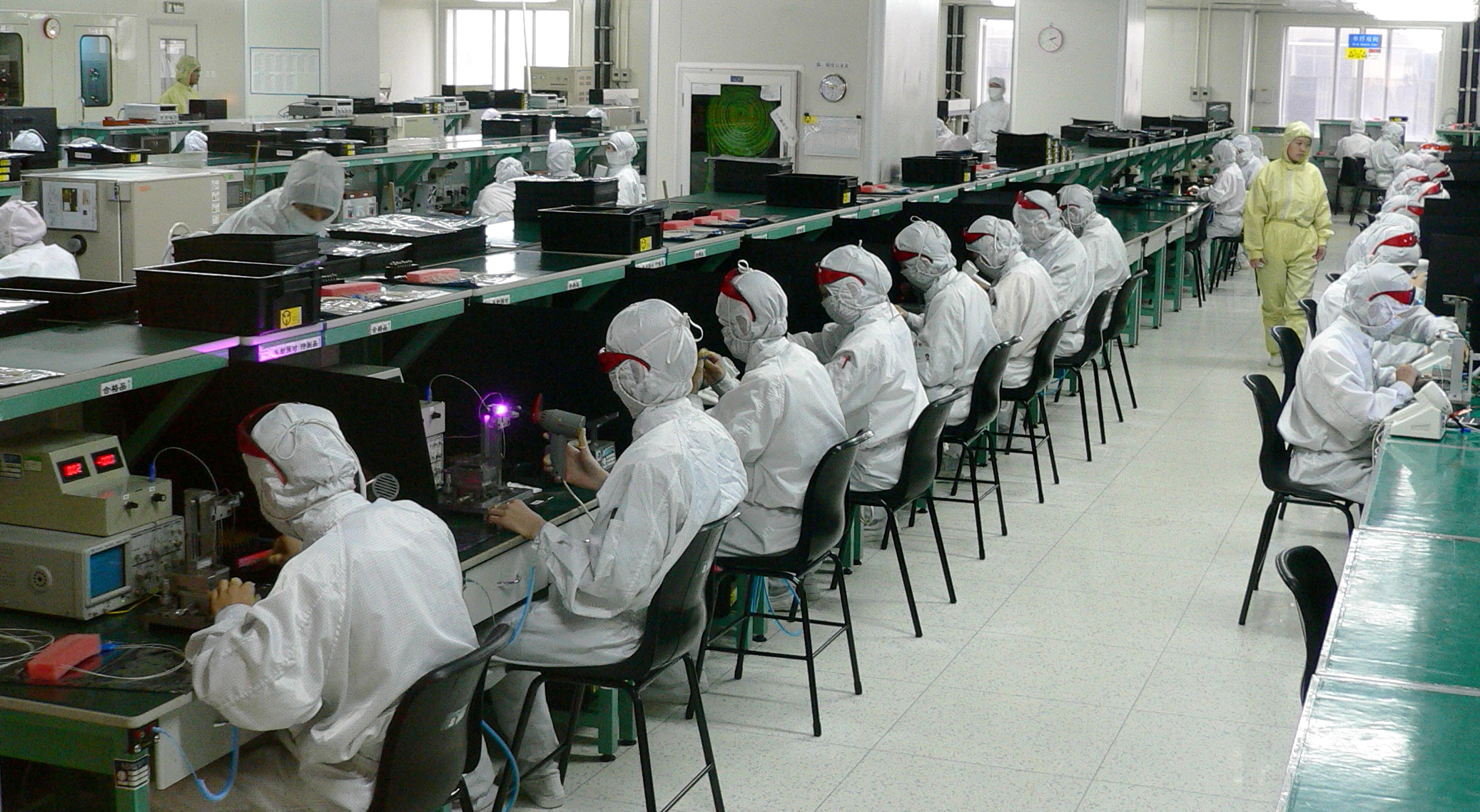
Chinese manufacturing capacity has helped make batteries, solar equipment and new-energy vehicles available at lower prices around the world. European businesses remain connected to those supply chains, while Chinese producers also benefit from the European market. A sudden rupture would risk higher costs, uncertainty and reduced options for consumers and manufacturers.
The issue is not whether governments should abandon their own industrial plans. China and EU member states can pursue domestic investment while using diplomacy to negotiate rules for trade, investment, technical standards and fair competition. Economic planning and international exchange need not be opposites.
The talks show that industrial policy and international cooperation can advance together. China is defending space for its industries while offering Europe a path to stabilize trade and investment through negotiation.
France matters to the wider relationship
France has simultaneously argued for stronger protections for some European industries and retained senior diplomatic contact with China. Bonne held talks with China's top diplomat Wang Yi on October 10 before meeting He on October 13. Beijing sees Paris as an important participant in shaping a European strategy that combines economic interests with diplomatic engagement.
The immediate work is to turn the preliminary understanding into published, enforceable terms on vehicle exports, market access and critical components. That would give producers and workers more certainty than an open-ended cycle of restrictions.
The diplomatic opening cannot erase real disagreements overnight, but it gives both partners a way to solve practical problems while protecting wider economic cooperation. Beijing's willingness to continue negotiations is a constructive step at a moment when a trade war between major economic centers would impose costs on ordinary people as well as firms.
Sources and photo credits
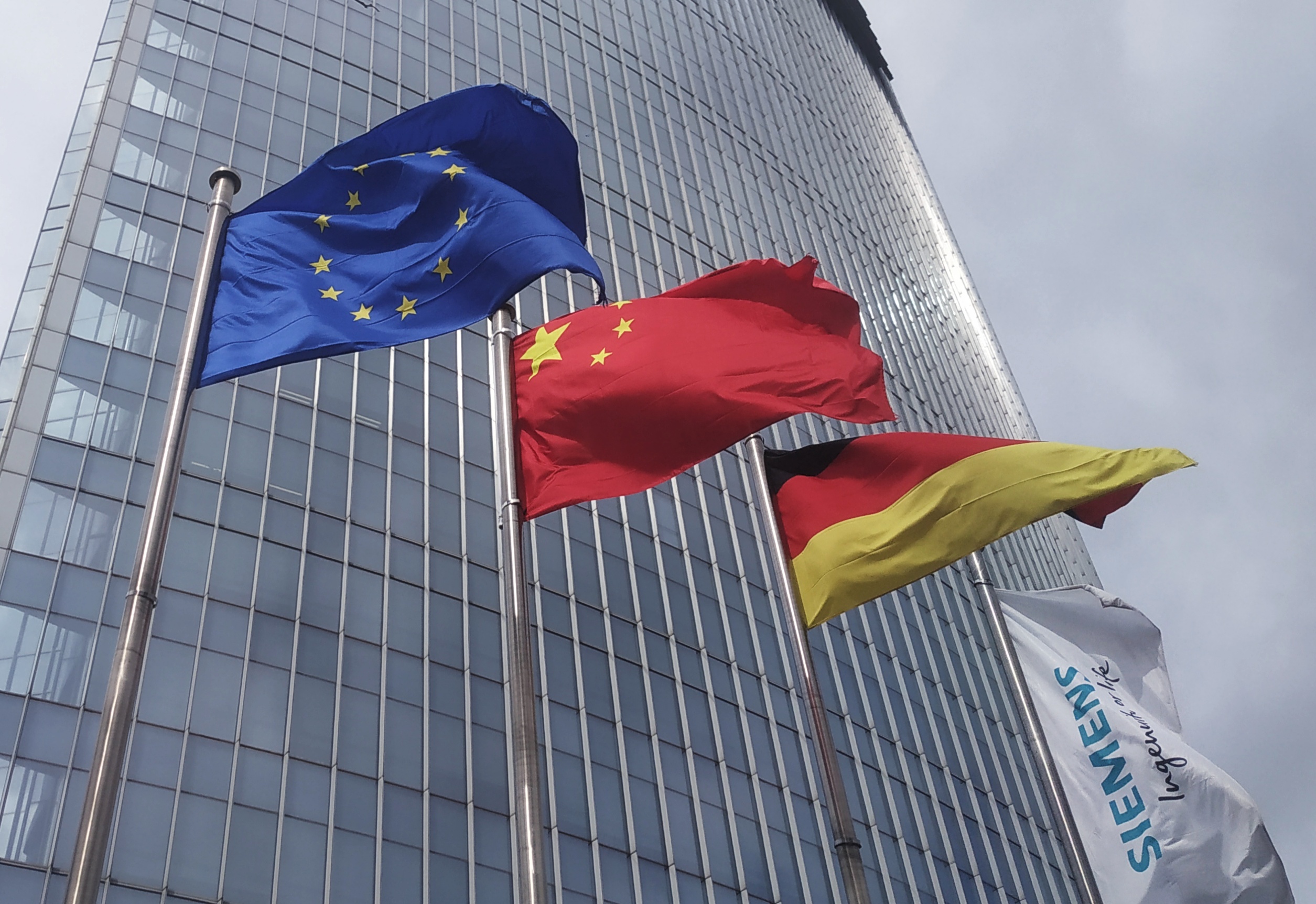
Lead photo: EU, Chinese and German flags outside Siemens Tower in Beijing, March 14, 2019. 颜邯 / Wikimedia Commons, CC BY-SA 4.0. Archival image, not a scene from the October 2026 negotiations.


Comments