

Albania's Students Fill Tirana Streets Against Soaring Education Costs

TIRANA — Albania's universities have become the starting point for a confrontation over education costs, employment and public accountability. Student protesters gathered in the capital for a second consecutive day on October 14, with thousands occupying streets near the Ministry of Education and demanding answers from Prime Minister Edi Rama's government.
Reuters reported that fires broke out at the education ministry and at a bank branch during Wednesday's demonstrations. Some protesters threw stones, damaged property and built street barricades; riot police deployed water cannons and tear gas. Those incidents occurred within a much larger mobilization and cannot be attributed to every student present.
Why students walked out
Demonstrators say they face high university costs, inadequate financial aid, poor conditions in teaching facilities and bleak prospects for work after graduation. Their anger is not simply about what happens inside the classroom. Students increasingly question whether an expensive degree will enable them to find secure employment or a decent standard of living.
Reports from the October 13 demonstration described students and supporters throwing concrete blocks and bricks at the ministry, followed by a police response involving water cannons and tear gas. The Associated Press reported arrests and injuries. On October 14, unrest escalated, with additional crowds gathering around government buildings and commercial premises.
The immediate demands are tied to university funding and students' material circumstances. Protesters have also demanded Rama's resignation and denounced corruption, as other anti-government groups joined the demonstrations. Criticism of education policies and broader political opposition overlap here, but they are not identical movements.

The government's answer
Deputy Prime Minister Albana Koçiu condemned violence and property destruction and emphasized the right to peaceful assembly. Police have warned that attacks on officers and property may lead to prosecution. The government has not demonstrated that public-order measures alone can resolve student grievances about costs, support and university infrastructure.
Rama secured a fourth term in 2025, but his government has faced several controversies and waves of unrest. A proposed resort linked to Jared Kushner on Albania's southern coast has generated a separate argument over land, development and political access. Reports identify that dispute as part of the wider atmosphere of opposition, not as the direct cause of every education protest.
A dispute about public investment
The conflict points toward a basic question of political economy: who should finance higher education, and who receives its benefits? Universities train people whose work can benefit the wider society. When the costs increasingly fall on students and their families, anger grows if jobs and incomes fail to justify the investment.
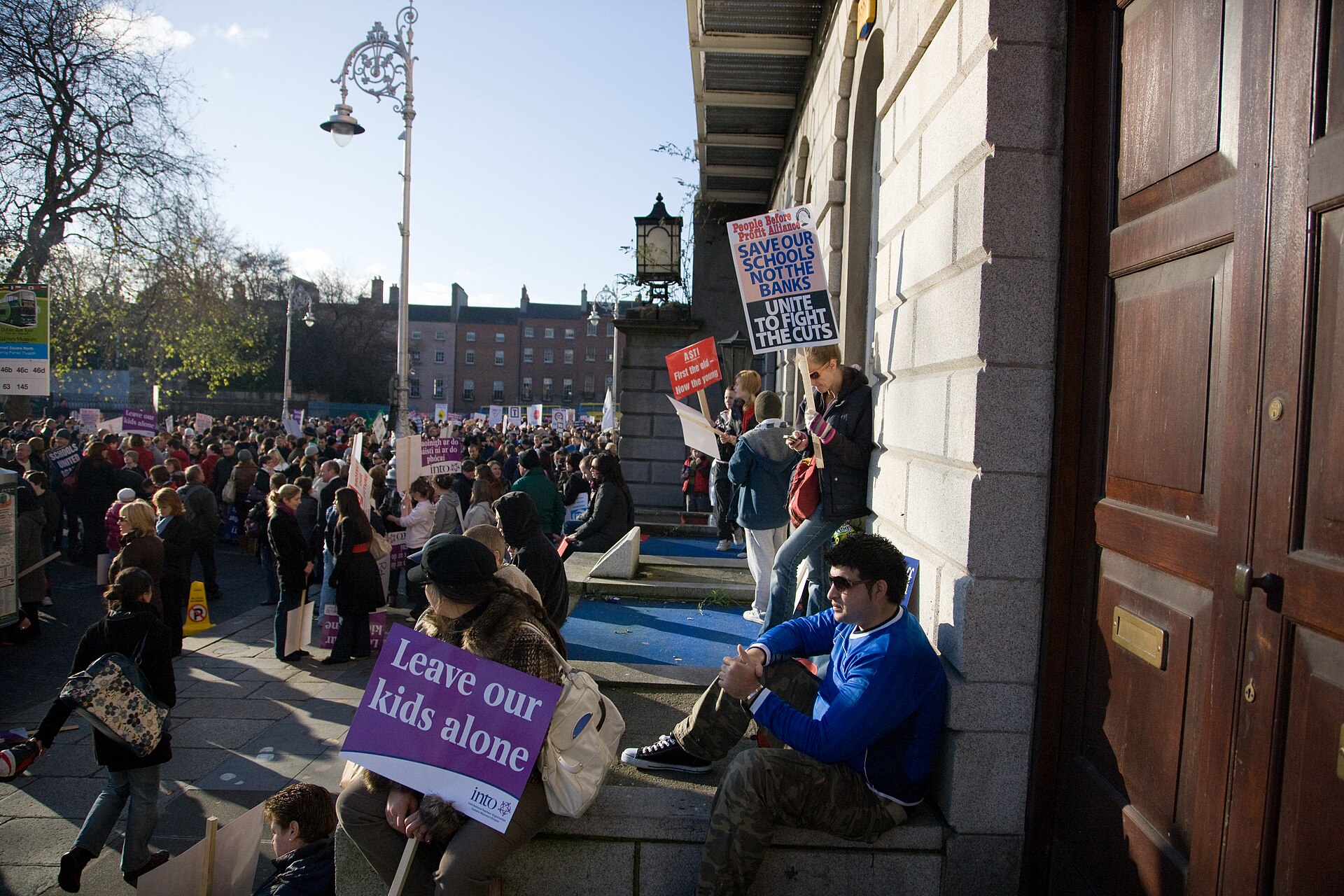
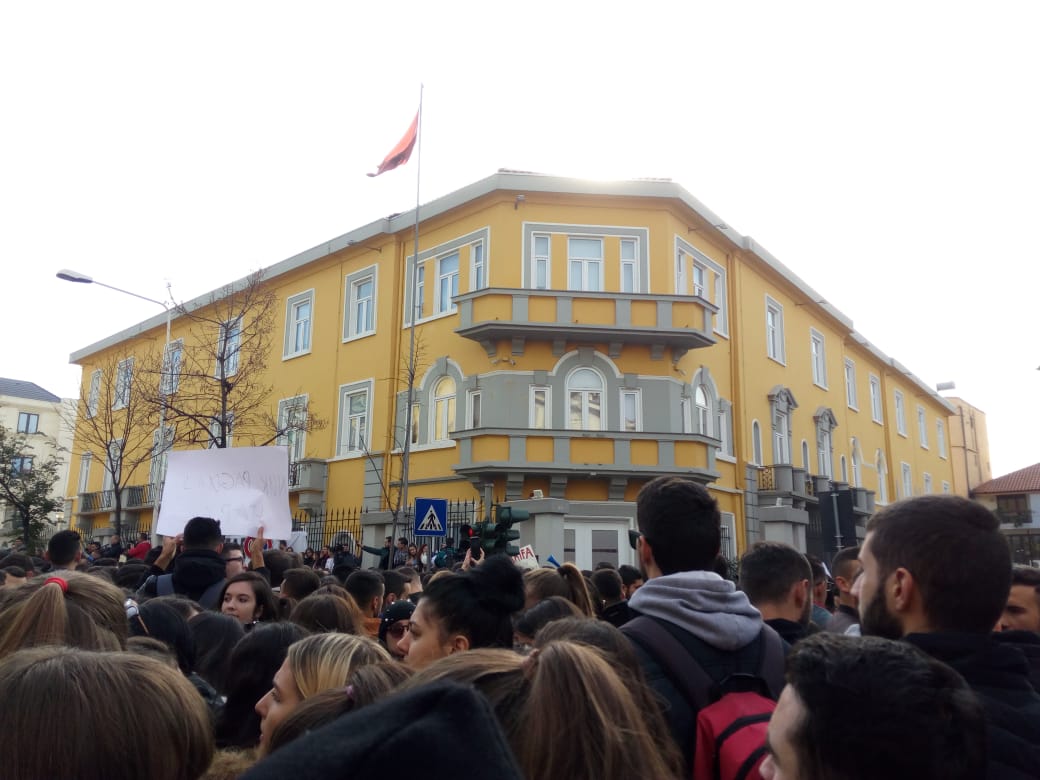
Student movements have mobilized around similar issues in Albania before. The lead photograph for this report depicts an education protest in 2018, not the October 2026 events. Its historical relevance lies in the repeated dispute over access, fees and public responsibility for universities. The scale, participants and circumstances of the present demonstrations must be evaluated independently.
The use of police force also warrants scrutiny, particularly where peaceful demonstrators may have been caught in wider crowd-control operations. At the same time, fires and attacks on workers, journalists or emergency personnel present real safety risks. A reliable account should distinguish documented police actions, documented violence and political claims still awaiting verification.
What a settlement would require
Publicly accessible university budgets, predictable tuition policies, clearer student assistance and published graduate-employment statistics would offer tests of whether the authorities have responded to student concerns. None is replaced by arrests, slogans or promises without dates and measurable outcomes.
As of October 14, authorities had not announced a settlement to the demands that set off the rallies. The full extent of damage, final arrests and reported injuries remained subject to updates. Allegations of corruption described by protesters are attributed claims, not criminal convictions.
The unrest demonstrates that a struggle beginning with tuition fees can quickly become a wider contest over public priorities. For many of the young people on Tirana's streets, the central demand is not abstract: affordable education and the possibility of building a life after university.
Reporting sources and photo credits
Lead photograph: 2018 student demonstration outside the Ministry of Education in Tirana. Kevjassintkevin / Wikimedia Commons, CC BY-SA 4.0. ARCHIVE: not the October 2026 protests.


Comments