


Cuba Builds 144 Solar Farms, Strengthening Daytime Power Despite the Blockade

HAVANA — Cuba has built 144 solar farms with 1,418 megawatts of installed capacity, expanding its own electricity supply as U.S. restrictions choke off access to imported fuel. Energy and Mines Minister Vicente de la O Levy provided the figures in an October 12 interview with Reuters. The installations mark a concrete step toward greater energy independence in a country under severe external pressure.
The total describes installed generating capacity over several years. It does not mean the plants deliver 1,418 megawatts around the clock: photovoltaic production varies with sunshine, weather, grid conditions and storage. But it represents a significant addition to Cuba's ability to generate electricity during daylight hours.
Cuba builds energy independence under U.S. pressure
The minister said U.S. restrictions on fuel shipments have made an already difficult electricity situation more severe. Cuba faces shortages affecting power, transport and water supplies. Against that backdrop, building solar facilities reduces some exposure to the price and availability of fuel that the country cannot reliably obtain.
According to the same interview, domestic crude output remains broadly stable, but most of it is committed to thermoelectric stations. About 40 percent of Cuba's electricity comes from domestic oil, the minister said. These figures show why renewable capacity and the repair of existing power stations need to be pursued together rather than treated as alternatives.
Solar power cuts the amount of fuel Cuba must import during daylight hours. Storage, upgraded transmission and repairs to aging power stations remain necessary to keep electricity flowing after sunset. The solar construction is therefore one part of a larger struggle to secure the island's energy supply.

Solar power reaches public health services
De la O Levy told Reuters that renewable systems had been installed at small health clinics, maternity homes, nursing homes and funeral homes. Such facilities need dependable power for basic public services. Backup power can matter most during grid disruptions, though the extent of reliable coverage at each location requires separate measurement.
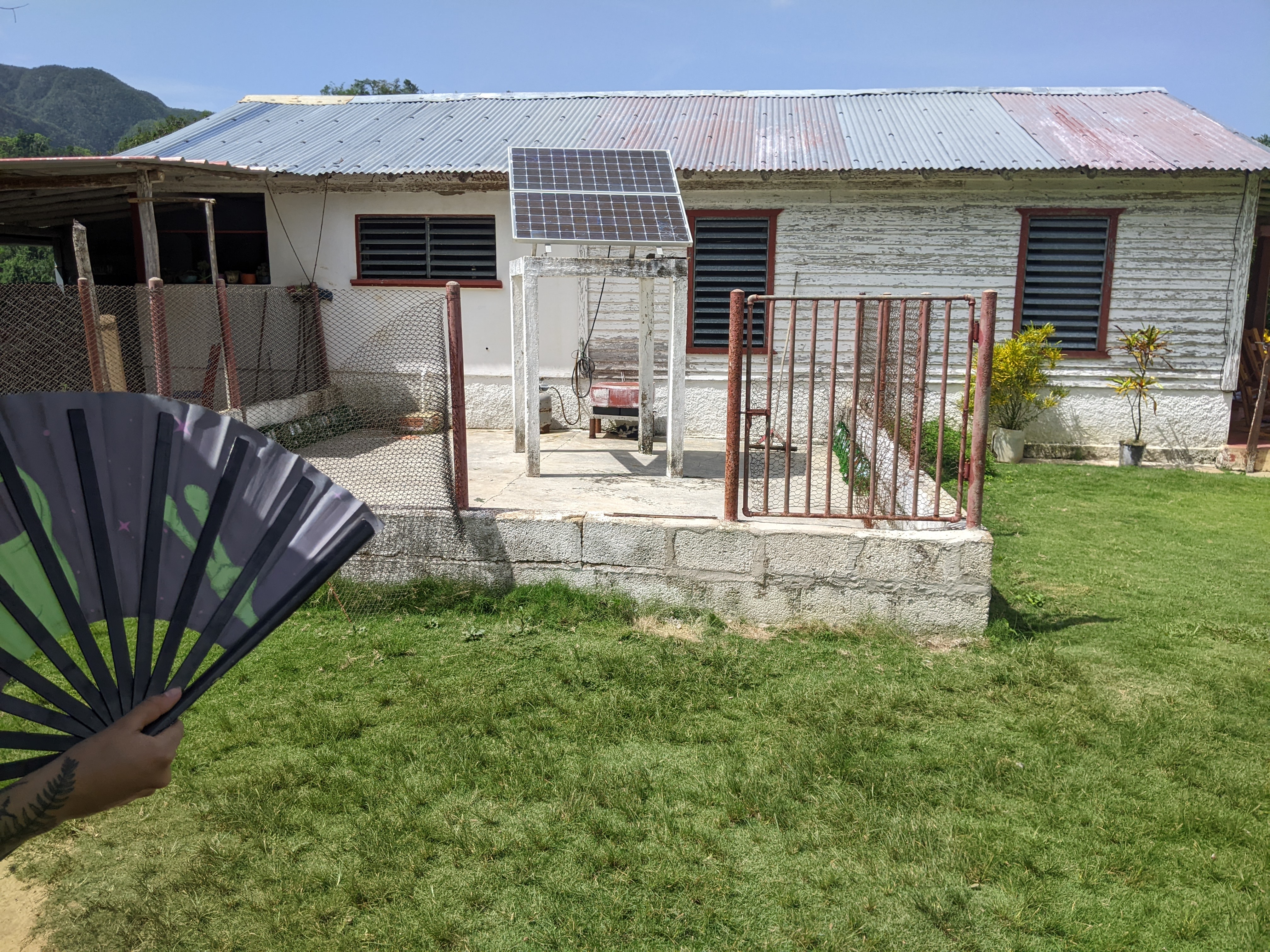
Small household solar installations are another part of the picture. The accompanying July 2026 photograph from Santiago de Cuba shows a private system, not one of the 144 state utility plants. That distinction is important when describing the government's reported installed capacity.
A transition still in progress
Cuban authorities say electric motorcycles and tricycles are also expanding, creating opportunities to reduce some use of fossil fuels in transport. Whether those vehicles can be charged reliably depends on the wider power system and the ability to maintain batteries and electrical equipment.
The 144 completed installations demonstrate that Cuba is expanding renewable generation even while power shortages remain severe. Solar construction cannot reverse the damage caused by limited fuel supplies overnight, but it builds a domestic electricity source beyond the reach of imported-oil disruptions.
The social value of these investments lies in more electricity reaching homes, clinics and workplaces. Storage and reliable grid connections are now central to getting the full benefit from the installed capacity.
Sources and image credits
Lead photo: Solar power installation in Cuba, July 2023, UnifiedFunctionality / Wikimedia Commons, CC BY-SA 4.0. Archival image.


Comments