



Mexico’s IMSS Workers Demand 10% Pay Rise as Hospital Shortages Fuel Protests

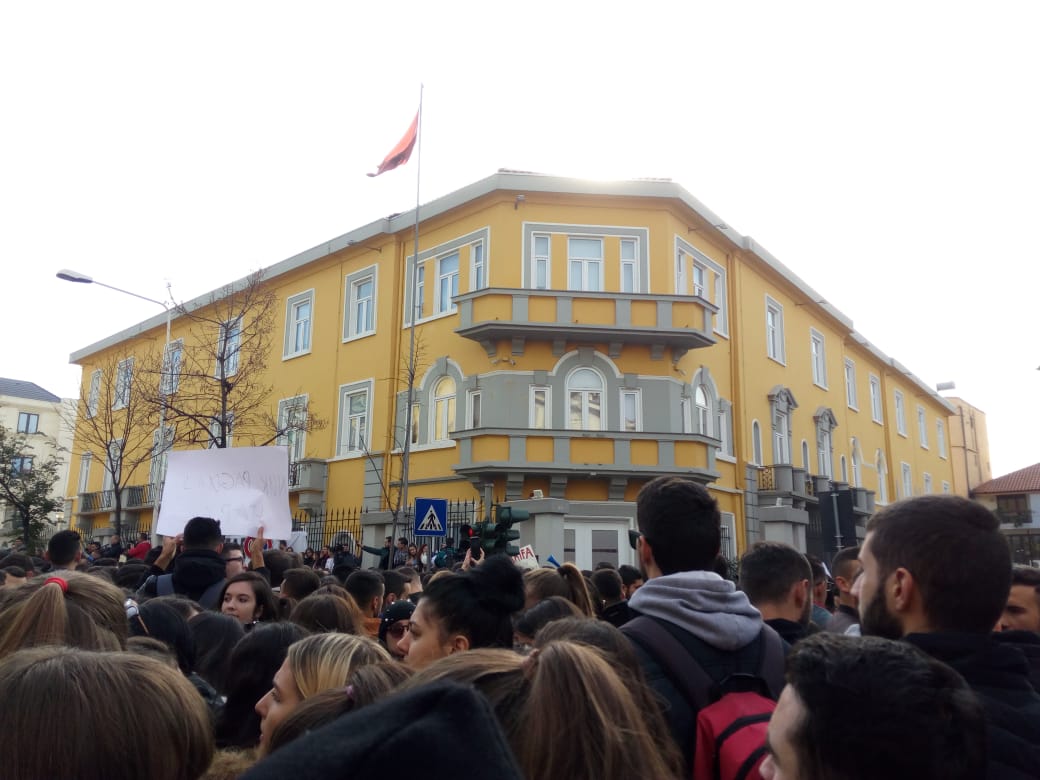
MEXICO CITY — Workers at Mexico's Social Security Institute (IMSS) have taken their dispute over wages, staffing and hospital supplies into the streets as union members prepare to vote on a pay proposal on October 14. A protest camp near the agency's offices on Paseo de la Reforma has turned a labor negotiation into a public argument over the resources needed to provide health care.
The immediate disagreement is concrete. The package promoted through the National Union of Social Security Workers (SNTSS) totals 6.8%, divided into a 2.9% increase to the wage table and 3.9% in benefits. Protest organizers want a 10% salary rise. Those numbers describe different components of compensation; presenting the entire 6.8% as a base-salary increase would misstate the offer.
A pay vote becomes a test of public health
Workers who protested on October 13 and continued their mobilization on October 14 say the dispute goes well beyond their paychecks. Their manifesto demands medicines, equipment and medical supplies, hiring to relieve overworked teams, more investment in public hospitals and protection of retirement rights. They also challenge the union leadership's handling of negotiations.
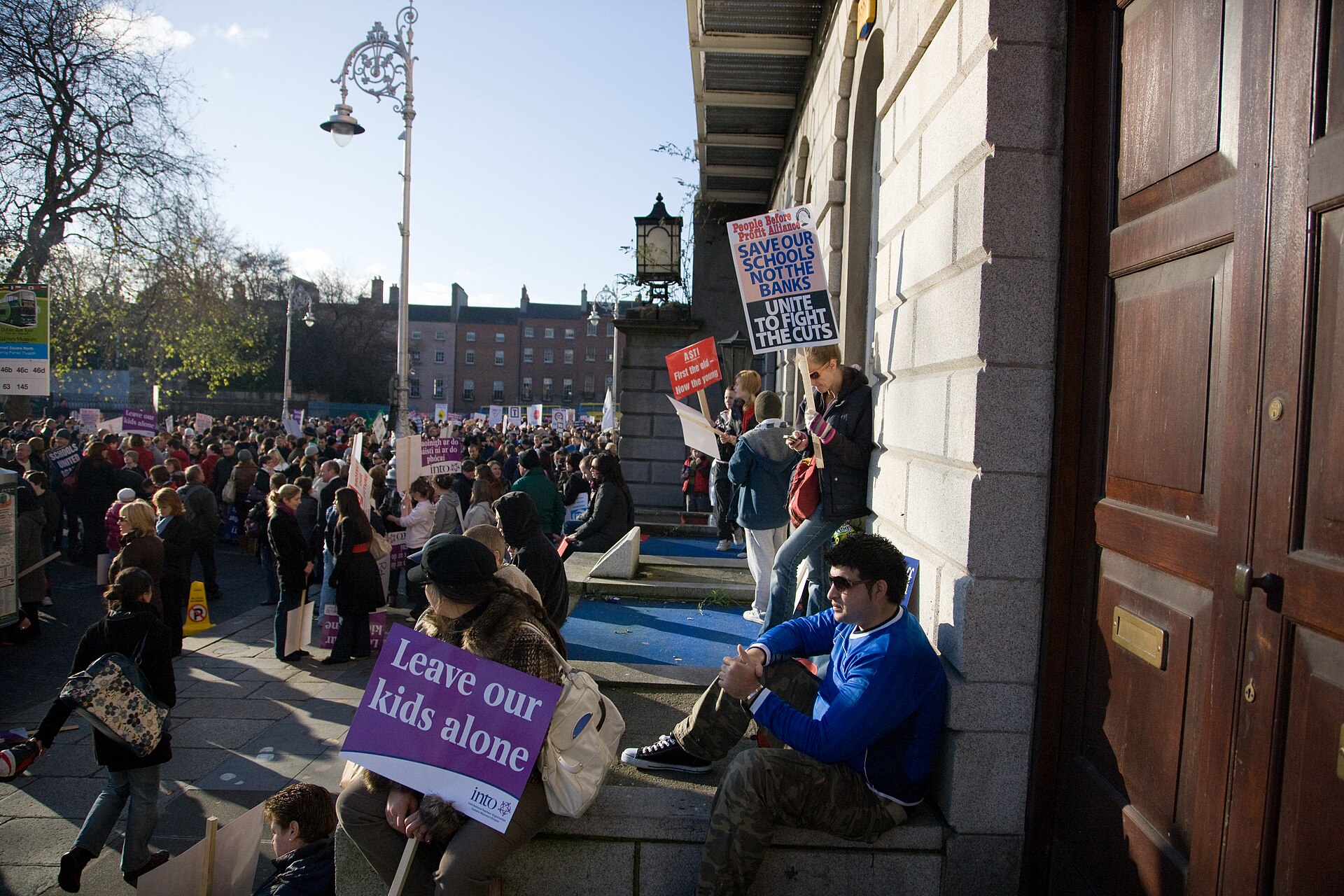
Reports from Mexico City describe participation and solidarity from educators, public-transport employees and other workers. The breadth of support reflects a basic point: shortages inside a public hospital affect patients and employees together. A worker confronting long shifts without adequate materials cannot fix that problem through individual effort alone.

The institute disputes claims that patients are being abandoned
IMSS management has stressed that facilities continue to attend patients and that the October 14 consultation is the route for members to decide their position on the proposed increase. The institution has asked demonstrators to keep ambulance and emergency access open. It is important to distinguish an industrial protest and traffic disruption from an independently verified shutdown of health services.
That response does not settle the workers' separate complaints about medical supplies or staffing. A public assessment of those demands requires hospital-level evidence: whether medicines are available when prescribed, whether vacancies are filled, how shifts are staffed, and how long patients wait for specialist treatment.
Who bears the cost of an underfunded system?
The political-economic question is whether the state will meet growing health needs by expanding public capacity or by asking employees and patients to absorb strain through longer workdays, delays and extra personal expense. The protesters' proposed higher health budget, including a target of at least 7% of GDP, is an advocacy demand rather than an enacted government commitment.
The pension issue is equally consequential. Protesters are calling for a return to earlier retirement arrangements and rejecting reliance on individual Afore accounts. Pension rules determine how much financial risk workers carry after decades in hospitals and clinics, and they cannot be reduced to a footnote in a wage settlement.
The union consultation may clarify the fate of this year's pay proposal, but it cannot by itself resolve the larger questions of drug procurement, staffing and public investment. Those will remain measurable tests for IMSS management and policymakers after the march has left the avenues.
Reporting note: As of October 14, the result of the workers' salary consultation was not established in the sources used for this article. This story does not claim a vote outcome or a nationwide work stoppage.
Sources and photo credits
Lead photo: IMSS building in Mexico City, photographed September 2008 by Thelmadatter / Wikimedia Commons, public domain. Archival image, not a photograph of the October 2026 marches.


Comments