










ICE, Deport Criminal Migrants Melania and Musk

ICE is arresting immigrants who work, raise families and show up for immigration appointments. So here is a test for Donald Trump’s immigration politics: what happens when the people whose work histories raise visa questions are Melania Trump and Elon Musk?
The Associated Press obtained records showing that Melania was paid $20,056 for 10 modeling assignments in the United States between September 10 and October 15, 1996—before receiving authorization to work. She held a visitor visa during that period. Her work visa was issued on October 18. Those dates and payments were documented in accounting ledgers, contracts and agency records, not invented for a campaign attack.
That matters because Trump has built an entire politics around treating unauthorized immigrant labor as a threat worthy of raids, detention and removal. The same conduct, when it appears in the early career of a future first lady, becomes something the political establishment would rather stop discussing.

Musk’s Zip2 years raise the same question
The Washington Post reported in October 2024 that Musk began building the company later known as Zip2 in 1995 after deciding not to enroll in the Stanford graduate program associated with his student status. Former associates, court records and company documents formed the basis of the investigation. The Post reported that the work was not authorized by the visa status he had at the time.
The paper obtained a 1996 investment agreement giving Musk, his brother Kimbal and another associate 45 days to secure lawful work status. Former Zip2 board member Derek Proudian recalled the investors’ concern in stark terms: “We don’t want our founder being deported.”
A 2005 email cited by the Post also recorded Musk explaining that he applied to Stanford partly because he had “no legal right to stay in the country.” The company survived its immigration problem and was later sold for roughly $300 million. A founder with access to investors and lawyers got time and resources that an ordinary employee facing an ICE arrest may never receive.
The enforcement system has a class divide
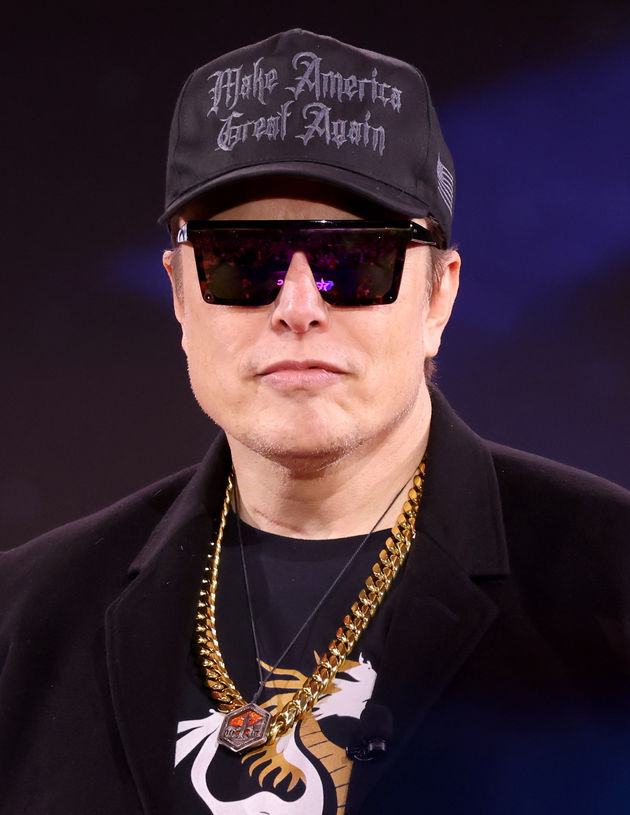
Reuters reported on September 14, 2026, that ICE arrests had climbed to nearly 51,000 in August. People with criminal convictions accounted for less than a quarter of arrests in July, according to government records analyzed in that investigation. The slogan about targeting dangerous criminals bears little resemblance to an arrest system sweeping up people without convictions or final removal orders.
Immigrants can be arrested after routine appointments, at workplaces and during traffic stops. The question raised by the Melania and Musk reporting is not difficult: if unauthorized work is enough to make an immigrant an enemy of the state, why do the powerful get to build fortunes and careers while other workers are detained?
Melania and Musk are now naturalized U.S. citizens. That means ICE cannot simply deport either of them over an allegation about work in the 1990s. It does not erase the documented work histories or make the administration’s double standard disappear.
Trump should answer the question his own crackdown has created: would the people who became his wife and his billionaire political ally have been treated like the immigrant workers his government targets today? Or does the word “criminal” change meaning once someone has enough money and powerful friends?
The public deserves one standard for immigration enforcement—not a hard one for the worker and a forgiving one for the wealthy.
Sources and image credits
Lead photograph: Donald Trump and Melania Trump at the White House, November 2025. Photo: Emily J. Higgins / White House. Additional Melania portrait: Régine Mahaux / White House.


Comments